
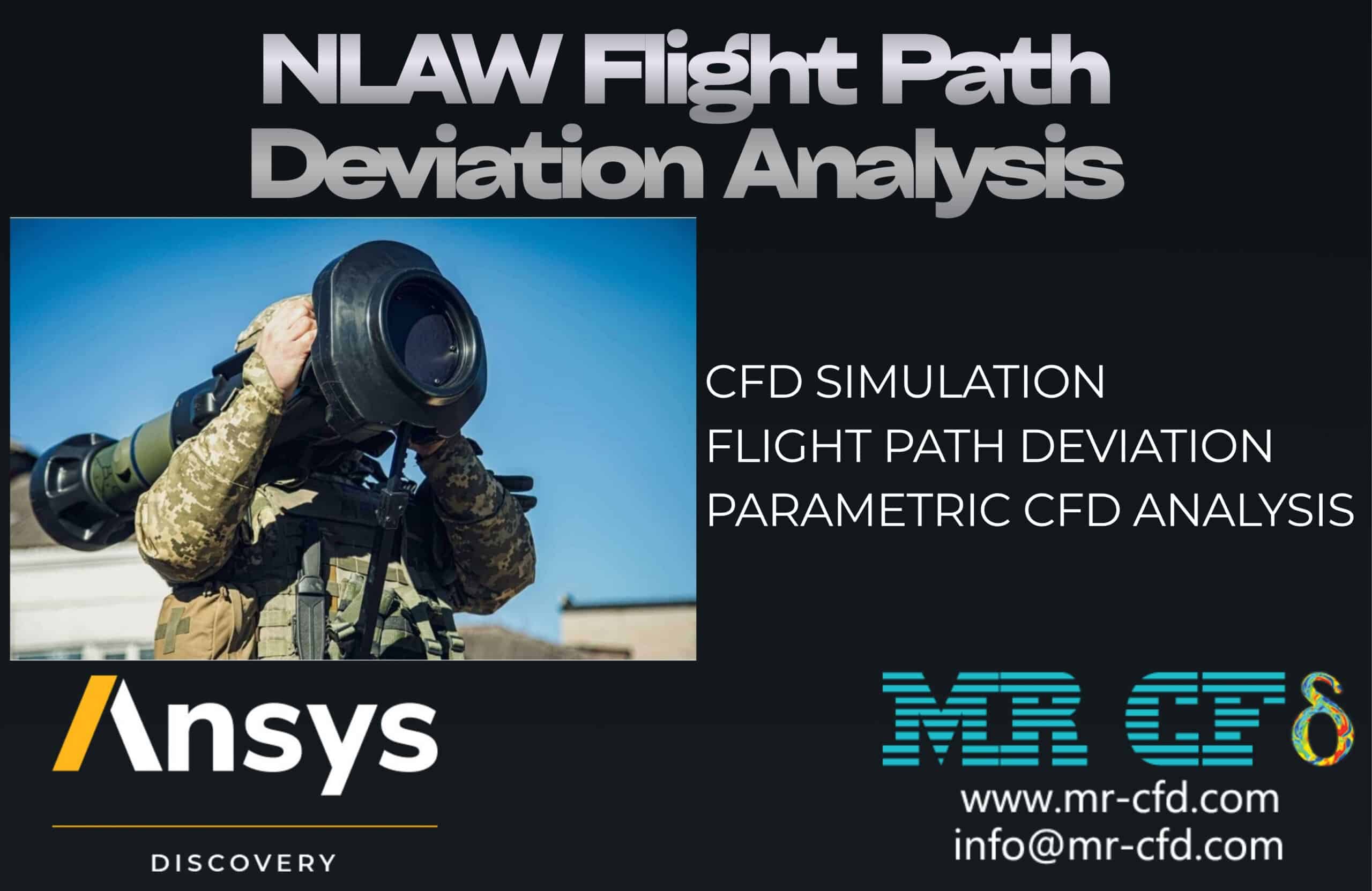
ANSYS Discovery: NLAW Flight Path Deviation Analysis, CFD Simulation
$1,350.00 $810.00 HPC
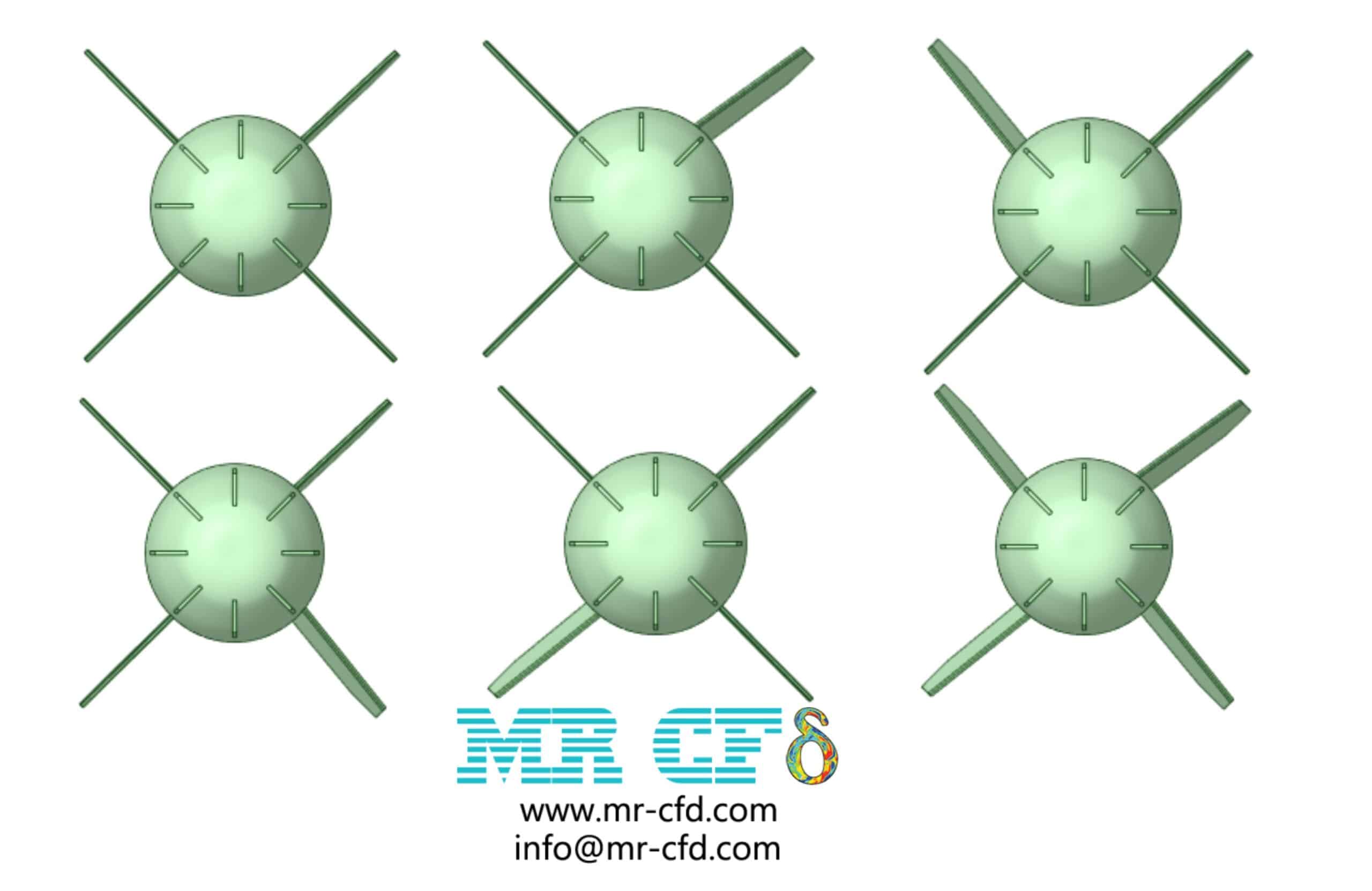
- Parametric CFD analysis of NLAW fin angles (1°-25°).
- 3D flight path deviation from the straight-line trajectory for each fin incidence angle.
- Pitch and Yaw deviation of NLAW missile.
To Order Your Project or benefit from a CFD consultation, contact our experts via email (info@mr-cfd.com), online support tab, or WhatsApp at +44 7443 197273.
There are some Free Products to check our service quality.
If you want the training video in another language instead of English, ask it via info@mr-cfd.com after you buy the product.
Description
Project Overview
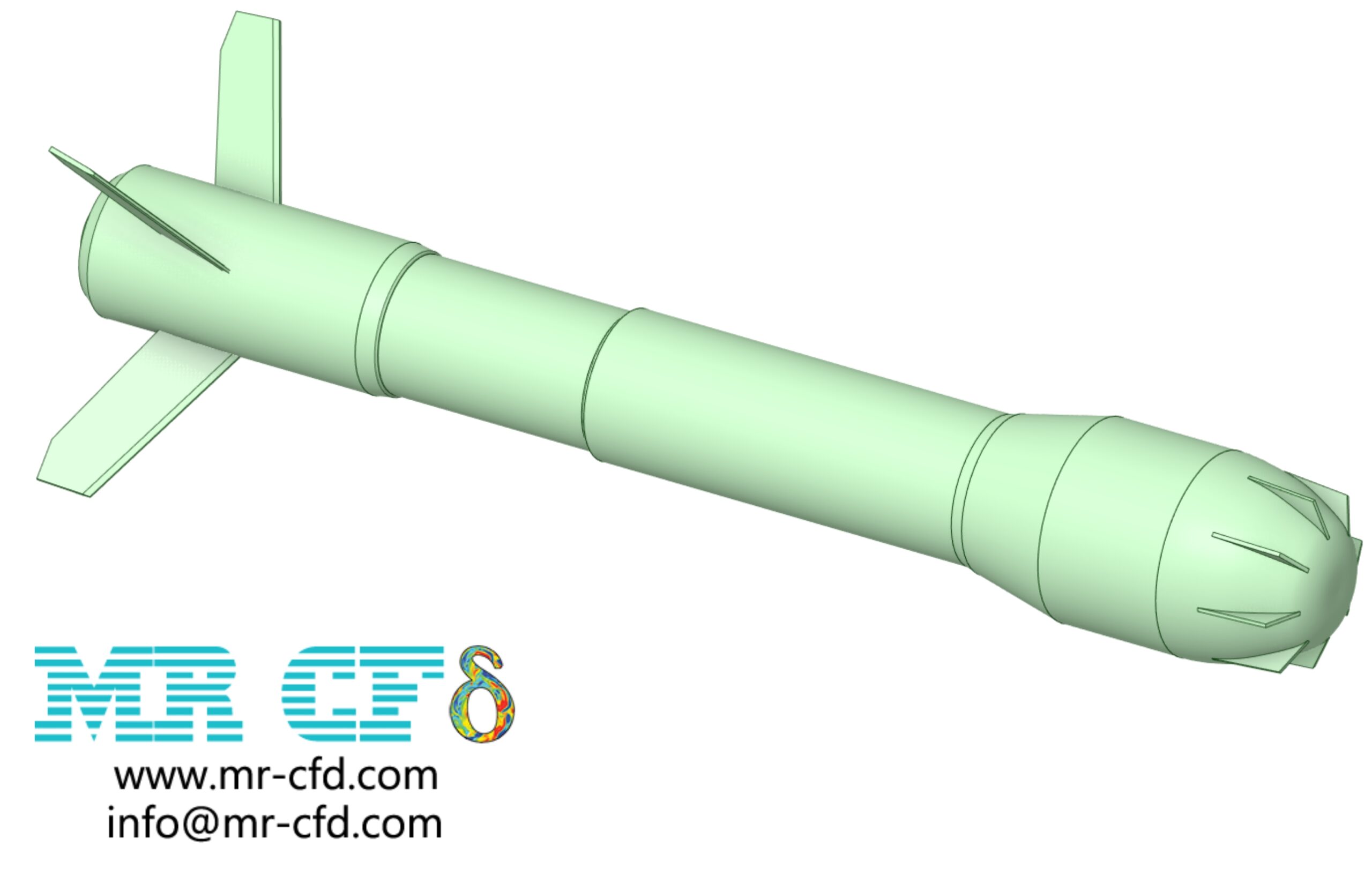
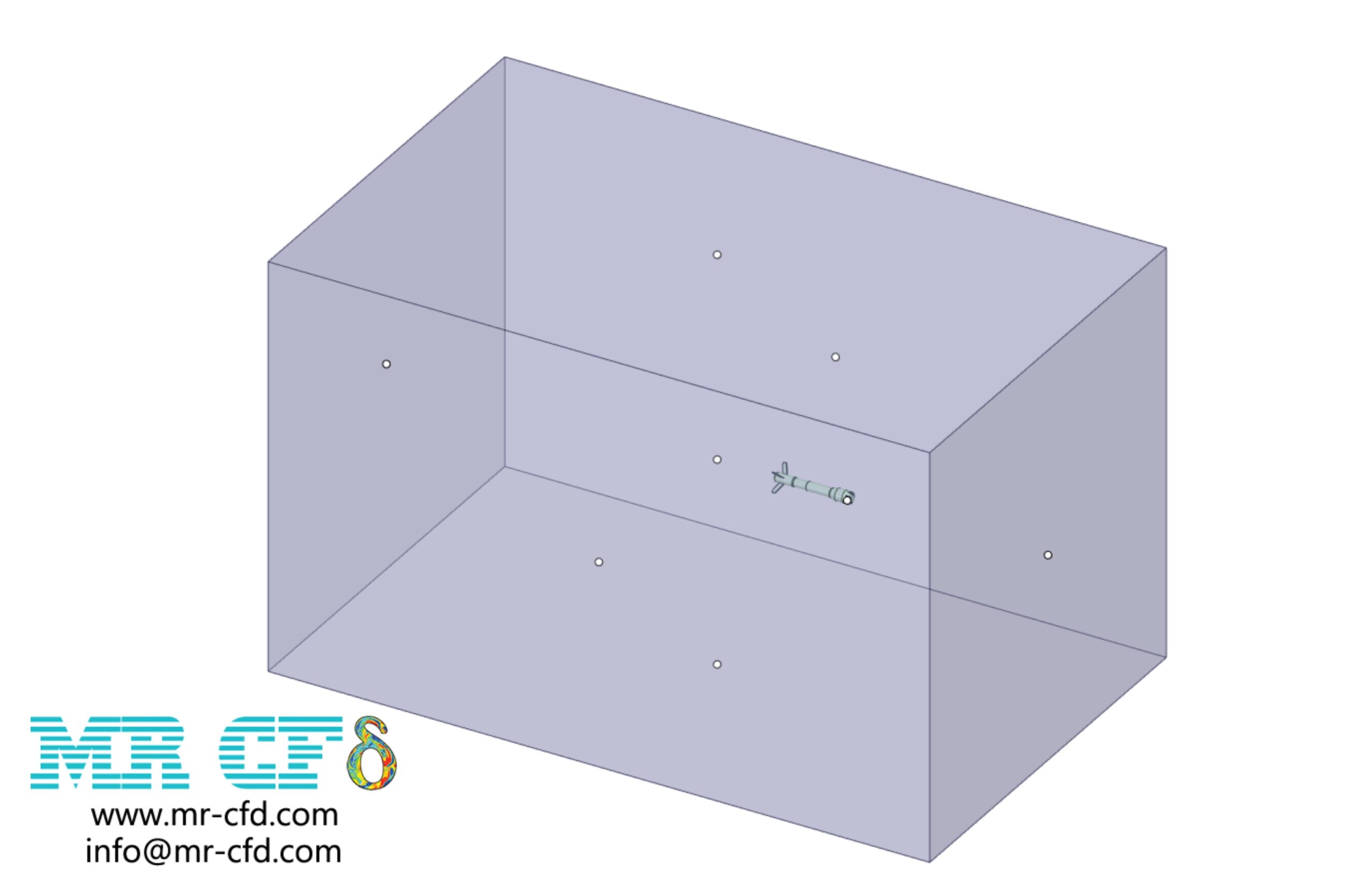
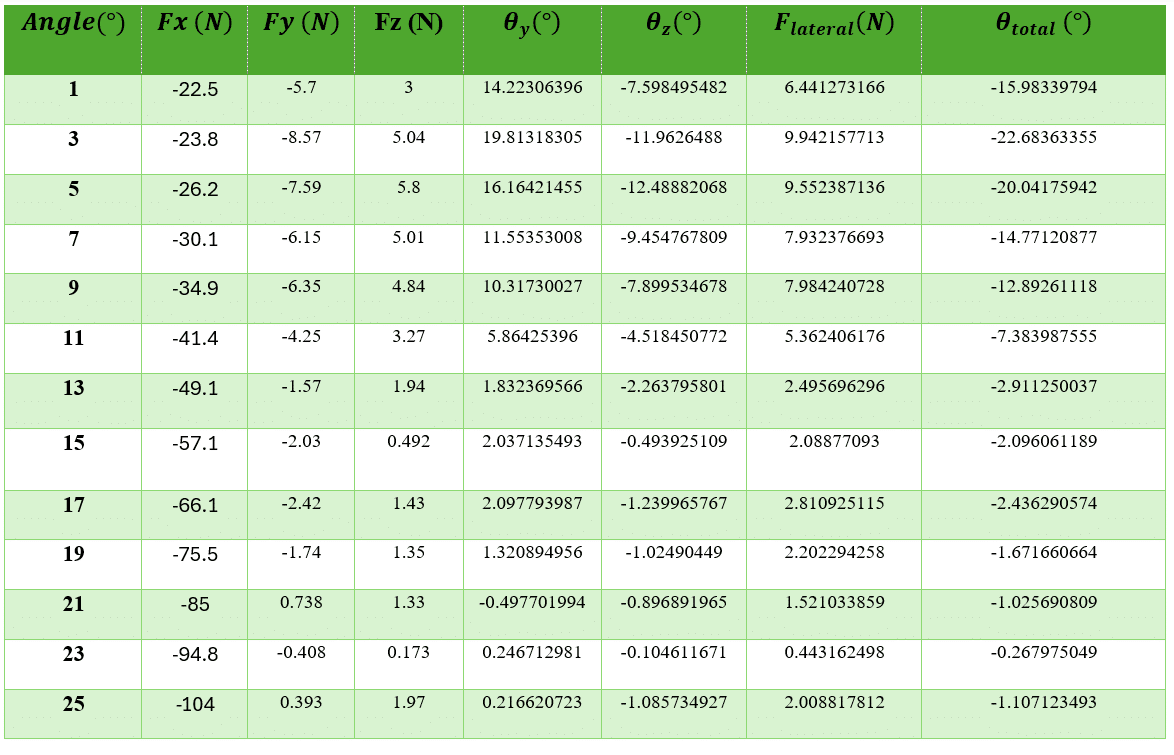
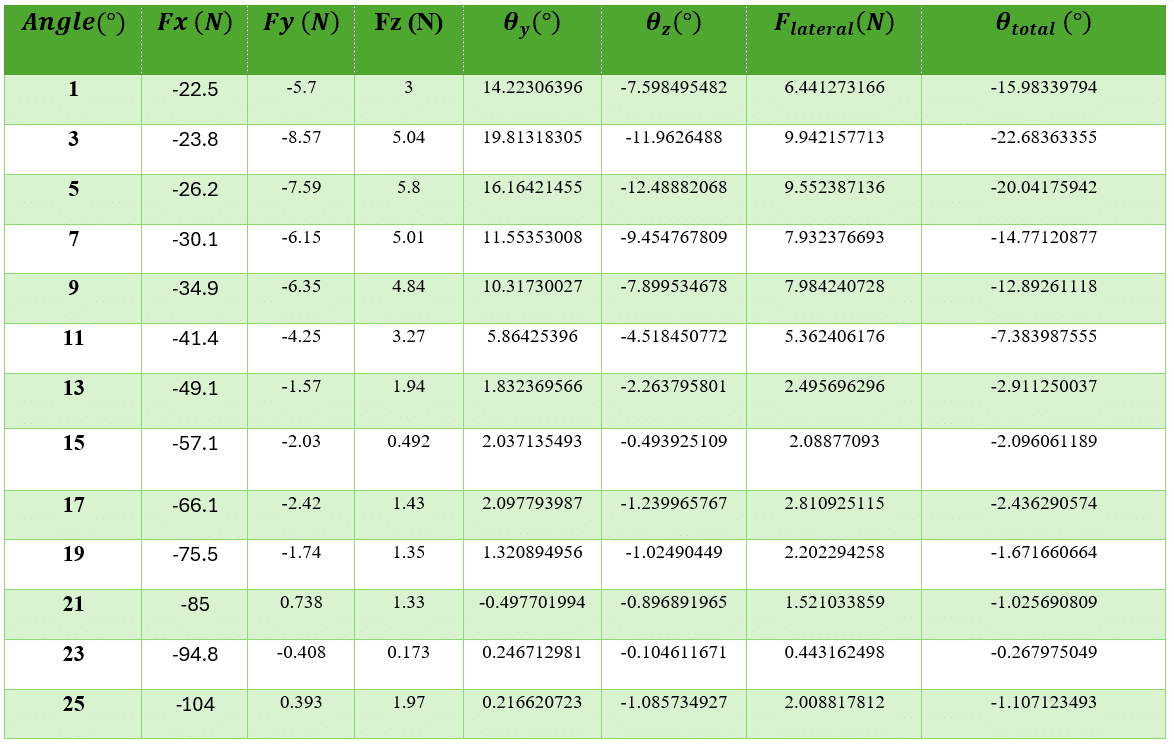
NLAW Flight Path Analysis via Parametric CFD Simulation in ANSYS Discovery, This project predicts NLAW missile trajectory by varying fin angles (1°-25°) with the speed of 100 m/s, analyzing aerodynamic forces and 2-second flight path deviation through steady-state CFD simulations and numerical trajectory integration.
This analysis measures yaw deviation (θy) in the XY plane and pitch deviation (θz) in the XZ plane relative to the missile’s longitudinal axis (X-axis). The total deviation angle (θtotal) , providing the 3D flight path deviation from the straight-line trajectory for each fin incidence angle.
Objectives
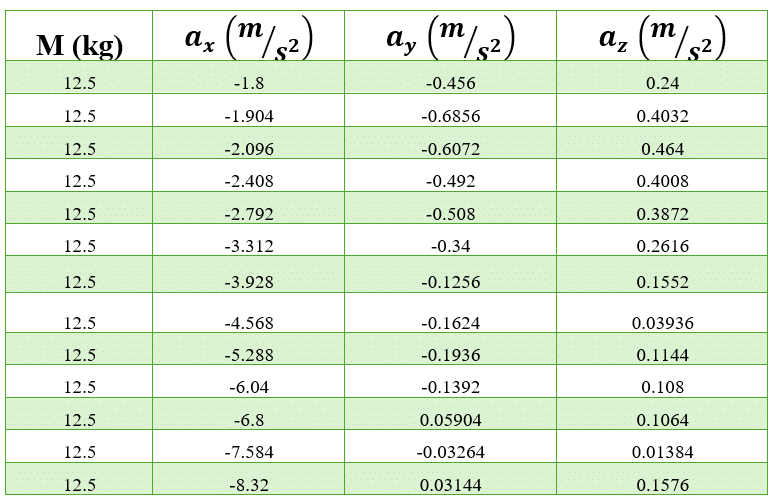
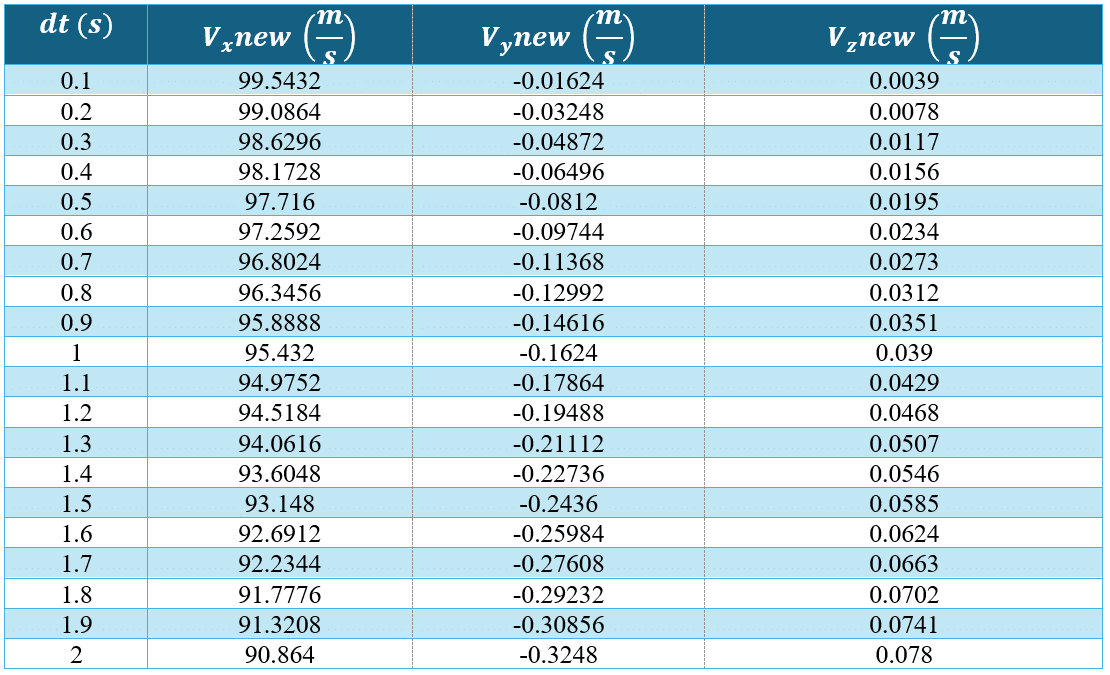
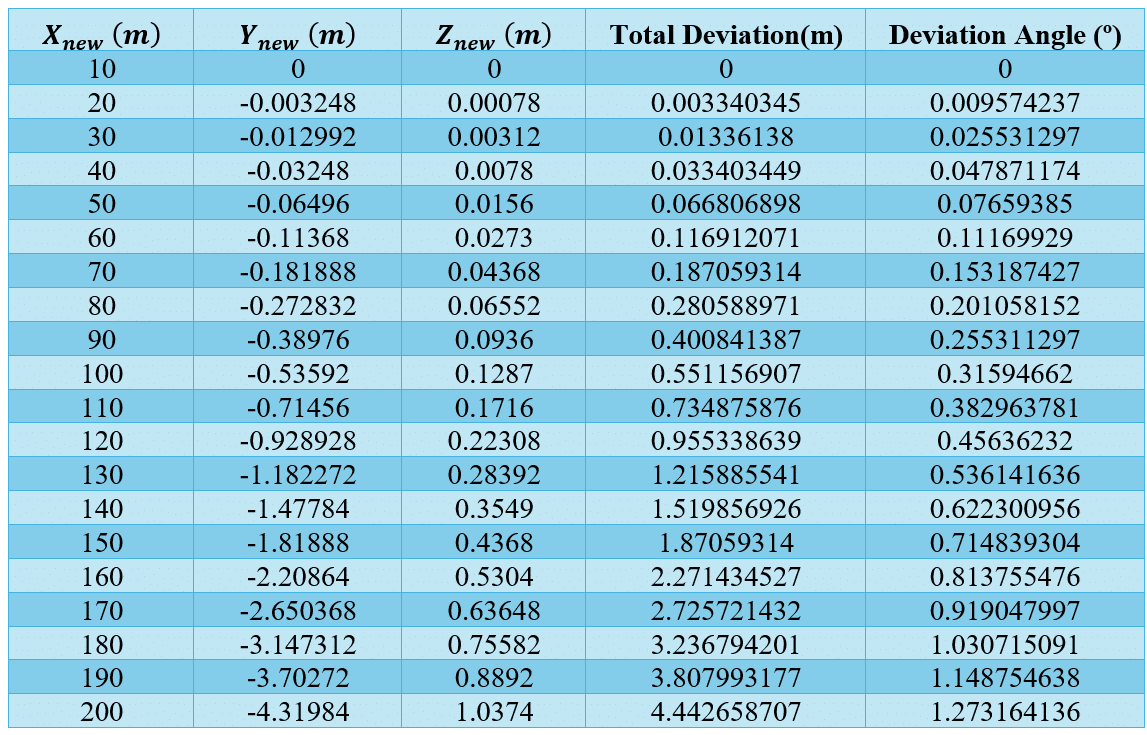
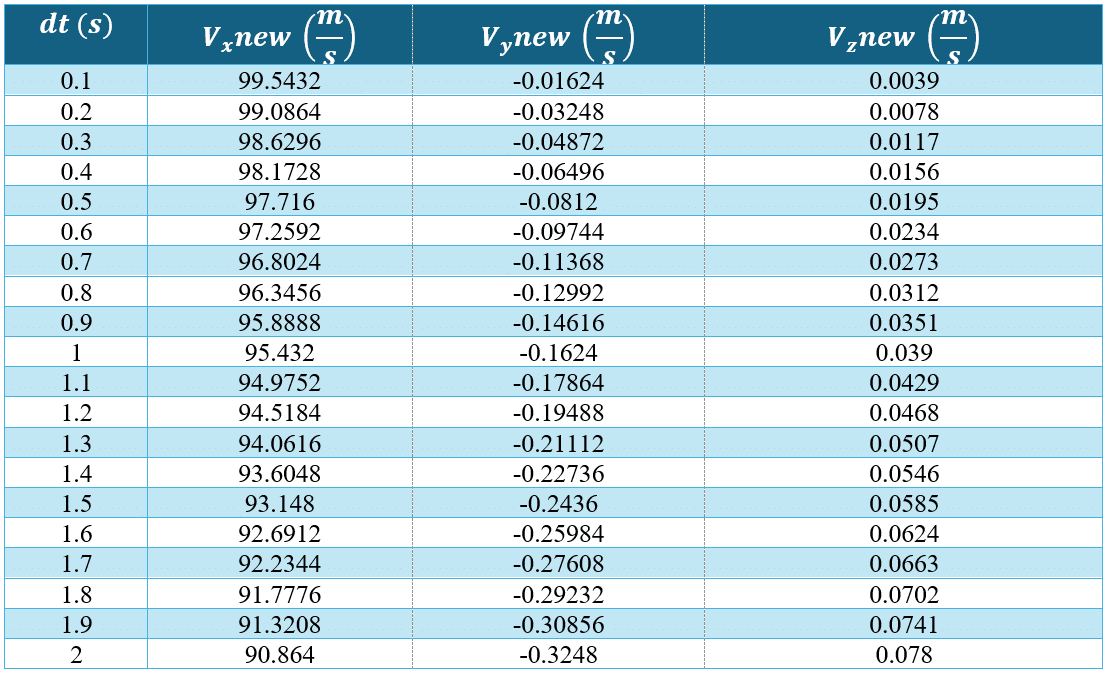
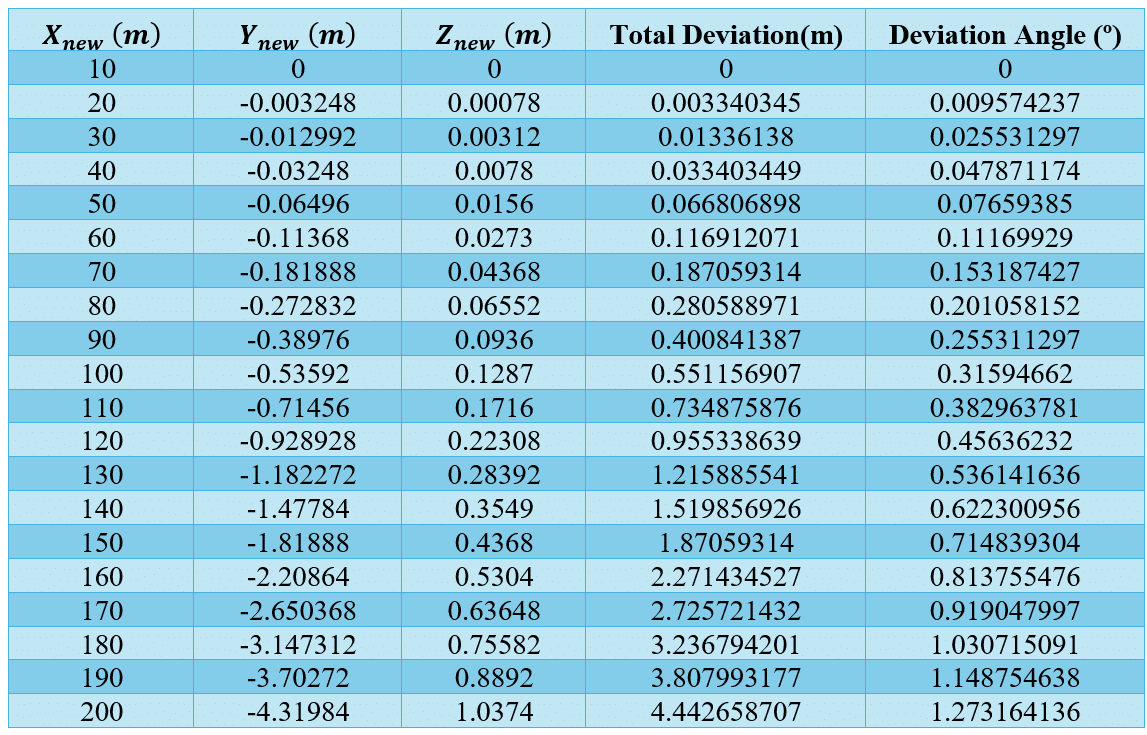
After the CFD force analysis described above, this project calculates accelerations For NLAW using Newton’s second law (a = F/m) from aerodynamic forces obtained at each fin angle. Using 15° incidence as a representative example, velocities are iteratively computed for various time steps (dt = 0.1s) via Euler integration: V_new = V_old + a × dt. Positions are then determined using X_new = X_old + V_old × dt, Y_new = Y_old + V_y_old × dt, and Z_new = Z_old + V_z_old × dt, providing precise trajectory prediction and lateral deviation quantification throughout the 2-second simulation period.
Results and Discussion
The CFD simulations demonstrate a clear trend: drag force steadily increases from 22.5N at 1° to 104N at 25° fin incidence. Lateral forces (Fy, Fz) are highest at low angles, causing maximum trajectory deviation of 6.93m at 3°, but progressively cancel out toward higher angles.
15° case study (t=2s) shows controlled deceleration with minimal drift (Y=-4.32m, Z=+1.04m), confirming the 11°-23° operating window balances roll stability and trajectory accuracy for effective Predicted Line of Sight guidance.
You must be logged in to post a review.
 Talk On WhatsApp
 Talk On WeChat

Reviews
There are no reviews yet.