
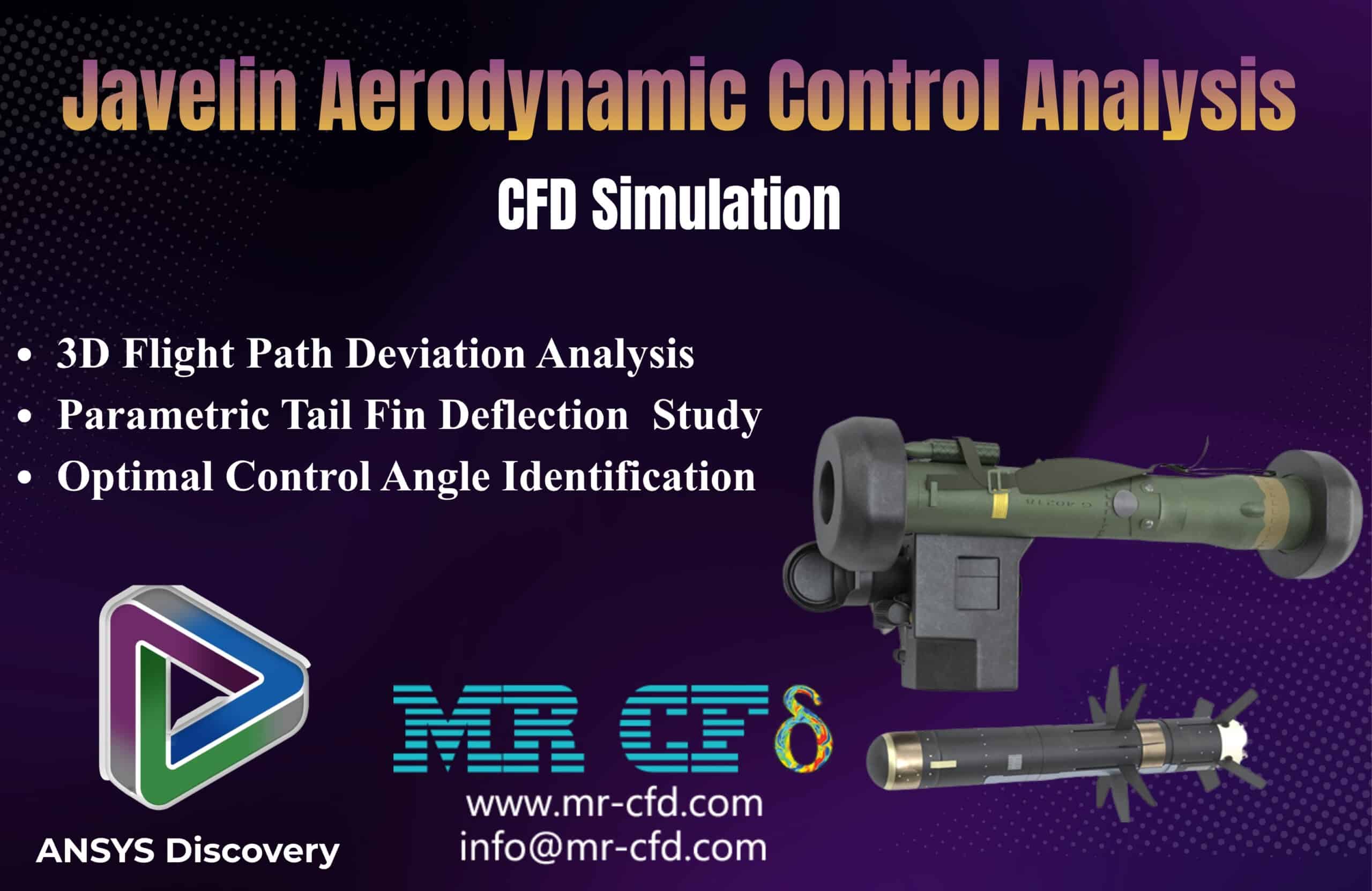
ANSYS Discovery: Javelin Aerodynamic Control Analysis, CFD Simulation
$1,350.00 $810.00 HPC
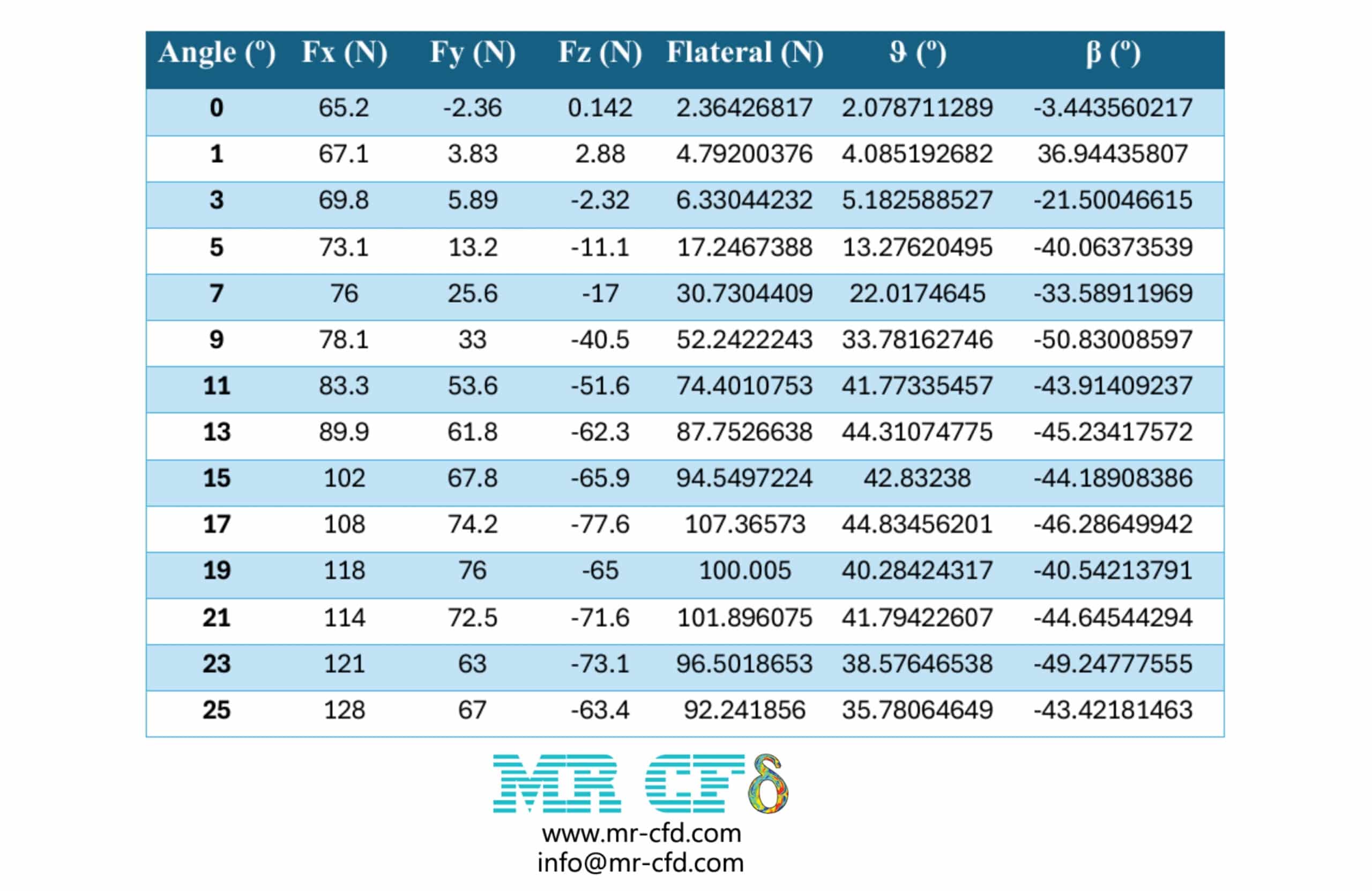
- Flight path deviation angles (θ and φ) calculation to assess Javelin missile maneuverability in 3D space.
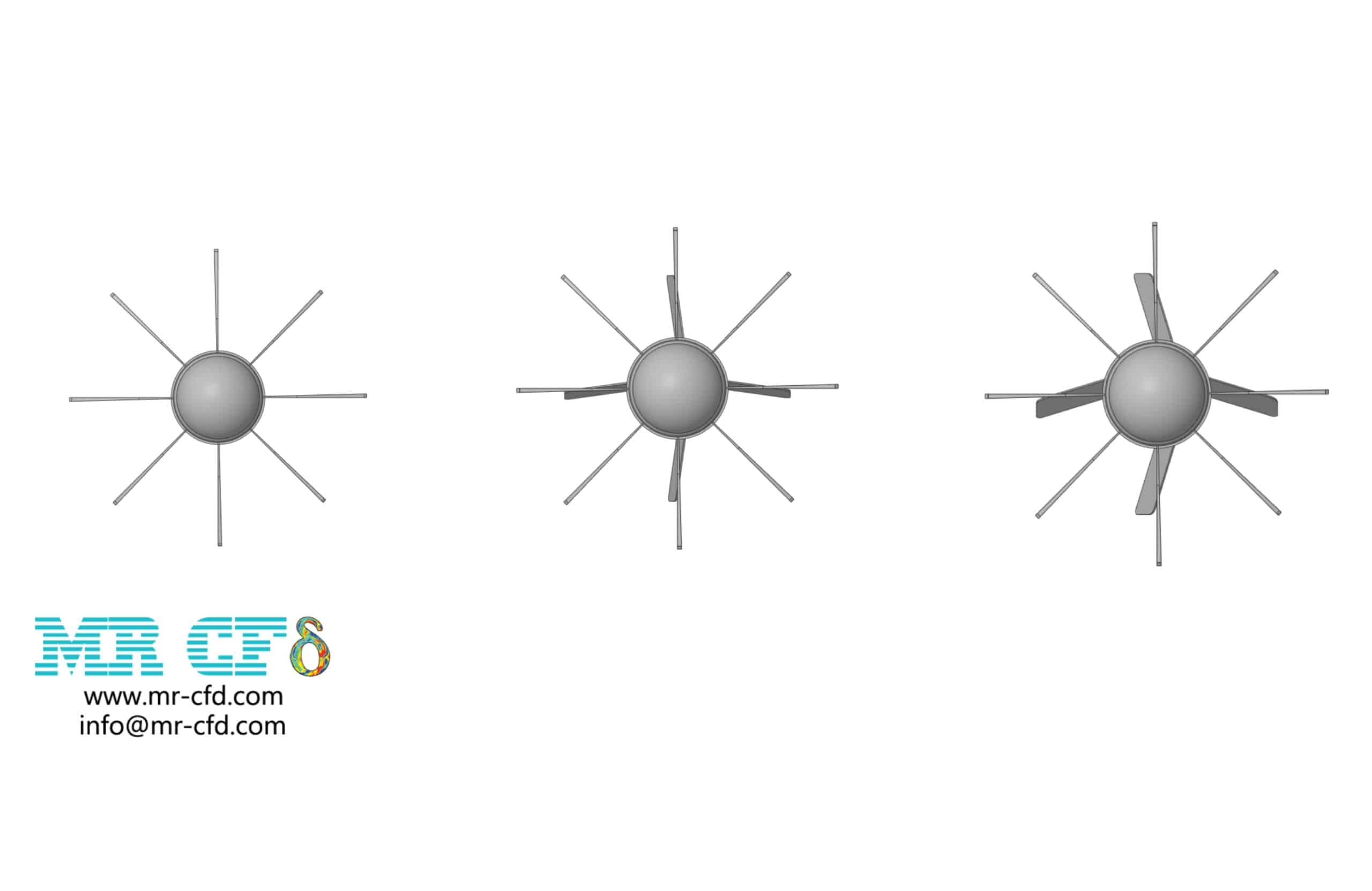
- Parametric CFD analysis of Javelin tail fin deflection (0°–25°) via ANSYS Discovery History Tracking.
- Optimal control window identification based on force efficiency, drag penalty, and directional stability.
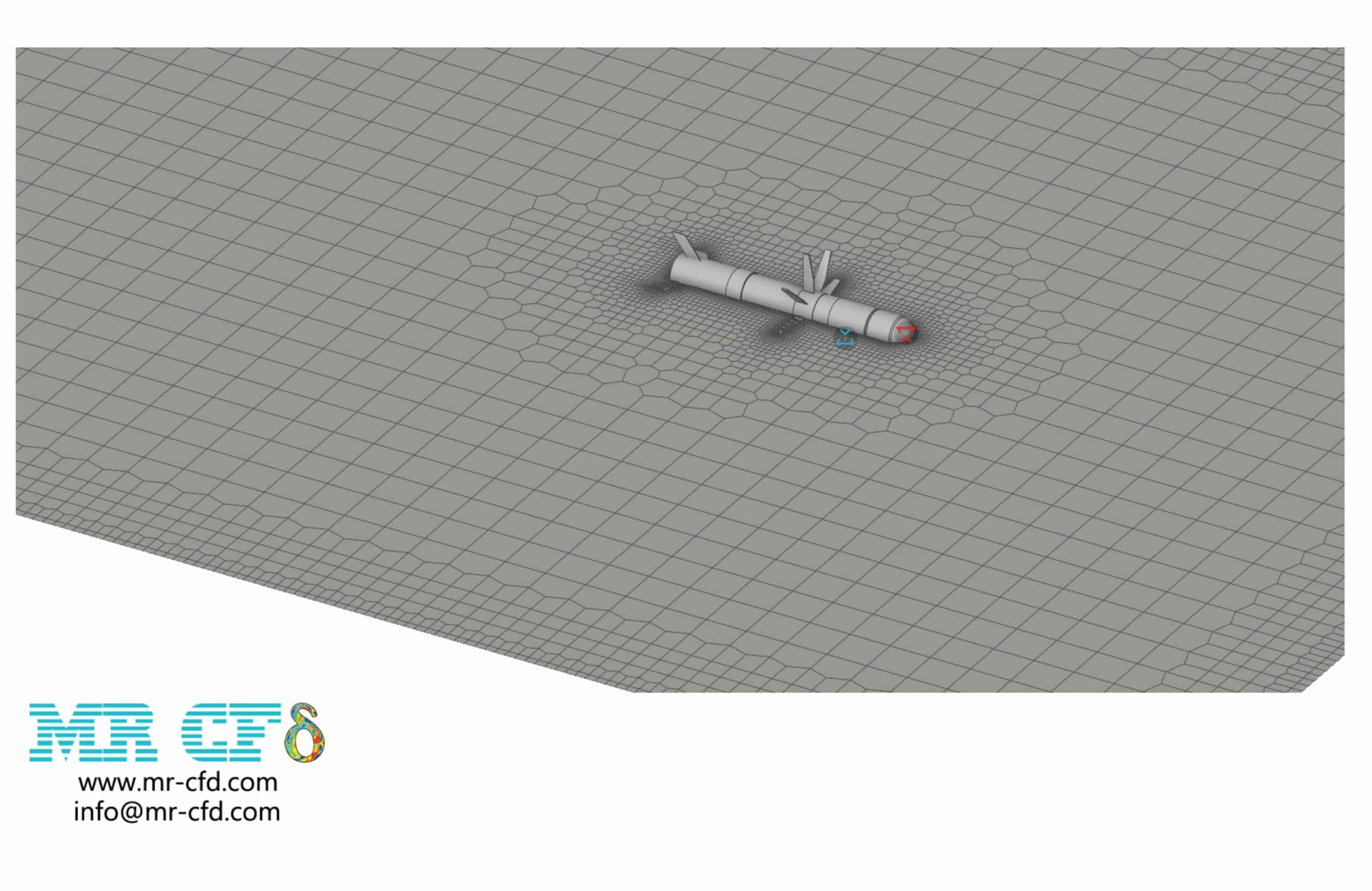
- 3D force vector extraction (Fx, Fy, Fz) and lateral force evaluation across all configurations without manual remeshing.
To Order Your Project or benefit from a CFD consultation, contact our experts via email (info@mr-cfd.com), online support tab, or WhatsApp at +44 7443 197273.
There are some Free Products to check our service quality.
If you want the training video in another language instead of English, ask it via info@mr-cfd.com after you buy the product.
Description
Project Description
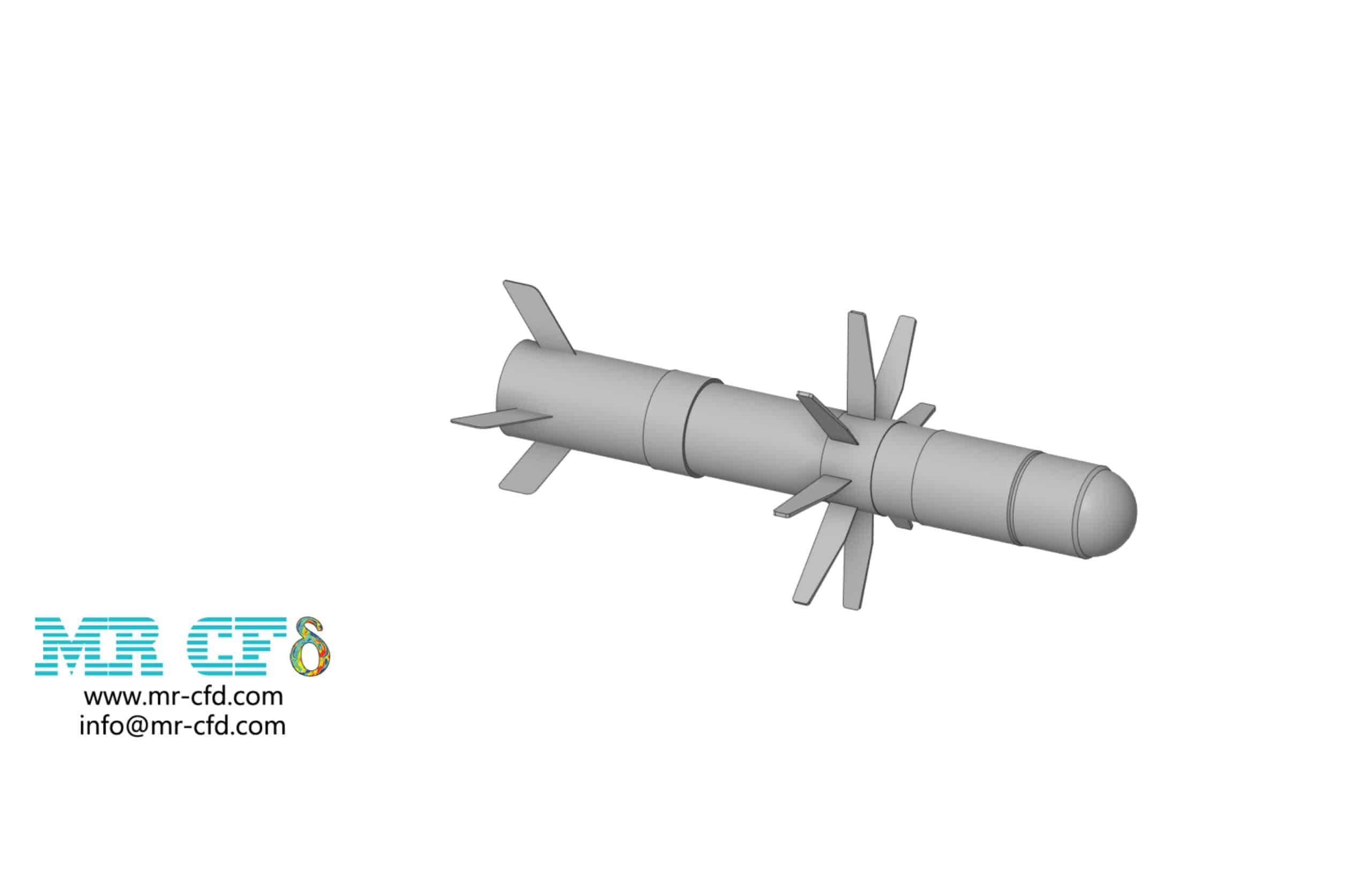
This project investigates the aerodynamic behavior of the Javelin missile’s tail fin control system using ANSYS Discovery CFD simulation. The study focuses on how tail fin deflection angles influence the three-dimensional force distribution on the missile body and the resulting flight path deviation.
Objectives
This project aims to perform a parametric CFD study on the Javelin missile tail control fins by varying the deflection angle from 0° to 25° and extracting the three-dimensional force components at cruise velocity. The resultant lateral force, missile deflection angle (θ), and directional angle (φ) are then calculated to evaluate how fin deflection translates into actual flight path deviation. Ultimately, the study seeks to identify the aerodynamic stall onset point and define the optimal deflection range that delivers maximum control authority without loss of aerodynamic stability.
Results and Discussion
The parametric CFD simulation revealed three distinct behavioral phases as the tail fin deflection angle increased from 0° to 25°. In the linear phase (3°–11°), the lateral control force grew rapidly at a rate of approximately 4–6 N per degree of fin deflection, indicating fully attached flow and highly efficient aerodynamic control. Beyond 11°, the growth rate slowed significantly, marking the onset of the saturation phase where θ peaked at 44.8° and Flateral reached its maximum of 107 N at 17°. Post-stall instability then emerged beyond 19°, where both parameters fluctuated unpredictably while drag nearly doubled from 65 N to 128 N. 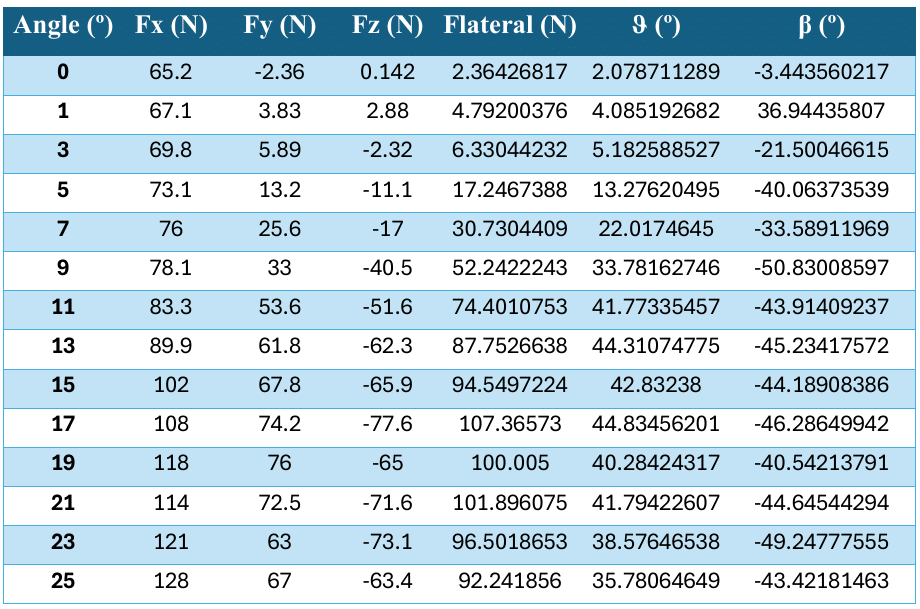
You must be logged in to post a review.

 Talk On WhatsApp
 Talk On WeChat

Reviews
There are no reviews yet.