
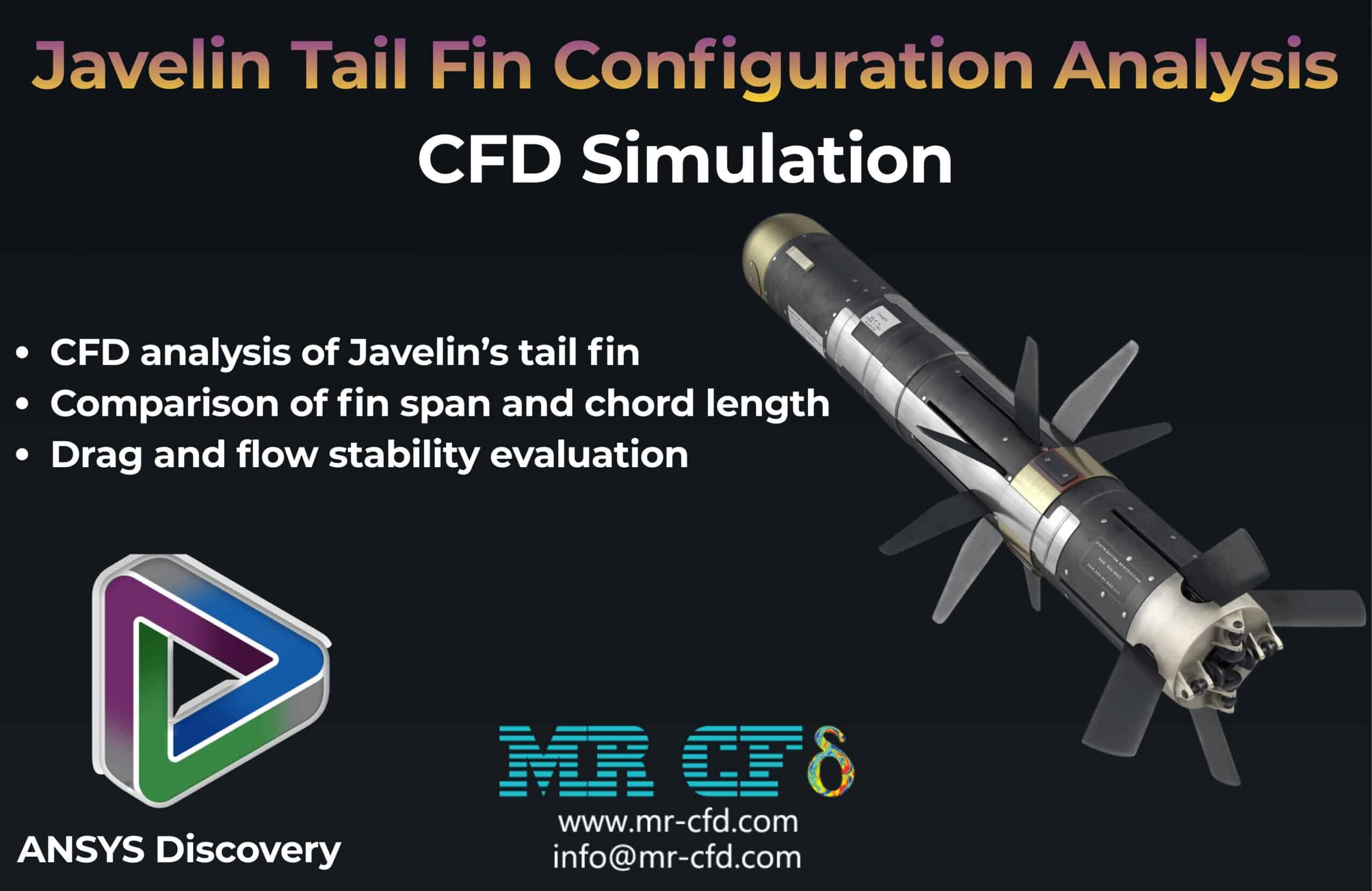
ANSYS Discovery: Javelin Tail Fin Configuration Analysis, CFD Simulation
$1,350.00 $810.00 HPC
- Parametric CFD analysis of Javelin missile tail fin count and geometry.
- Aerodynamic comparison of fin span and chord length of Javelin without manual remeshing.
- Javelin Instantaneous drag and flow stability evaluation across multiple fin configurations via History Tracking
To Order Your Project or benefit from a CFD consultation, contact our experts via email (info@mr-cfd.com), online support tab, or WhatsApp at +44 7443 197273.
There are some Free Products to check our service quality.
If you want the training video in another language instead of English, ask it via info@mr-cfd.com after you buy the product.
Description
Project Description
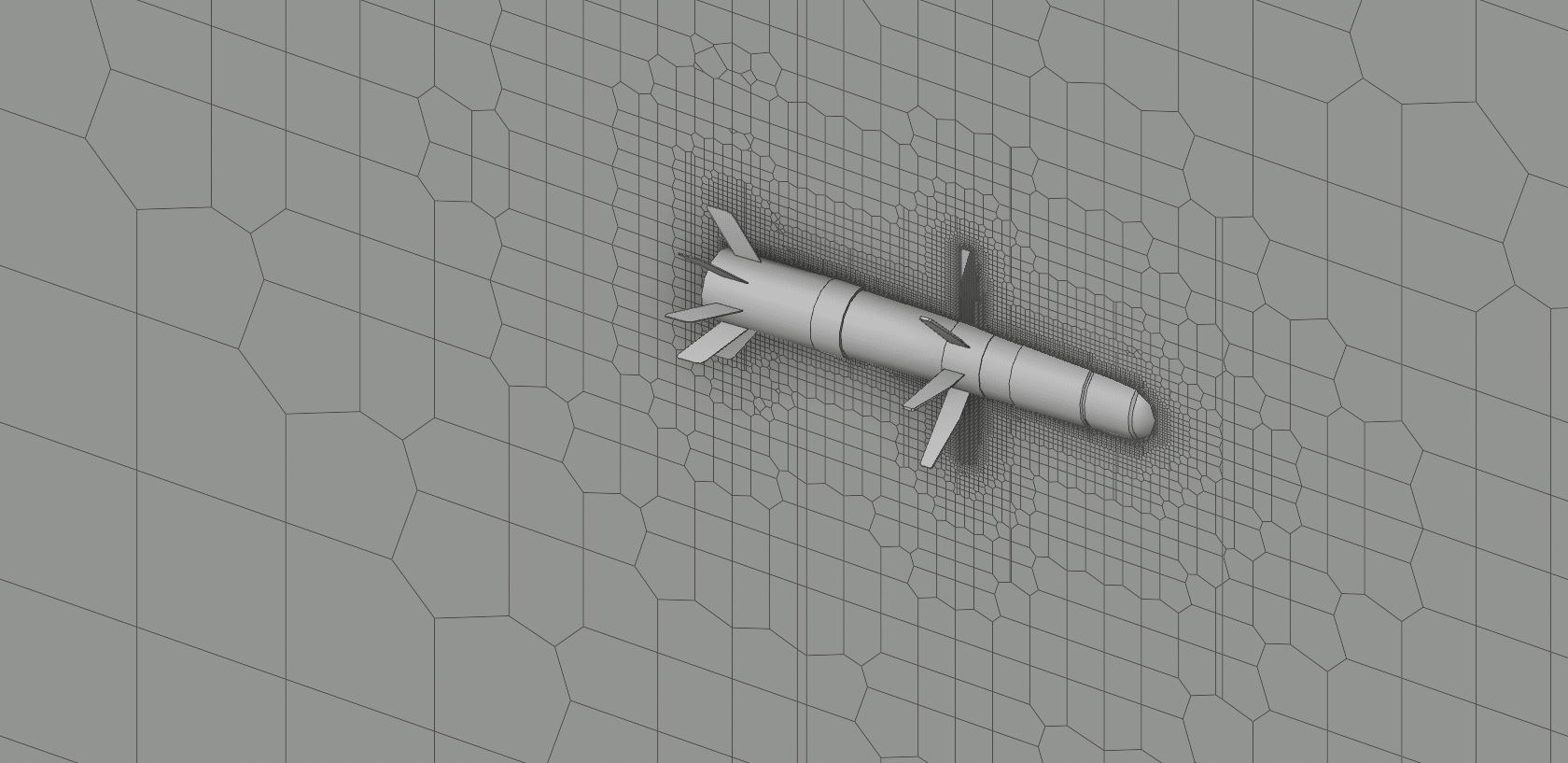
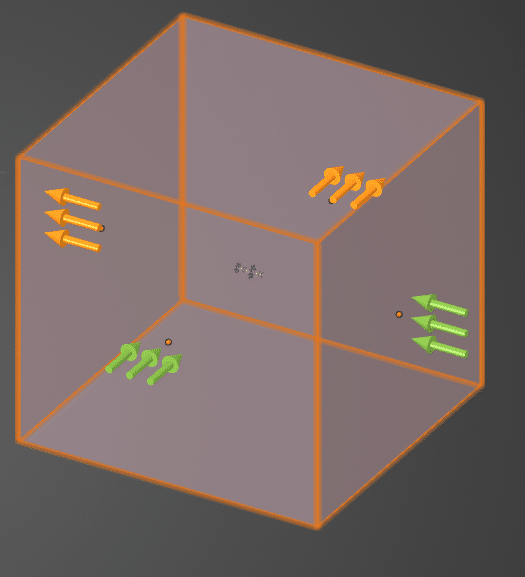
This project examines the aerodynamic characteristics of the Javelin missile tail fin assembly by systematically varying fin count and geometric dimensions within ANSYS Discovery’s real-time parametric CFD environment. Using History Tracking, key fin parameters including span, chord length, and number of fins are defined as live design variables, allowing instantaneous observation of their combined influence on drag, lift, and flow stability without manual solver interruption.
Objectives
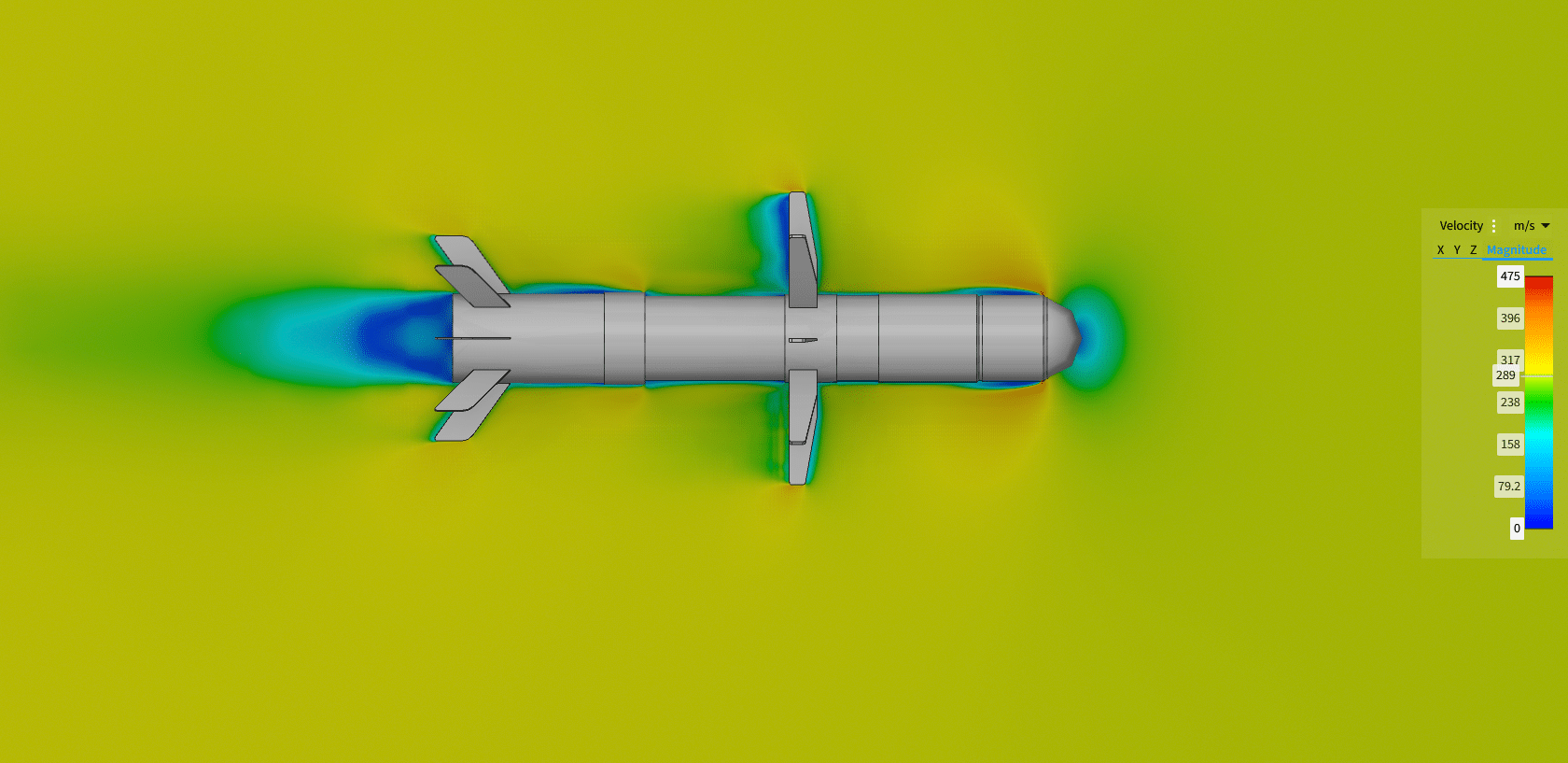
The goal of this project is to systematically investigate how tail fin configuration specifically fin count, span, and chord length affects the external aerodynamics of the Javelin missile by defining these variables as live parameters within ANSYS Discovery’s real-time simulation environment. Through continuous geometric variation, the study captures instantaneous changes in drag force, lateral flow behavior, and pressure distribution along the missile body, enabling a direct performance comparison across multiple fin arrangements without the overhead of conventional CFD preprocessing.
Results and Discussion
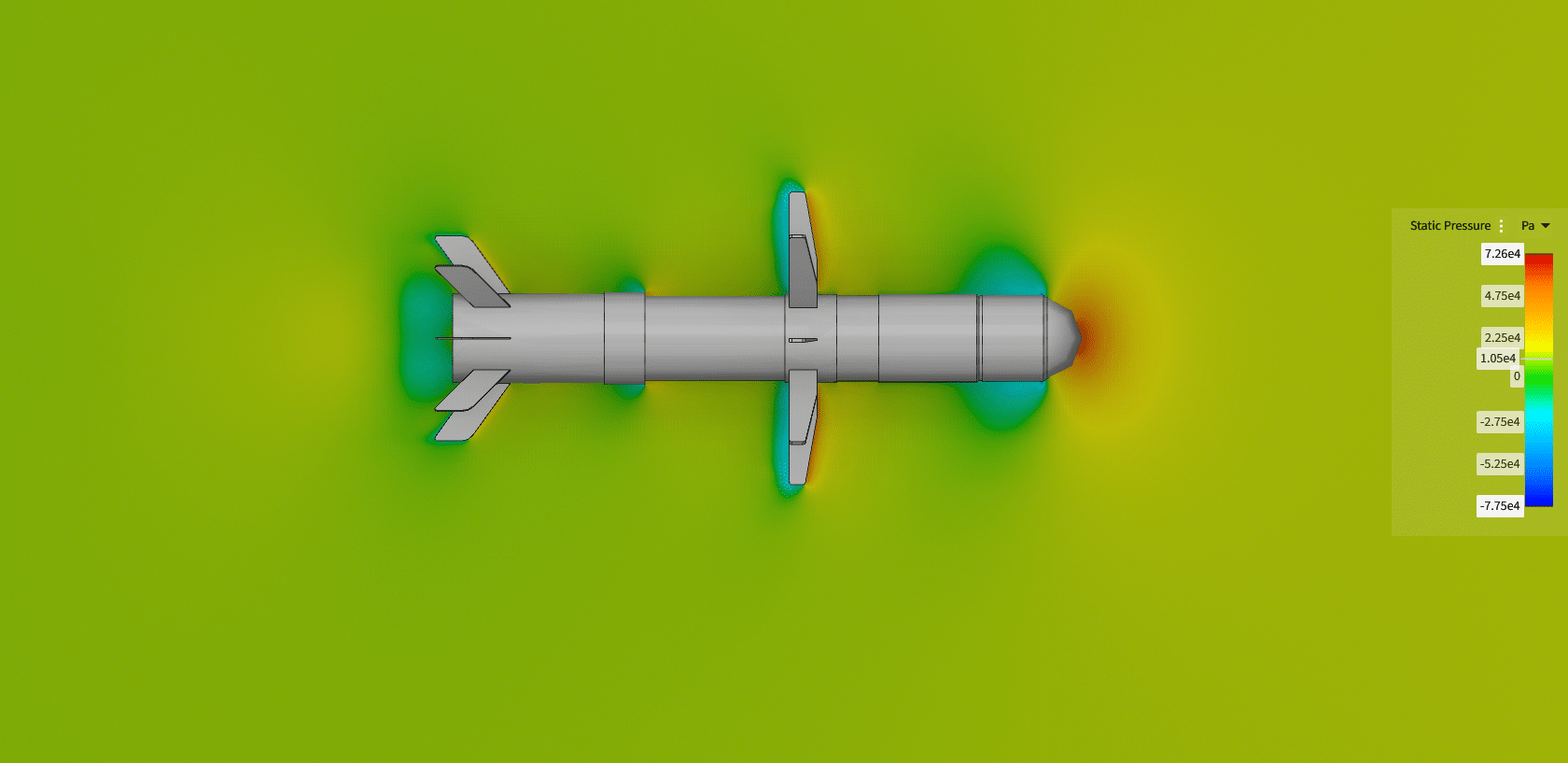
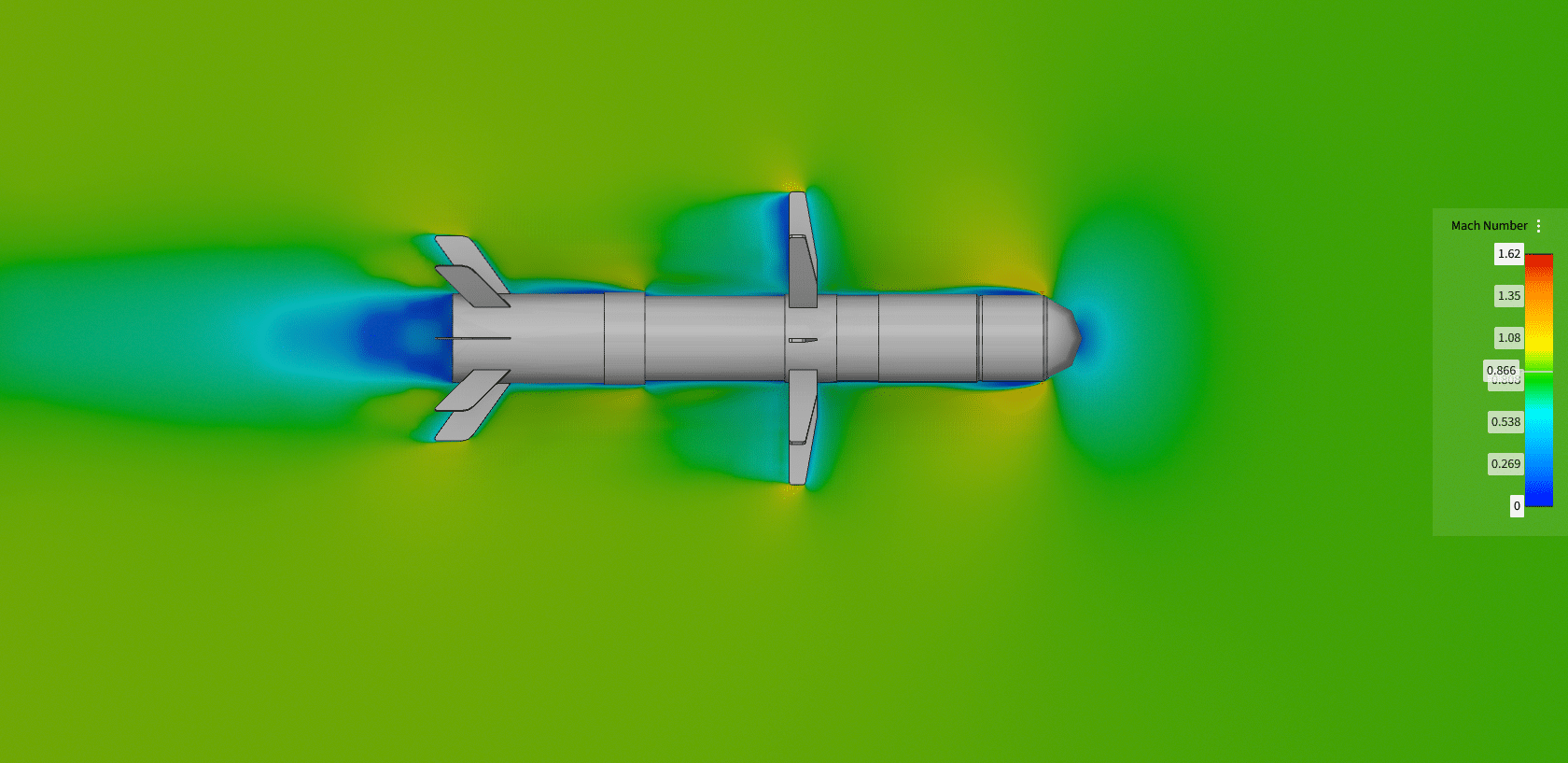
The CFD simulations in ANSYS Discovery demonstrated a clear relationship between tail fin configuration and the aerodynamic performance of the Javelin missile. Higher fin counts produced more symmetric pressure distribution and reduced wake instability, while larger individual fins introduced greater leading-edge drag but enhanced stabilizing moments at supersonic speeds. The parametric chord and span variations revealed an optimal mid-range configuration balancing drag minimization with sufficient aerodynamic stability, and the History Tracking workflow ensured consistent domain conditions across all design iterations, confirming Discovery’s effectiveness as a rapid fin configuration screening tool.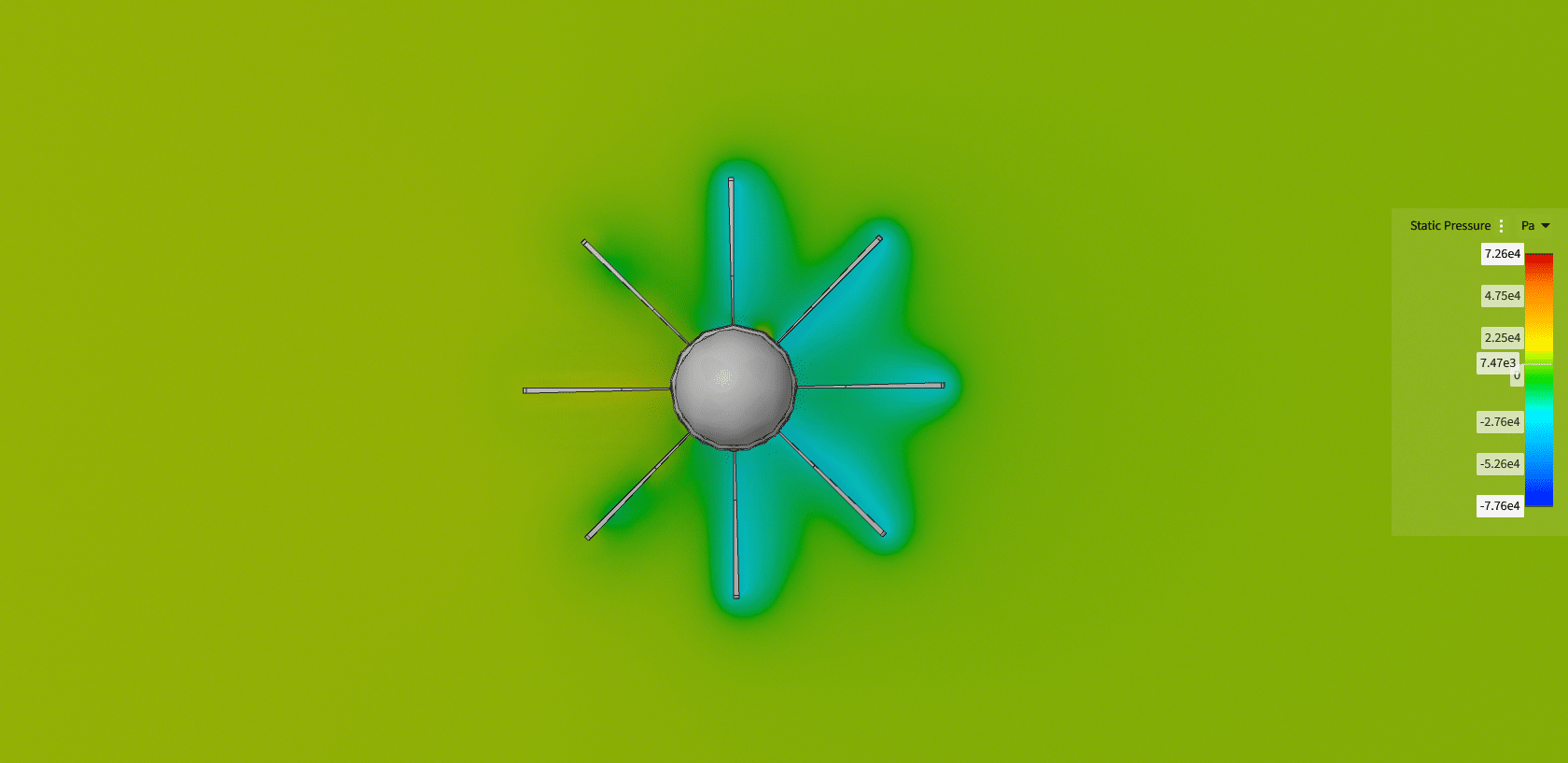
You must be logged in to post a review.
 Talk On WhatsApp
 Talk On WeChat

Reviews
There are no reviews yet.