
Projectile Cavitation (2D) CFD Simulation Using ANSYS Fluent
$120.00 $48.00 HPC
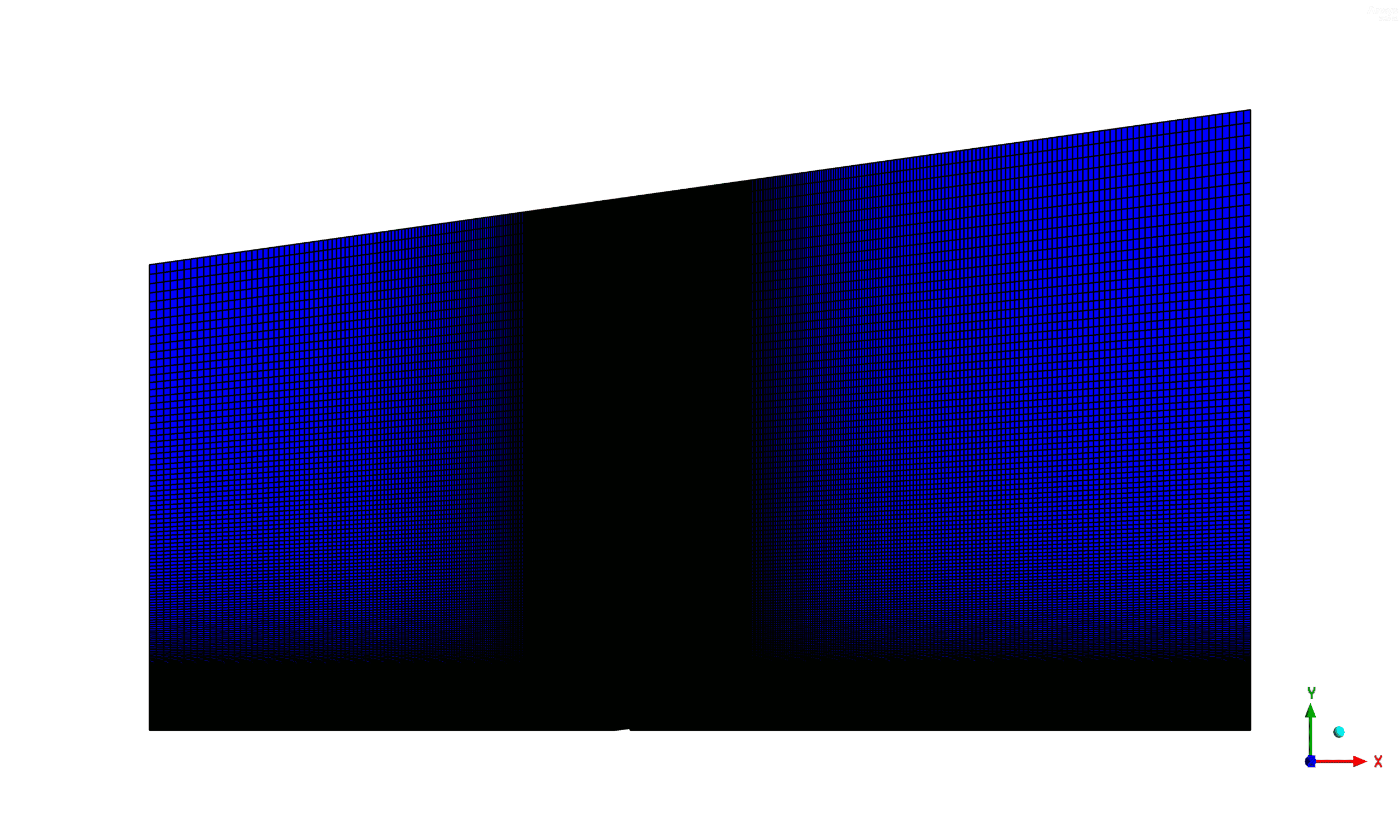
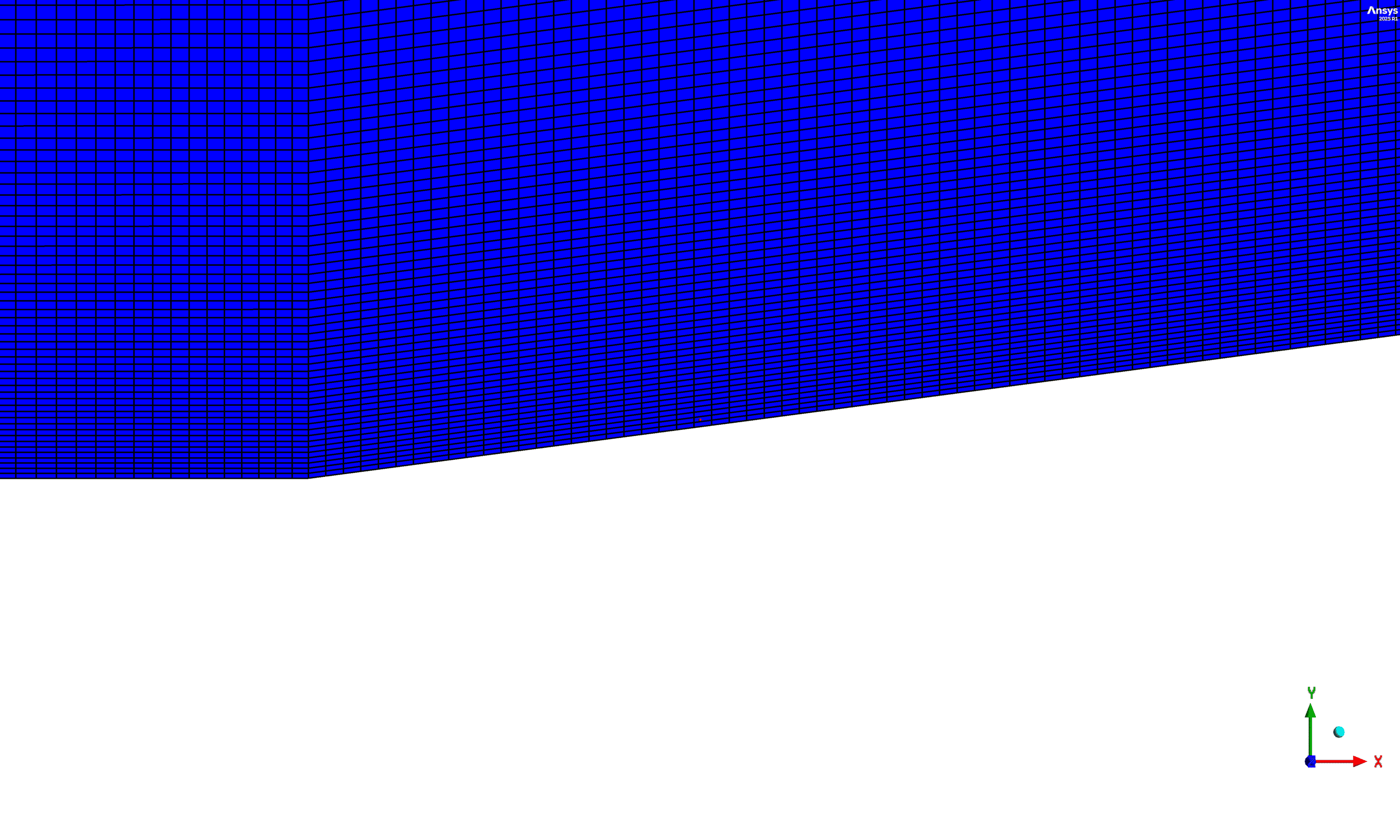
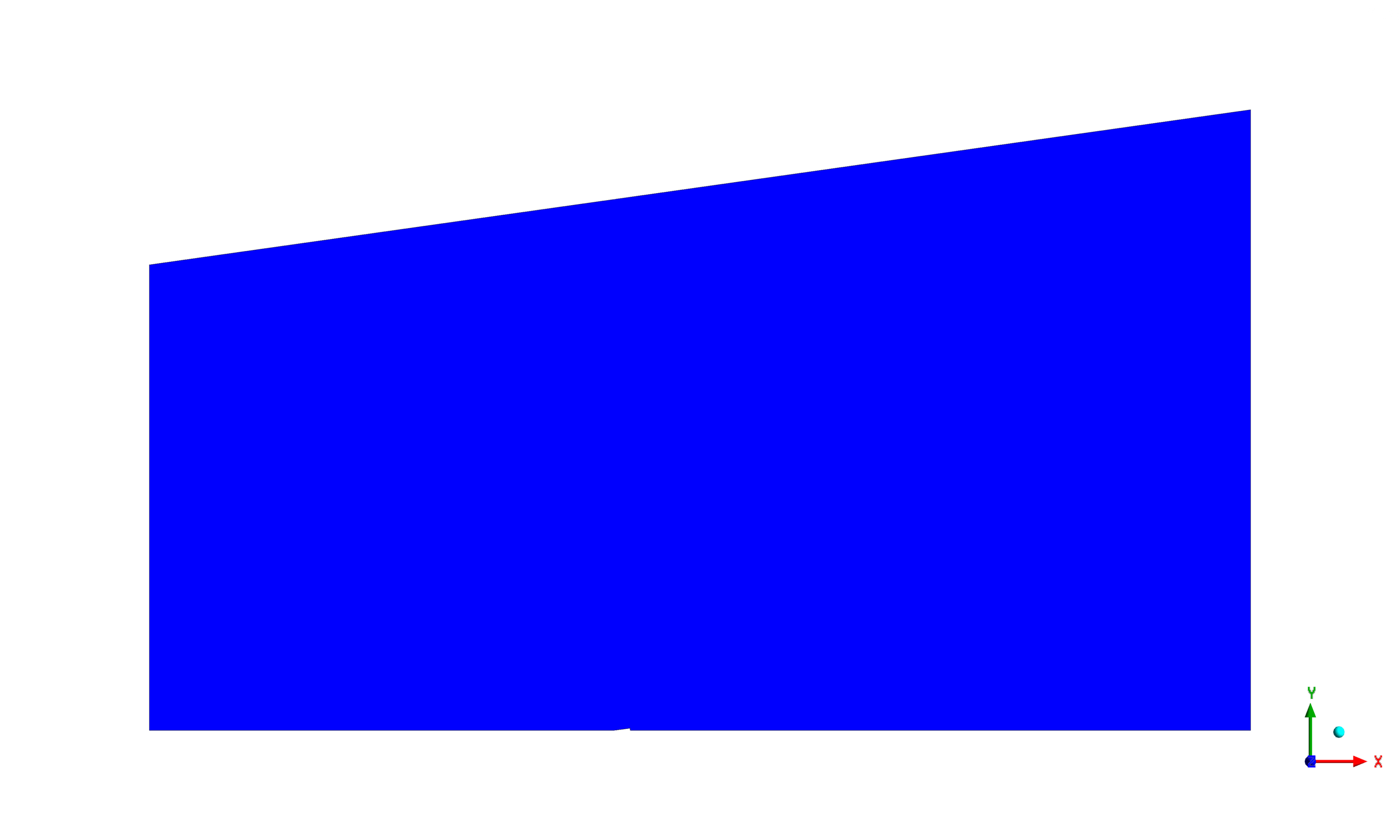
- A 2D symmetric geometry with a structured mesh of 310,000 cells was created, refined near the projectile walls for accuracy.
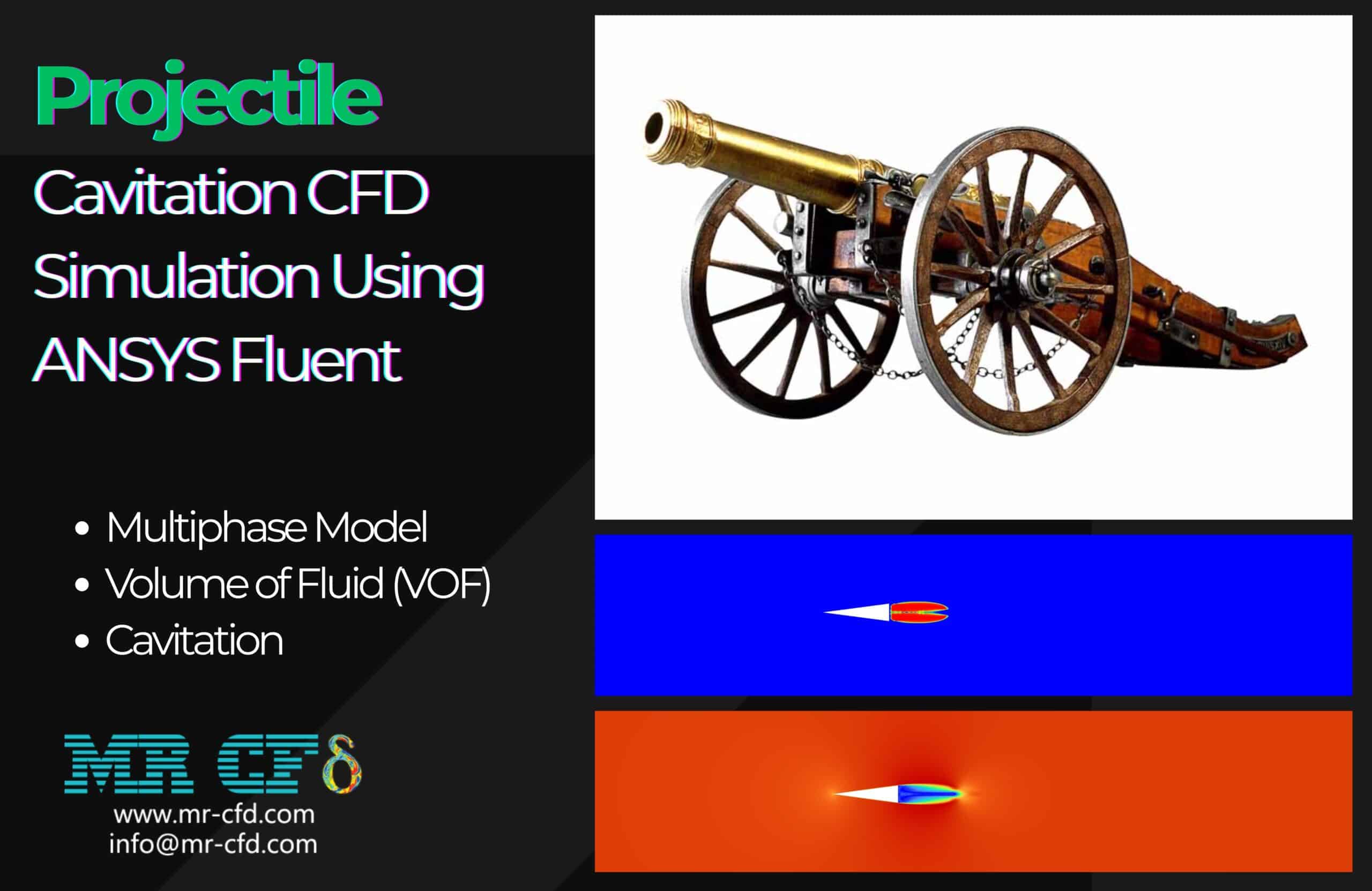
- This project investigates the cavitation phenomenon caused by a projectile moving through water using ANSYS Fluent.
- A transient, pressure-based solver with the Volume of Fluid (VOF) model captures the phase interaction between liquid and vapor.
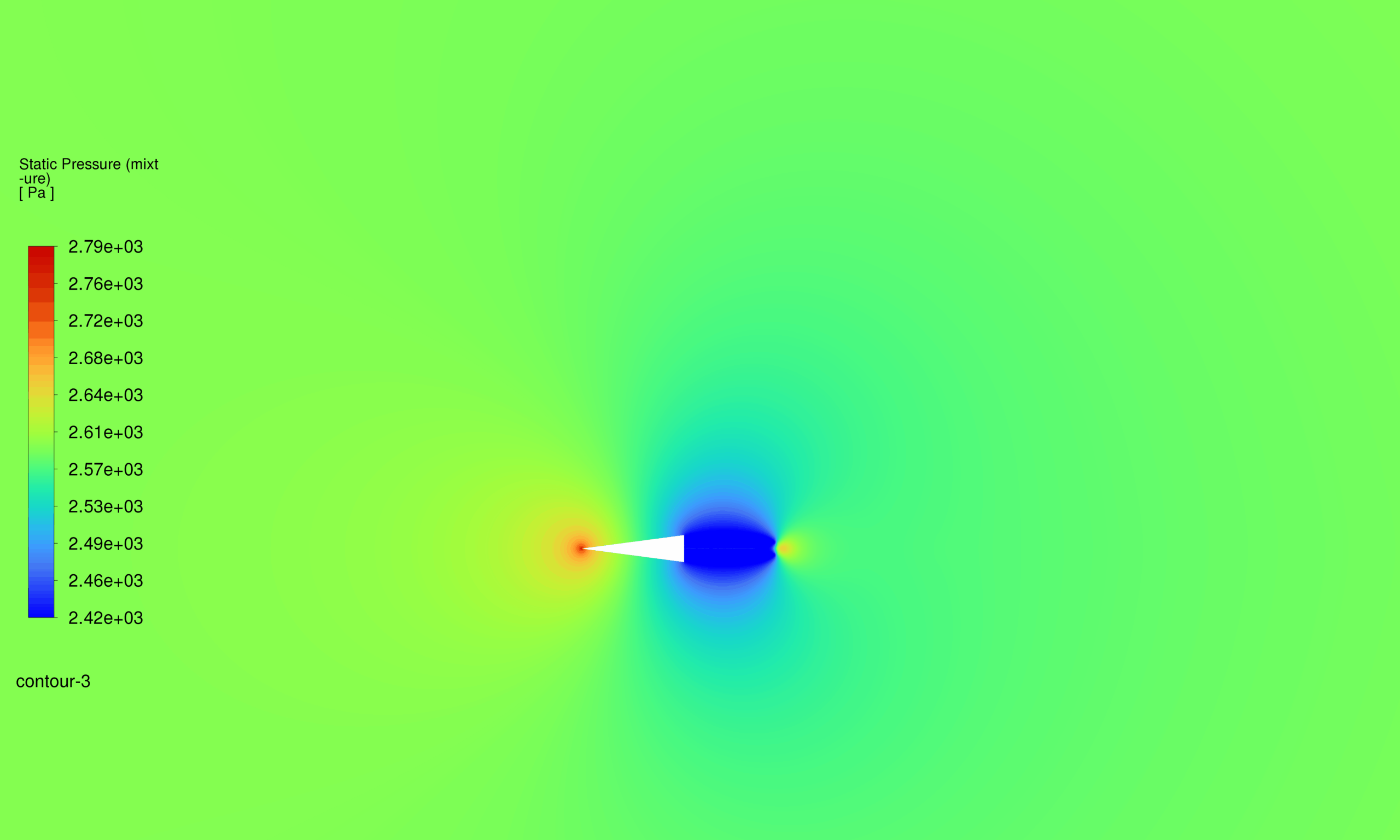
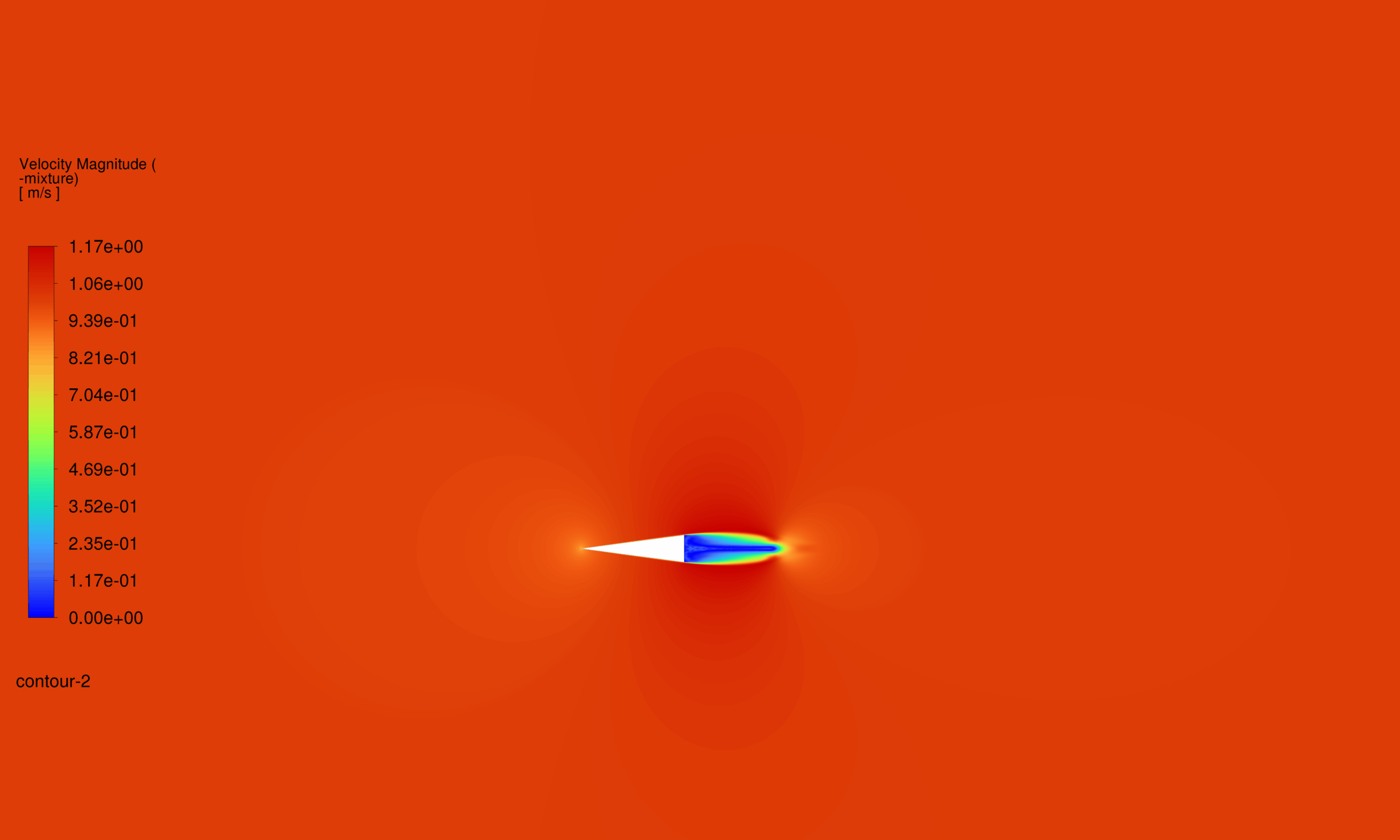
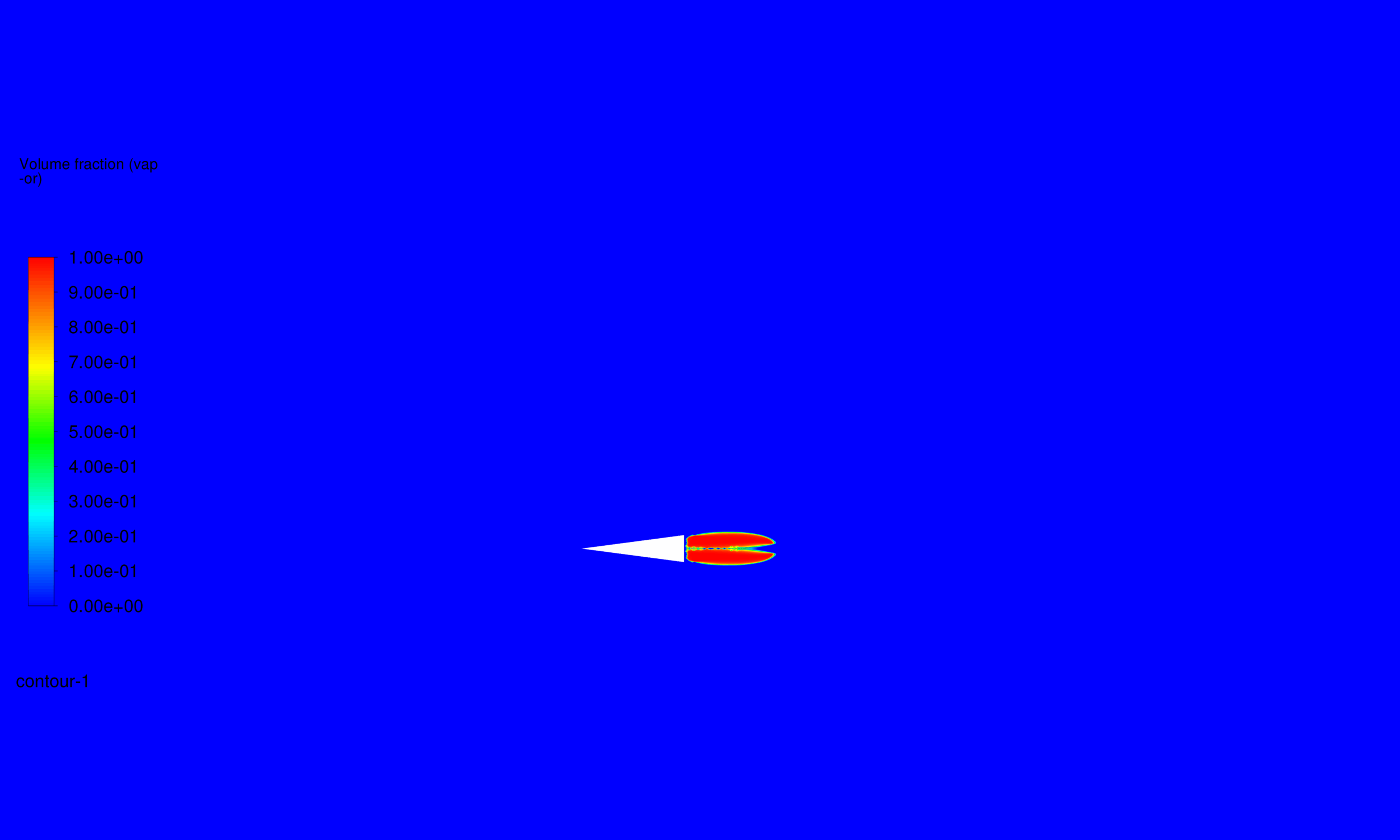
- The simulation analyzes velocity, pressure, and vapor volume fraction around the projectile.
To Order Your Project or benefit from a CFD consultation, contact our experts via email (info@mr-cfd.com), online support tab, or WhatsApp at +44 7443 197273.
There are some Free Products to check our service quality.
If you want the training video in another language instead of English, ask it via info@mr-cfd.com after you buy the product.
Description
Projectile-Induced Cavitation CFD Simulation in Water Using VOF Method
Description
This project involves the simulation of a projectile in a liquid medium to study cavitation phenomena using ANSYS Fluent. The main objective is to capture the formation and development of vapor cavities around the projectile as it moves through water. The study considers transient effects and multiphase interactions between liquid water and its vapor phase. The simulation uses the Volume of Fluid (VOF) method to track the phase interface and employs turbulence modeling to account for flow instabilities and pressure variations. Through this study, the cavitation behavior and pressure distribution around the missile are analyzed, providing valuable insights into fluid dynamics under cavitating conditions.
Geometry and Mesh
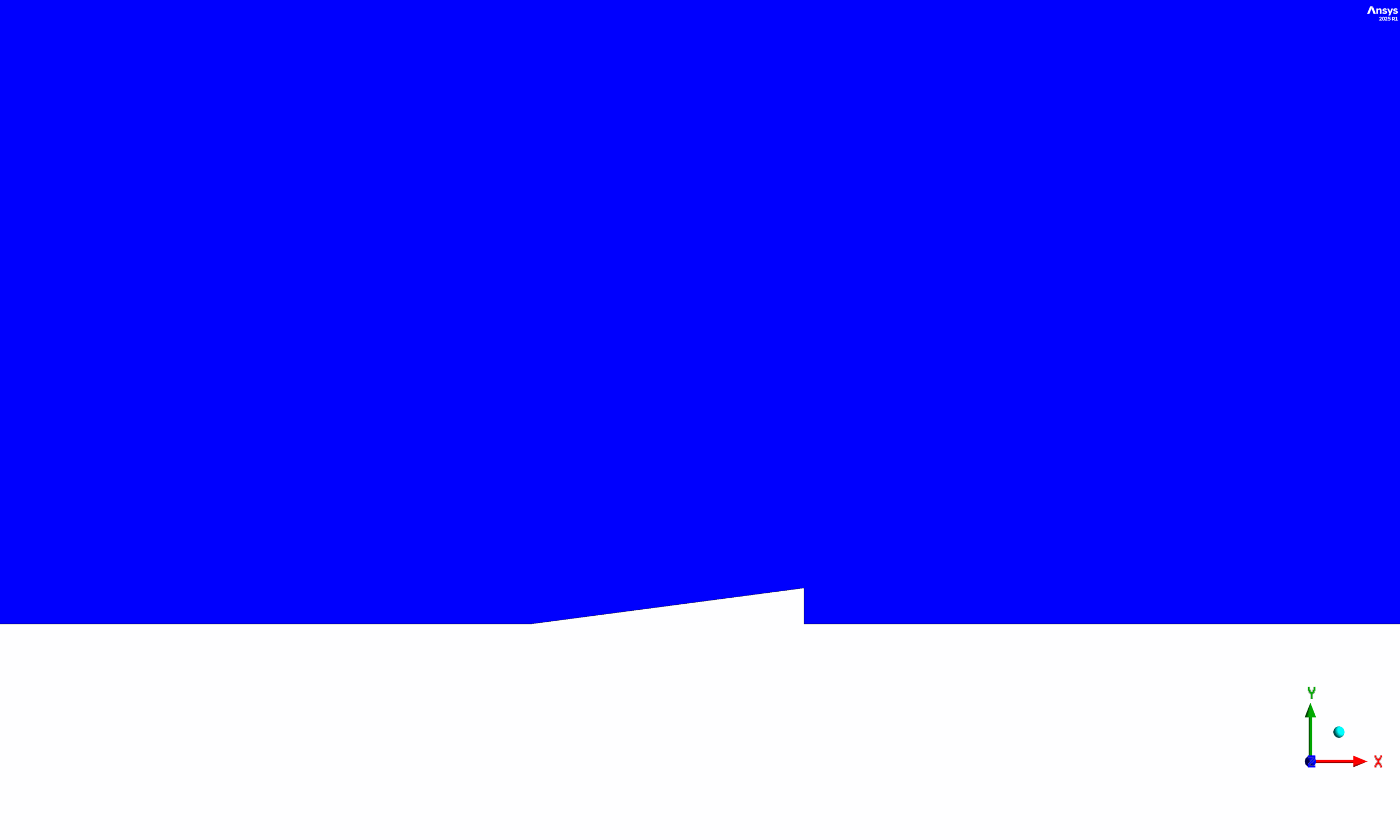
The geometry was created in ANSYS DesignModeler as a 2D symmetric model, representing half of the domain since the flow and geometry are symmetrical about the centerline. The missile is placed at the middle of the computational domain, with the upstream and downstream regions extending sufficiently to ensure fully developed flow and minimal boundary effects. The computational mesh consists of 310,000 structured cells, providing high resolution for accurate prediction of flow gradients. Finer cells are employed near the projectile wall to capture the boundary layer and cavitation inception regions. The mesh quality ensures good orthogonality and smooth transition between coarse and fine zones, supporting stable convergence during the transient simulation.
Model and Solver Settings
The simulation was carried out in ANSYS Fluent using a pressure-based transient solver. The flow was modeled as a two-phase mixture employing the Volume of Fluid (VOF) model with an implicit formulation to capture the liquid–vapor interface accurately. The primary phase was defined as liquid water, and the secondary phase as water vapor. Cavitation was modeled through the phase change process between these two phases. The Standard k–ε turbulence model was used to simulate turbulence effects, along with the Standard wall function for near-wall treatment. The pressure–velocity coupling was performed using the PISO algorithm, which is suitable for transient flows. Boundary conditions included a velocity inlet with an inlet velocity of 1 m/s, and a pressure outlet with a gauge pressure of 2624.63 Pa. These settings enabled the solver to capture transient cavitation dynamics effectively.
Results
The simulation results clearly show the cavitation behavior around the missile. From the volume fraction contours, regions of high vapor concentration form near the rear of the missile due to local pressure drops below the vapor pressure of water. These vapor regions indicate cavitation zones where liquid water transitions to vapor. The velocity contour demonstrates an acceleration of flow around the missile tip, with maximum velocities occurring near the nose and along the projectile surface. The static pressure contour reveals a distinct low-pressure zone at the projectile’s rear, coinciding with the cavitation region, while higher pressure is observed ahead of the shot nose. Overall, the results confirm that cavitation occurs as expected, governed by the local pressure and velocity fields, and the simulation successfully captures both the transient and multiphase characteristics of the flow.
You must be logged in to post a review.
 Talk On WhatsApp
 Talk On WeChat

Reviews
There are no reviews yet.