
SpaceClaim Course, Session 22: Spaceclaim Meshing
Free
- Spaceclaim Mesh learning.
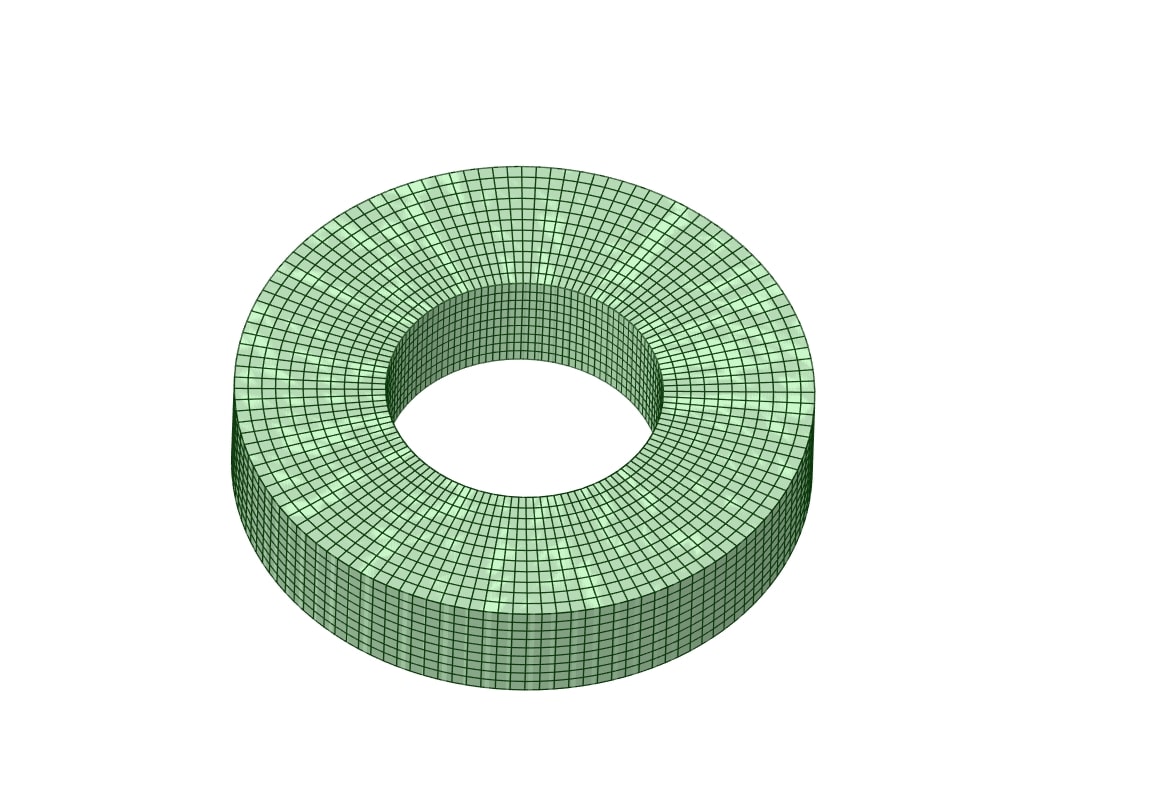
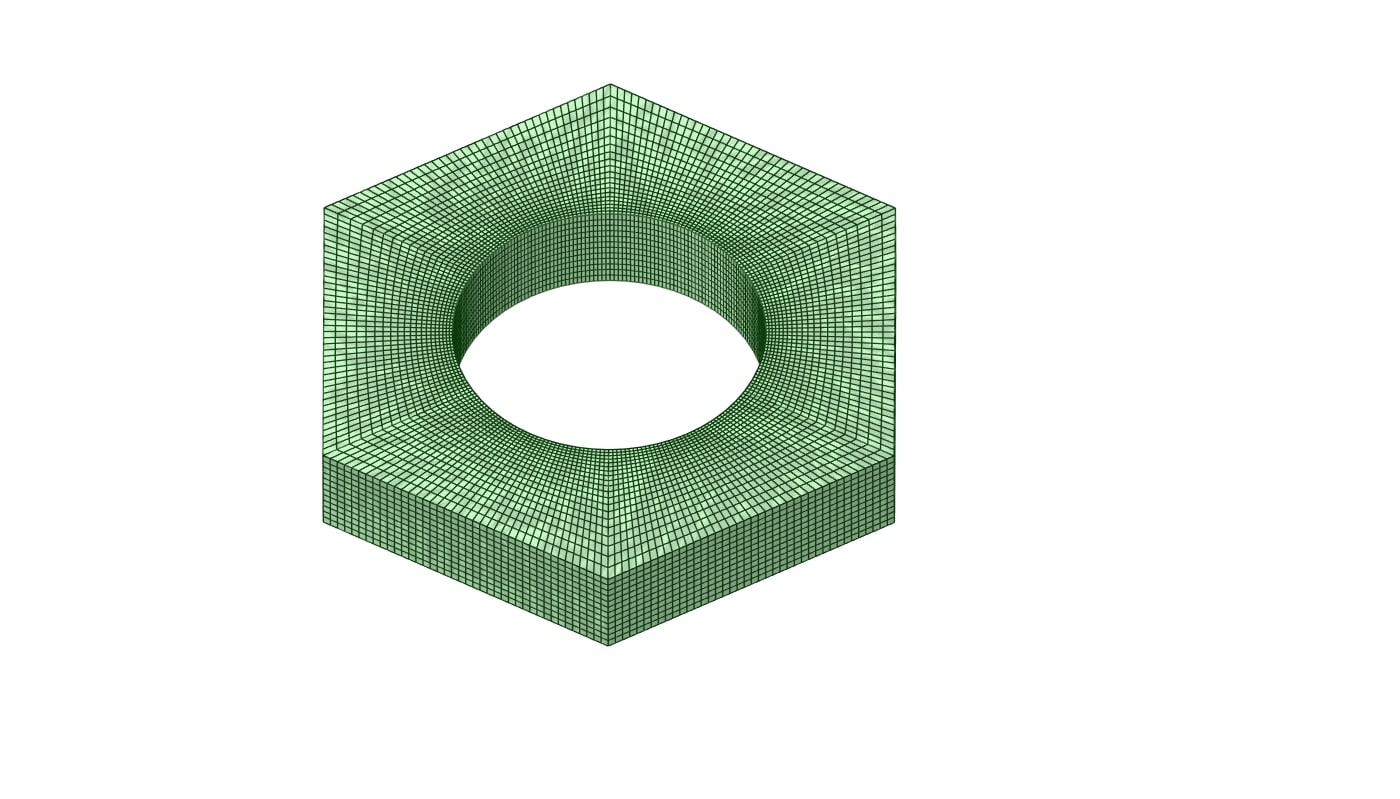
- Generating O-grid Meshes by Spaceclaim Meshing options.
- Improving Mesh quality by using different techniques.
To Order Your Project or benefit from a CFD consultation, contact our experts via email (info@mr-cfd.com), online support tab, or WhatsApp at +44 7443 197273.
There are some Free Products to check our service quality.
If you want the training video in another language instead of English, ask it via info@mr-cfd.com after you buy the product.
Description
1. Introduction
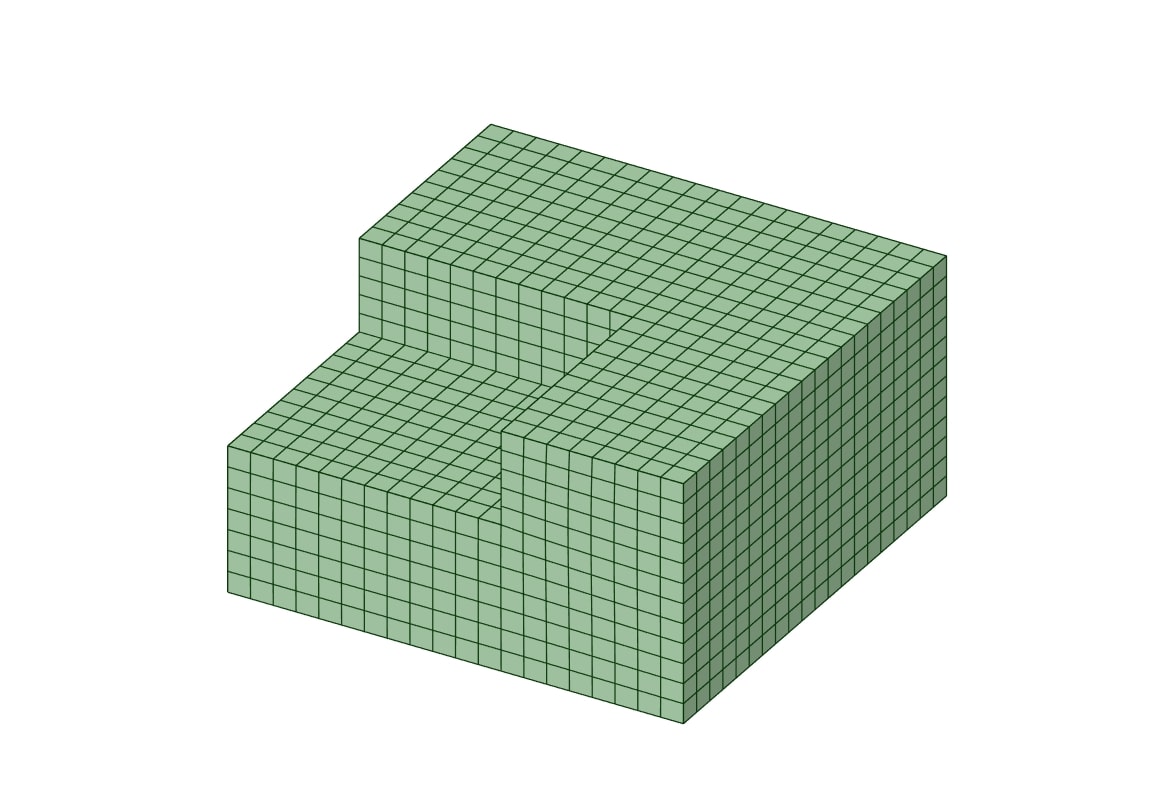
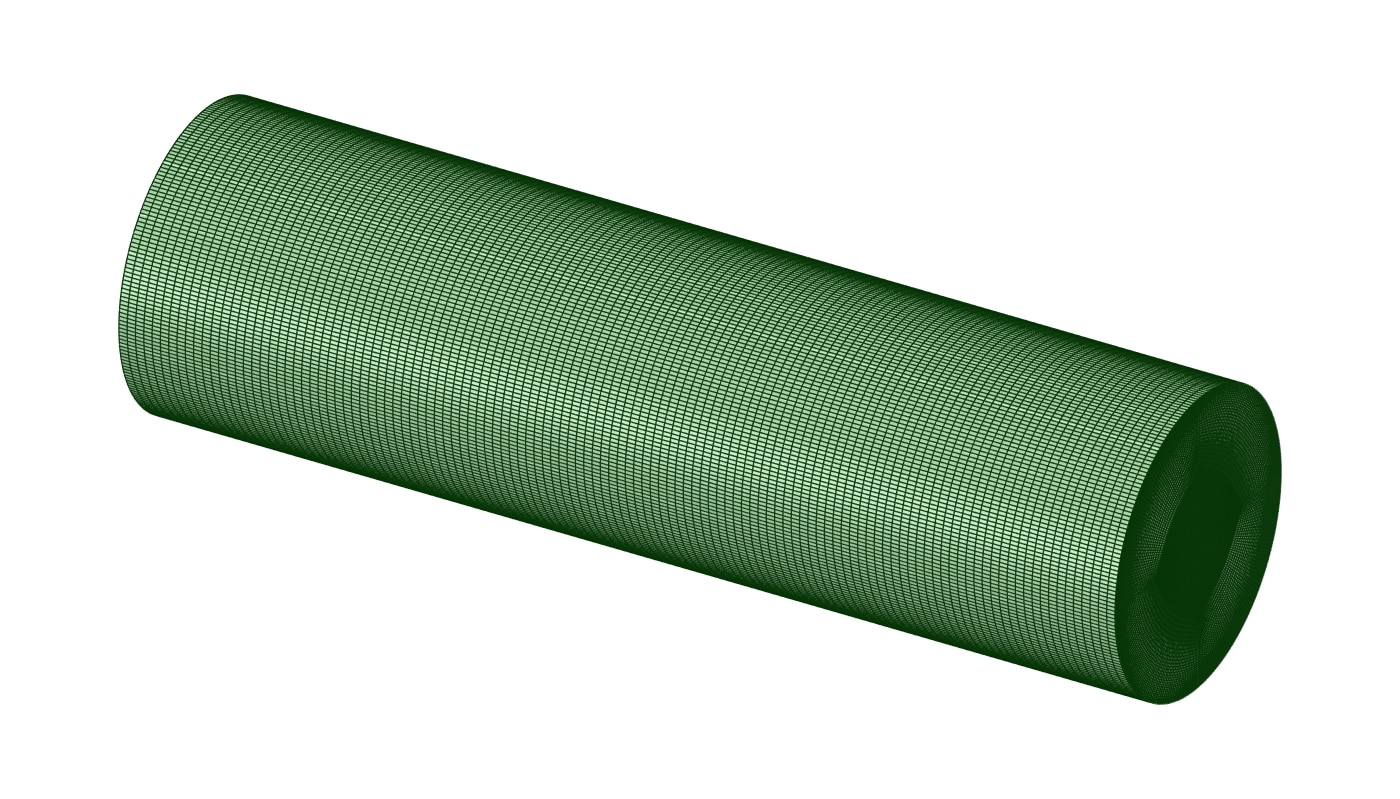
SpaceClaim Meshing is one of the most important environments in this software, because it allows you to generate high‑quality meshes without needing to switch between separate meshing tools such as Ansys Meshing or Fluent Meshing. In this session, you will learn how to create accurate and clean meshes using the SpaceClaim mesh controls. We will begin with simple geometries and basic operations, and then proceed to generate an O grid mesh for a cylindrical pipe flow case. By the end, you will be able to build structured, CFD‑ready meshes directly inside SpaceClaim.
2. Mesh Quality
To generate a more accurate and reliable mesh, different techniques should be used to improve mesh quality. One practical approach is to locally edit the mesh size in critical regions to correct poor quality cells. In addition, in many cases the quality can be enhanced by splitting geometry faces, which helps SpaceClaim build cleaner blocks and therefore produces a better quality mesh.
3. O-grid Mesh
Generating O-grid meshes is also available in SpaceClaim Meshing and one of its advantages is that you do not need to manually create the central block inside the circle. Instead, the software automatically generates this block simply by selecting the relevant curves of the geometry.
4. Summary
This session introduced how to use SpaceClaim Meshing to create high‑quality structured and O‑grid meshes for internal pipe‑flow problems. The workflow covered basic geometry preparation, edge sizing, biasing, and layer generation around cylindrical walls. It also emphasized mesh‑quality improvement through local sizing edits and face splitting to obtain cleaner blocks. Finally, the process of checking mesh quality and exporting the mesh for CFD solvers was outlined as the last step.
You must be logged in to post a review.
 Talk On WhatsApp
 Talk On WeChat

Reviews
There are no reviews yet.