
ANSYS Discovery: Silencer Analysis in an L-shaped Duct CFD simulation
$150.00 $90.00 HPC
- 3D Modeling of Silencer and Duct By Ansys Discovery software
- Fluid Flow Analysis Using Explore Mode of Discovery
- Optimizing the Number and Position of Silencers in an L shaped Duct.
To Order Your Project or benefit from a CFD consultation, contact our experts via email (info@mr-cfd.com), online support tab, or WhatsApp at +44 7443 197273.
There are some Free Products to check our service quality.
If you want the training video in another language instead of English, ask it via info@mr-cfd.com after you buy the product.
Description
Project Distribution
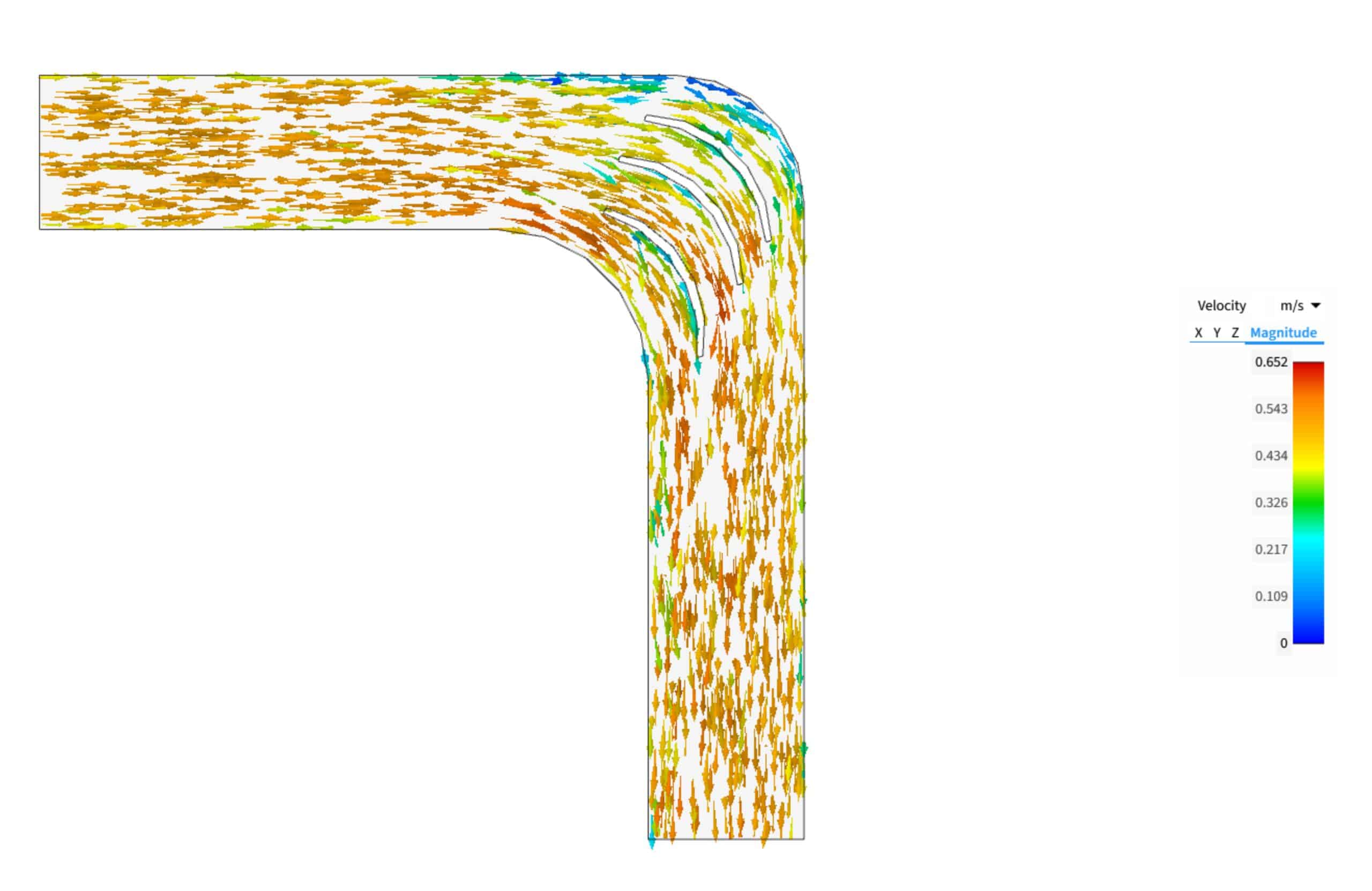
In this simulation, we will model airflow through a duct that contains an internal silencer and evaluate how it affects the flow field. We will focus on key outcomes such as pressure drop and velocity distribution to assess the silencer’s performance and design impact.
In many engineering applications such as HVAC systems, exhaust ducts, and industrial pipelines, silencers are commonly installed inside channels to reduce noise levels and control flow-induced vibrations.
The geometric design of these silencers plays a crucial role in both aerodynamic performance and pressure losses. Therefore, having a fast and intuitive simulation tool is highly valuable during the early stages of design.
Objectives
In this tutorial, we will demonstrate how to model an L-shaped channel with internal Silencers using ANSYS Discovery. The focus of this video is on geometry creation and preparation, which is a key step before any flow or acoustic analysis.
ANSYS Discovery allows engineers to quickly modify geometries and visually understand how design changes affect the model, making it an excellent tool for conceptual design and early-stage simulations.
Results and discussion
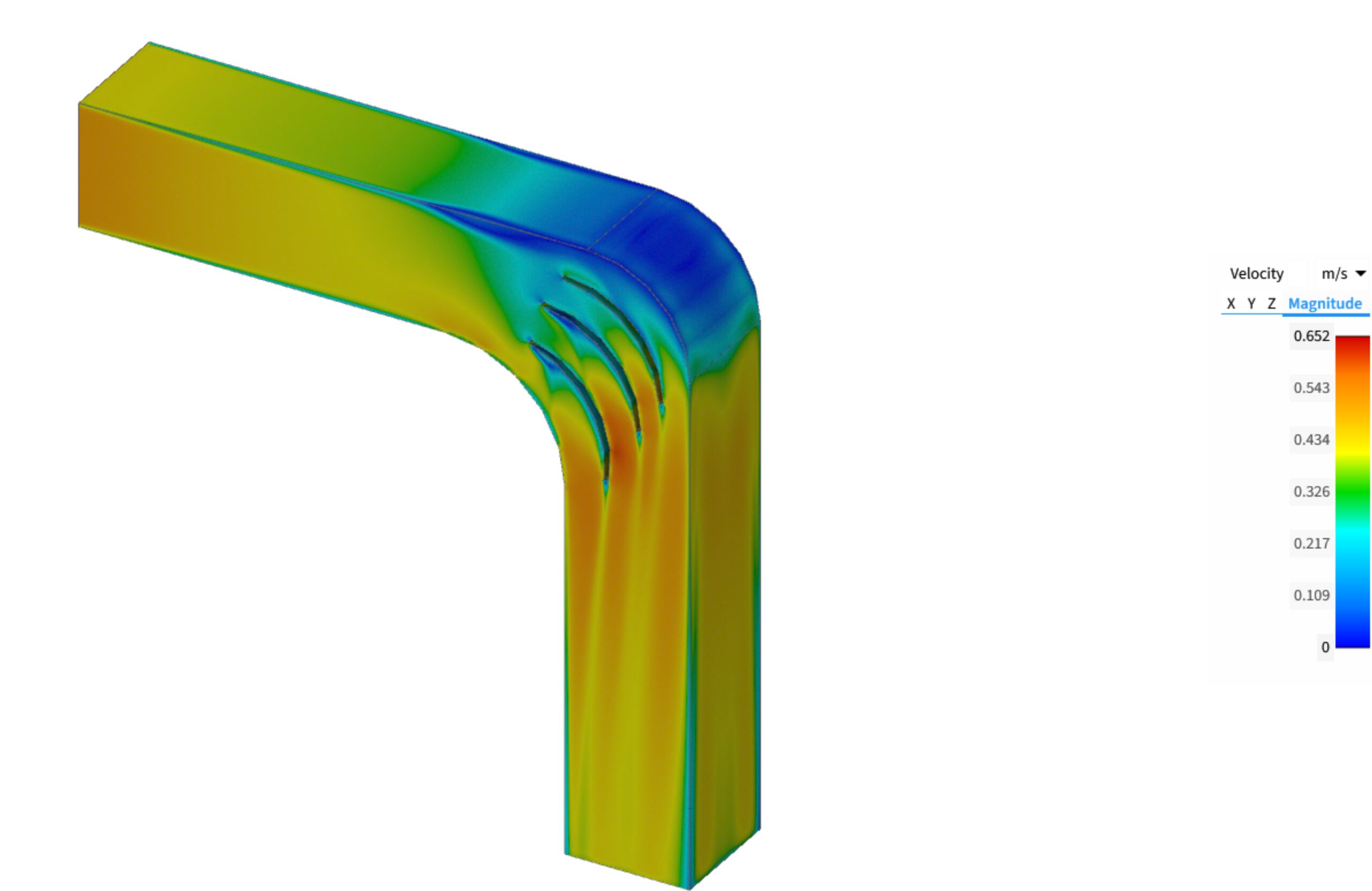
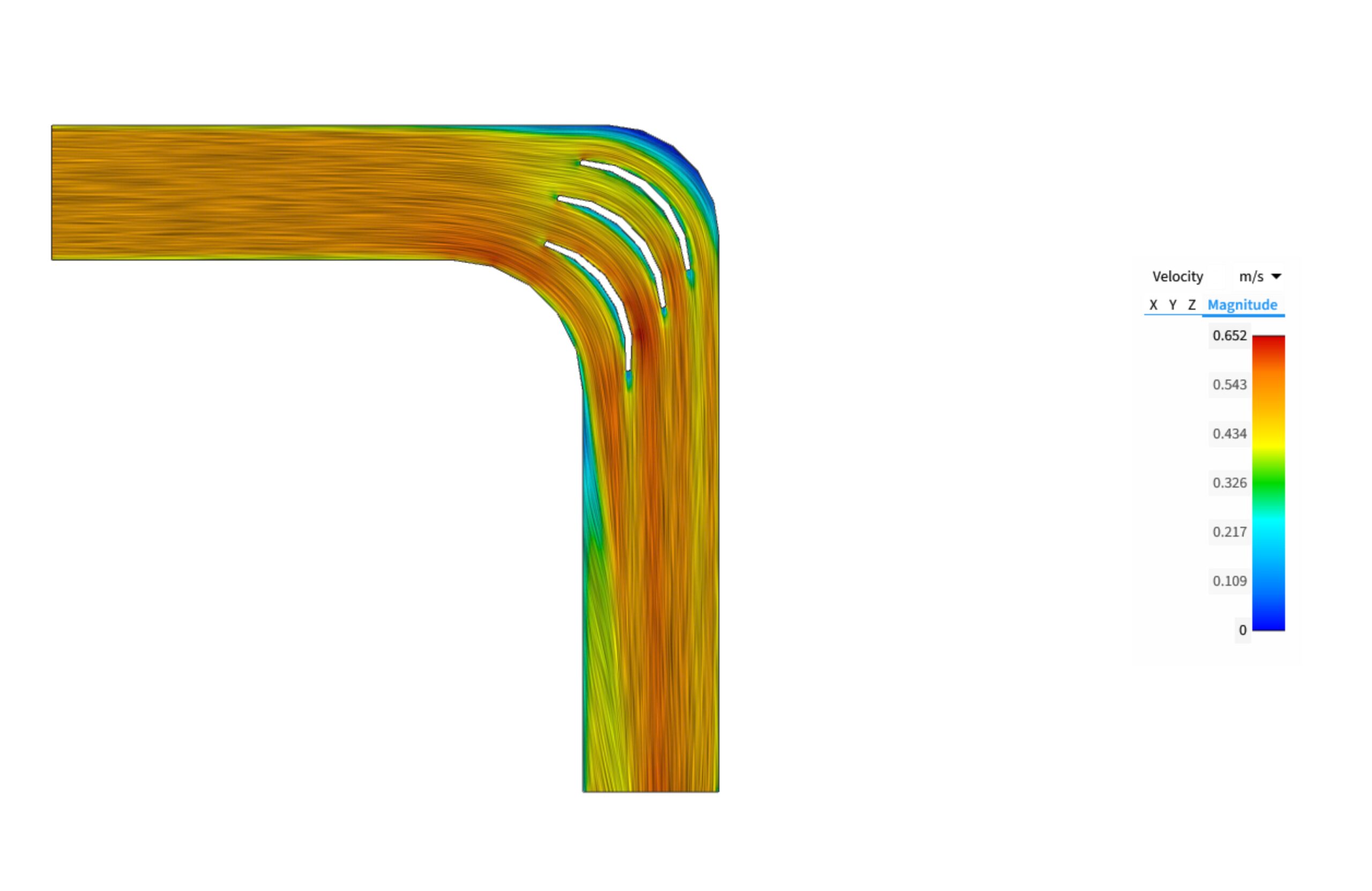
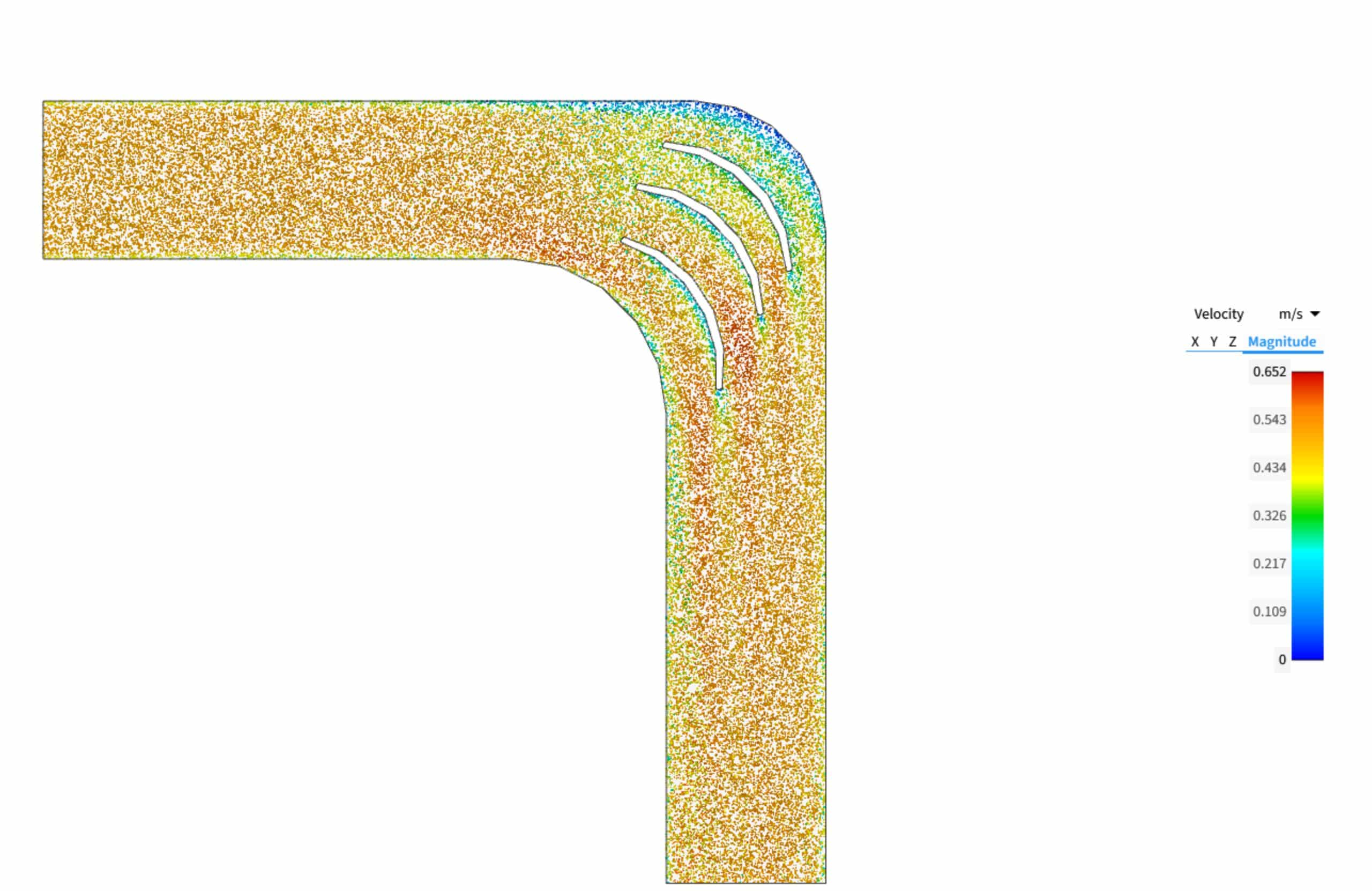
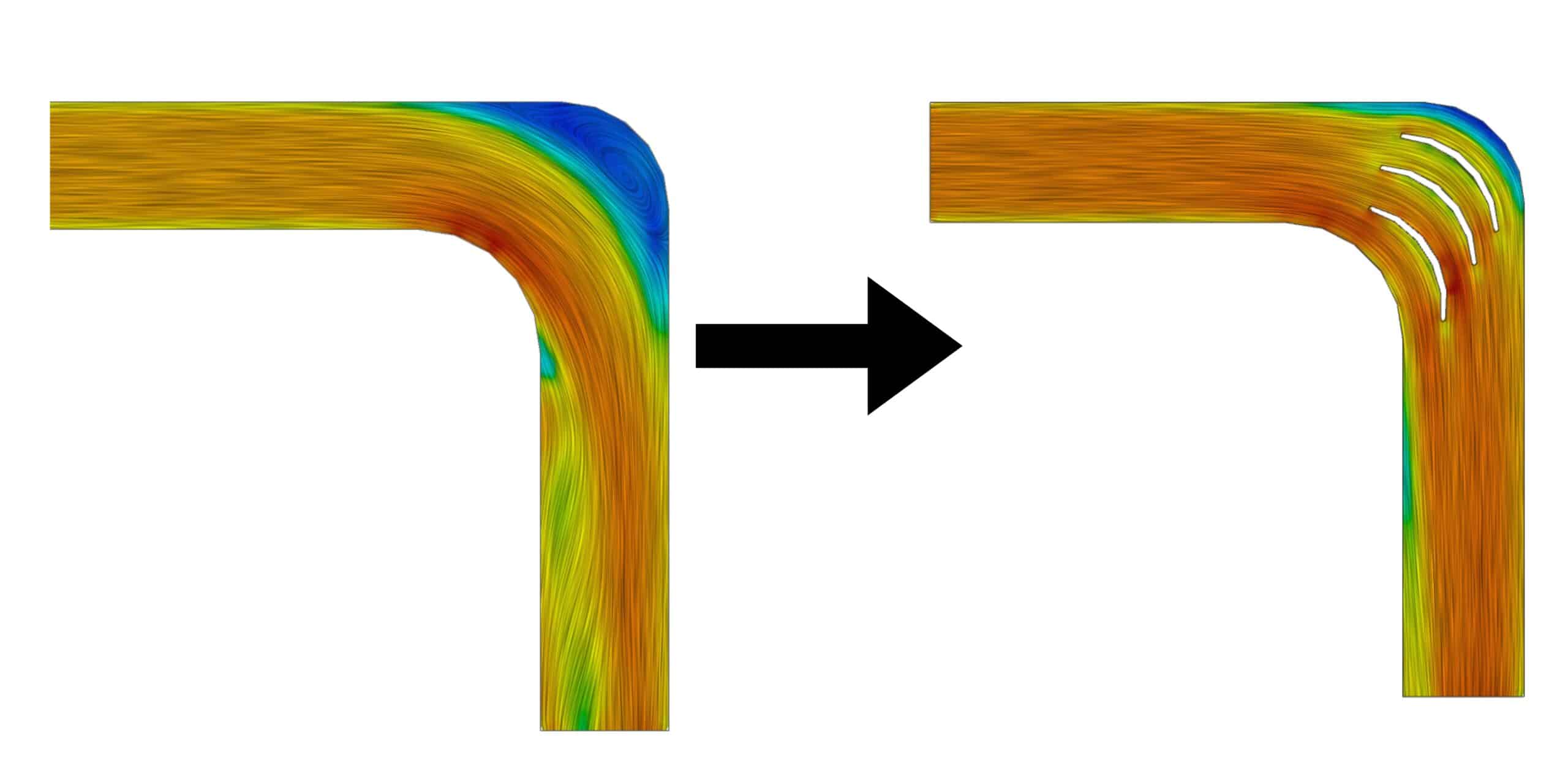
We compared the baseline duct flow with the silencer-equipped design in terms of velocity distribution, pressure drop, and vortex structures. The optimized configuration uses three silencers, which we consider our best design choice because it manages the main vortices and stabilizes the flow. By reducing turbulence intensity and suppressing large-scale recirculation, the design also helps reduce flow-induced noise. Overall, the three-silencer layout provides a cleaner, more uniform downstream flow field while maintaining acceptable aerodynamic performance.
You must be logged in to post a review.
 Talk On WhatsApp
 Talk On WeChat

Reviews
There are no reviews yet.