
Indoor Airflow and Virus/Aerosol Dispersion CFD Simulation Training Package: 8 Projects by ANSYS Fluent
$299.00 $179.40 HPC
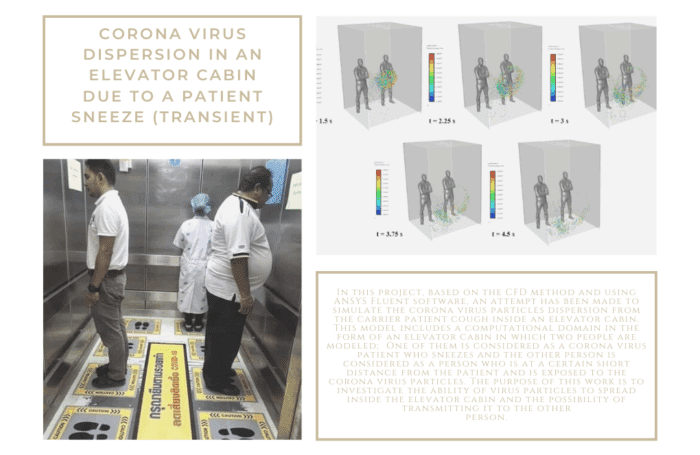
- Simulation of coronavirus spread due to sneezing in elevator cabins
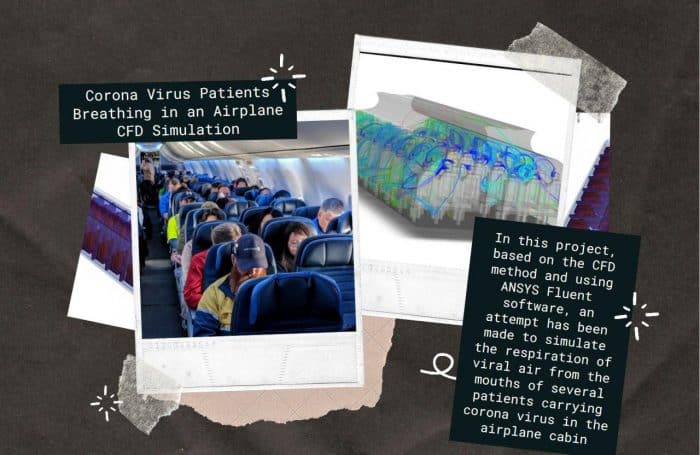
- Modeling airborne virus transmission among passengers in airplane cabins
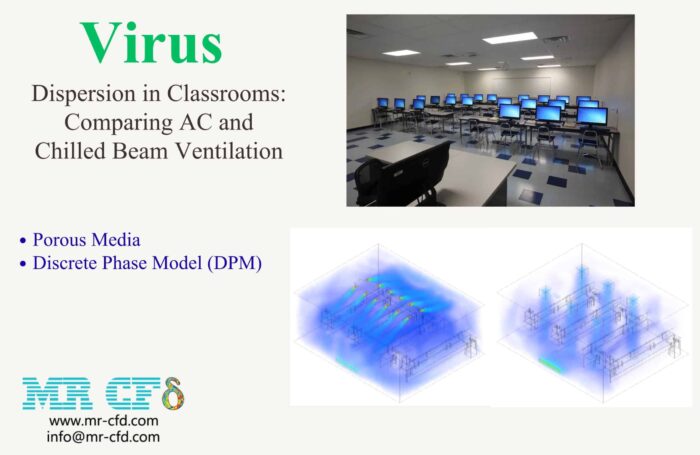
- Comparative CFD study of virus dispersion in classrooms using air conditioning and chilled beam systems
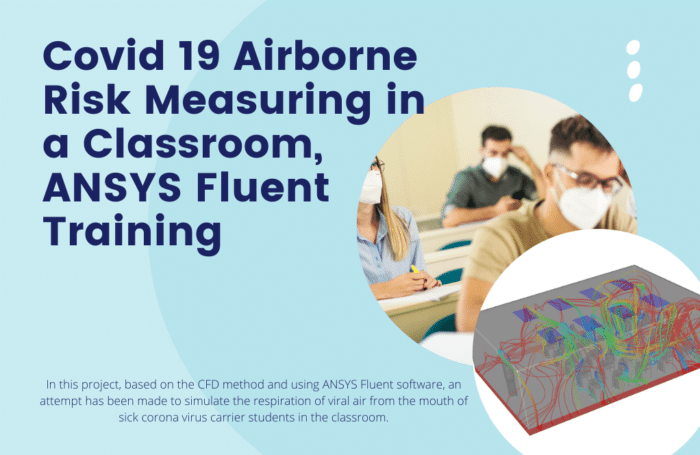
- Assessment of airborne COVID-19 risk in classroom environments
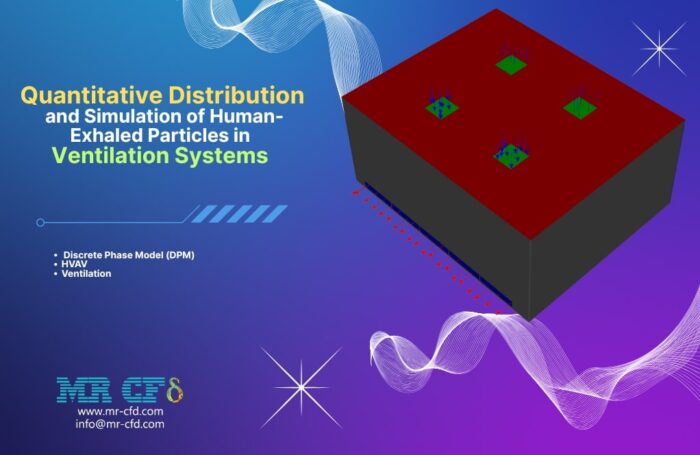
- Quantitative analysis and simulation of human-exhaled particle distribution in ventilation systems
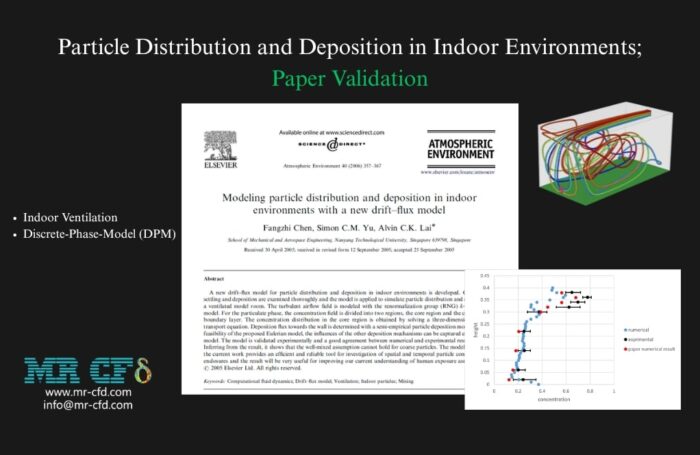
- Validation of particle distribution and deposition patterns in indoor settings through CFD
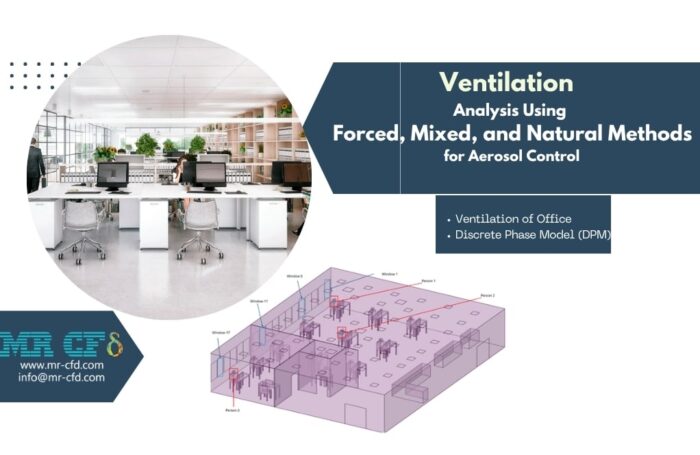
- Evaluation of forced, mixed, and natural ventilation methods for aerosol control in indoor spaces
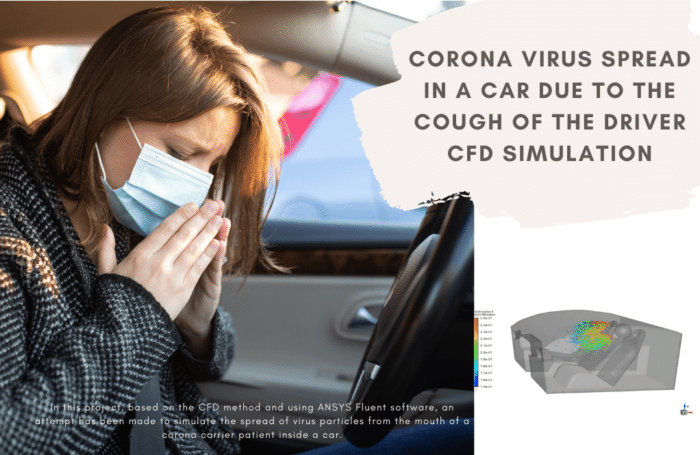
- Analysis of coronavirus spread inside a car caused by driver cough airflow patterns
To Order Your Project or benefit from a CFD consultation, contact our experts via email (info@mr-cfd.com), online support tab, or WhatsApp at +44 7443 197273.
There are some Free Products to check our service quality.
If you want the training video in another language instead of English, ask it via info@mr-cfd.com after you buy the product.
Description
Overview of Indoor Airflow and Virus/Aerosol Dispersion CFD Simulation Training Package
Understanding Virus and Aerosol Dispersion Dynamics
This training package focuses on simulating airflow and virus-laden aerosol dispersion in typical indoor environments such as classrooms, elevators, airplanes, and vehicles. Using ANSYS Fluent, participants will learn how respiratory particles emitted during sneezing, coughing, or breathing disperse under different ventilation conditions.
Advanced Simulation Techniques for Indoor Airflow
The course covers species transport modeling to track virus-carrying aerosols and discrete phase modeling for particle deposition and distribution. It compares the effectiveness of air conditioning systems, including chilled beam and forced ventilation, and analyzes natural ventilation strategies to assess airborne infection risks.
Practical Applications in Confined and Public Spaces
Participants will simulate virus transmission in enclosed spaces including elevators and airplanes, evaluate airborne risk in classrooms, validate particle distribution models with experimental data, and explore ventilation analysis methods to improve aerosol control. This knowledge helps optimize ventilation system designs to reduce COVID-19 and other airborne infection risks.
This package equips engineers and researchers with the methodology and tools necessary for analyzing complex indoor airflow and pathogen transport, providing actionable insights into ventilation system improvements for enhanced indoor air safety.
You must be logged in to post a review.
 Talk On WhatsApp
 Talk On WeChat

Reviews
There are no reviews yet.