
Tower Aerodynamic and Structural Behavior: A CFD-FSI Study of Burj Jeddah
$120.00 Internship
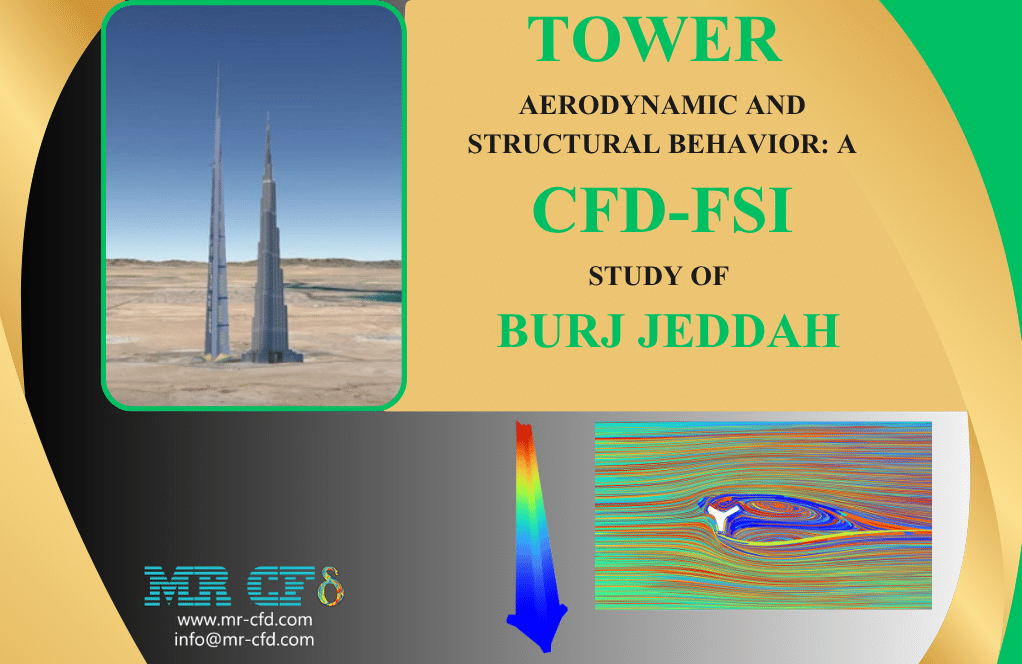
- This study examines the aerodynamic behavior around a scaled model of Burj Jeddah.
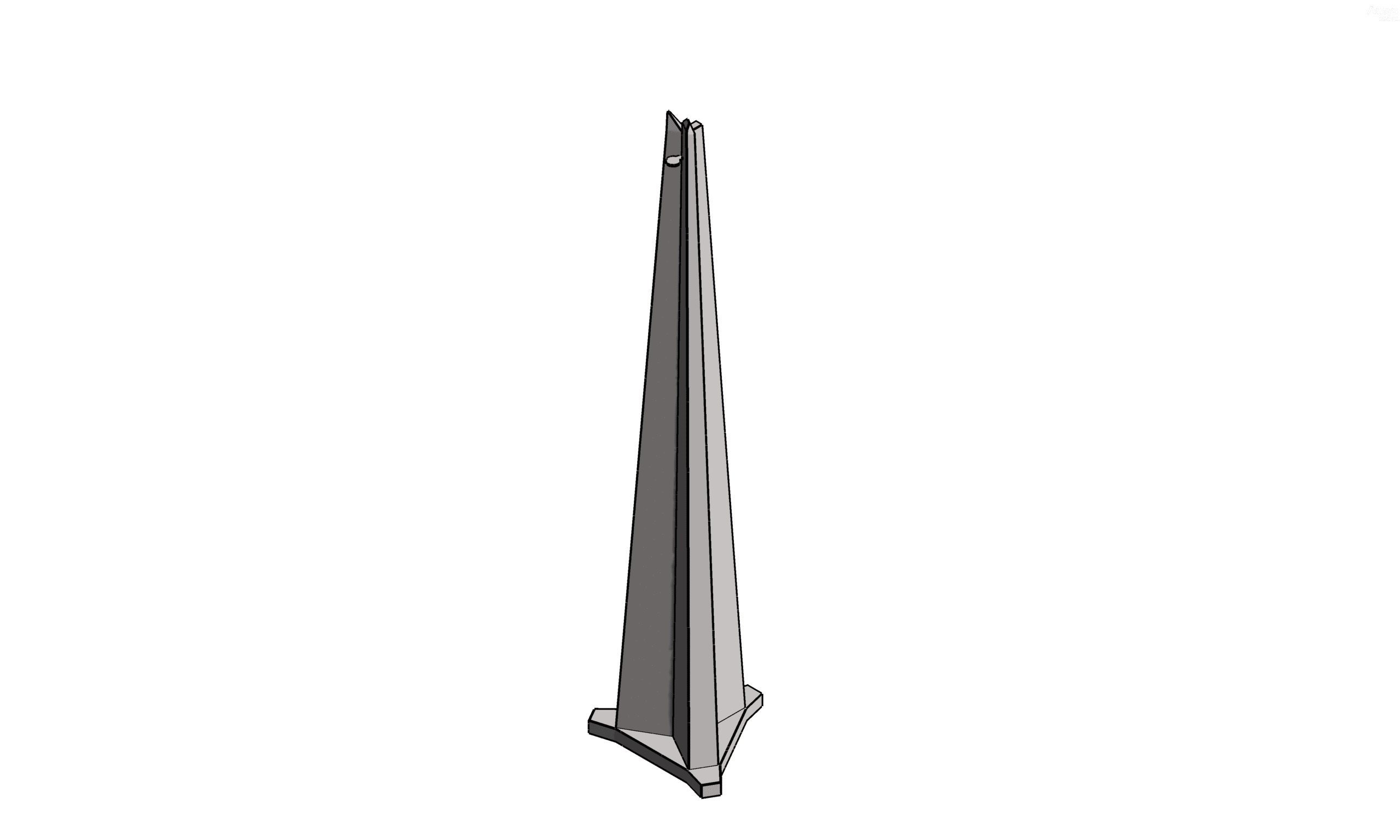
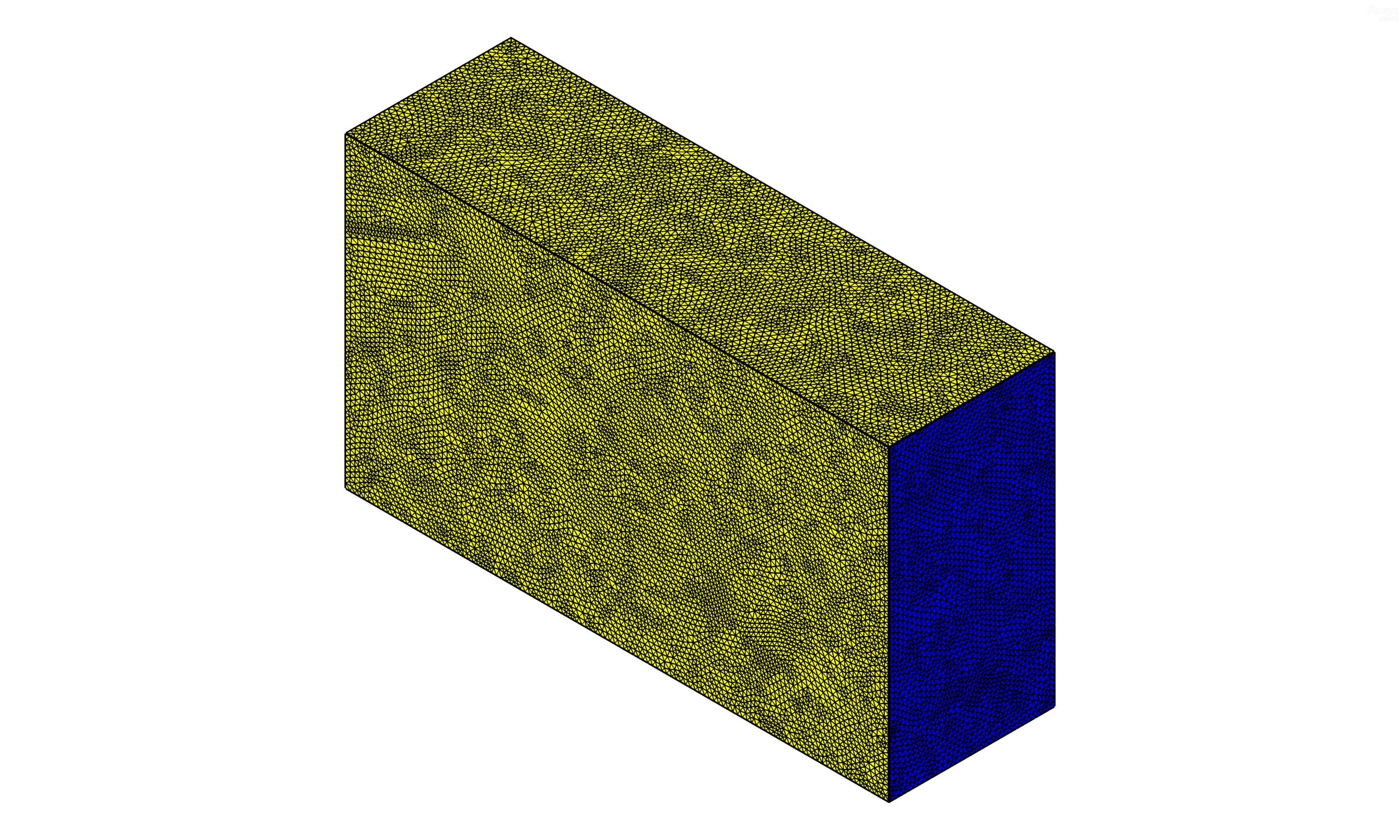
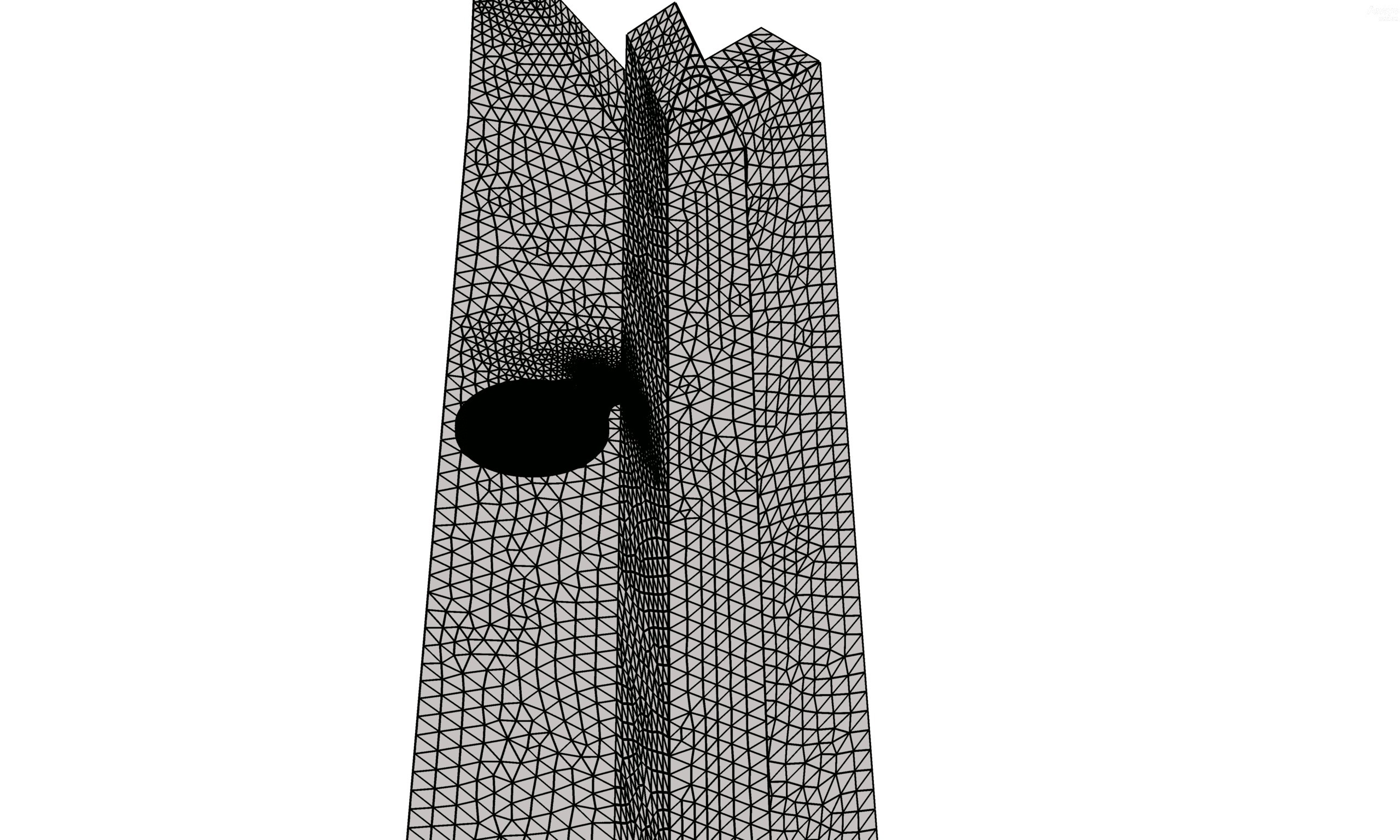
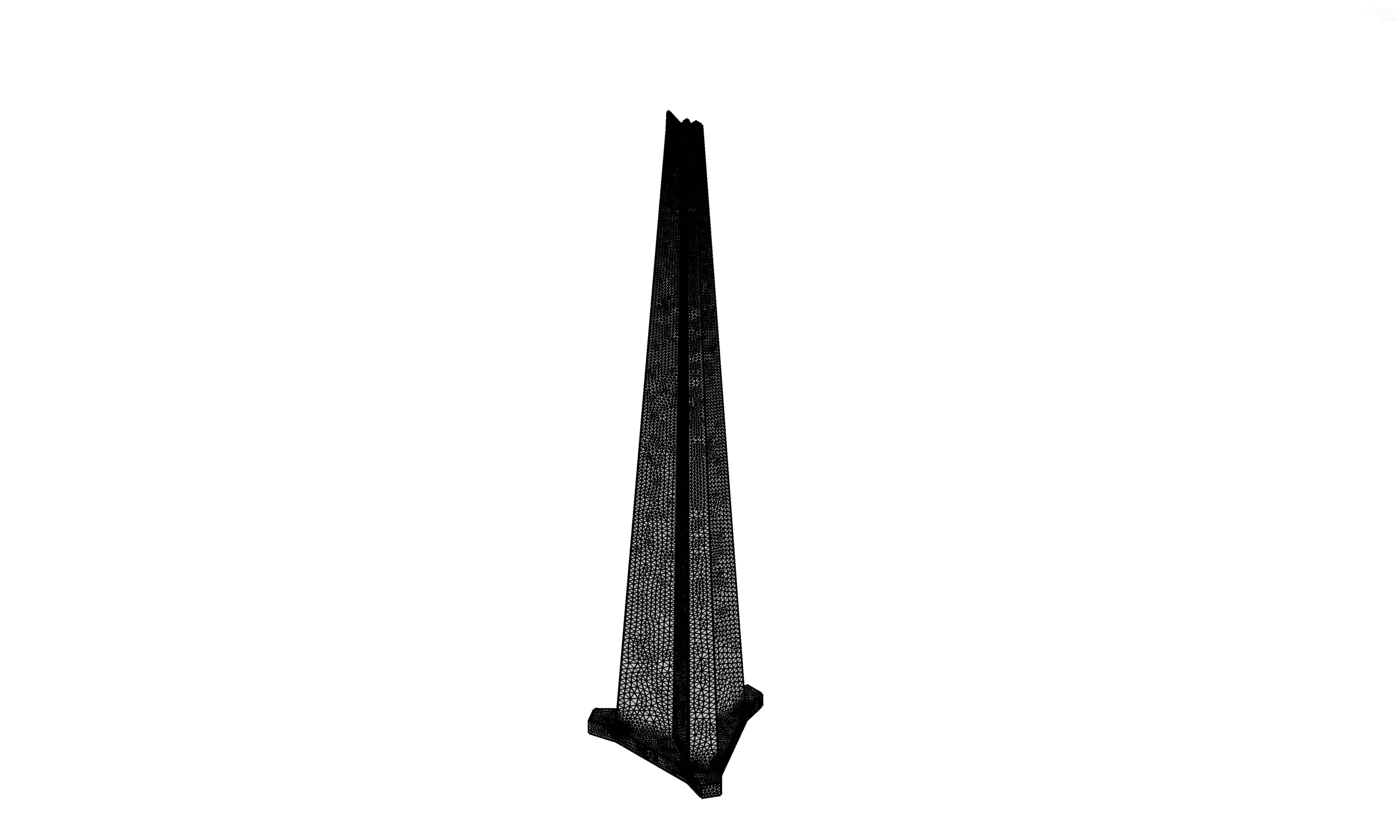
- The tower geometry was modeled in ANSYS SpaceClaim, with a length of about 7 m, and discretized using a tetrahedral mesh of approximately 2.5 million cells.
- A pressure-based steady-state CFD simulation was performed using the standard -turbulence model and a 10 m/s velocity inlet.
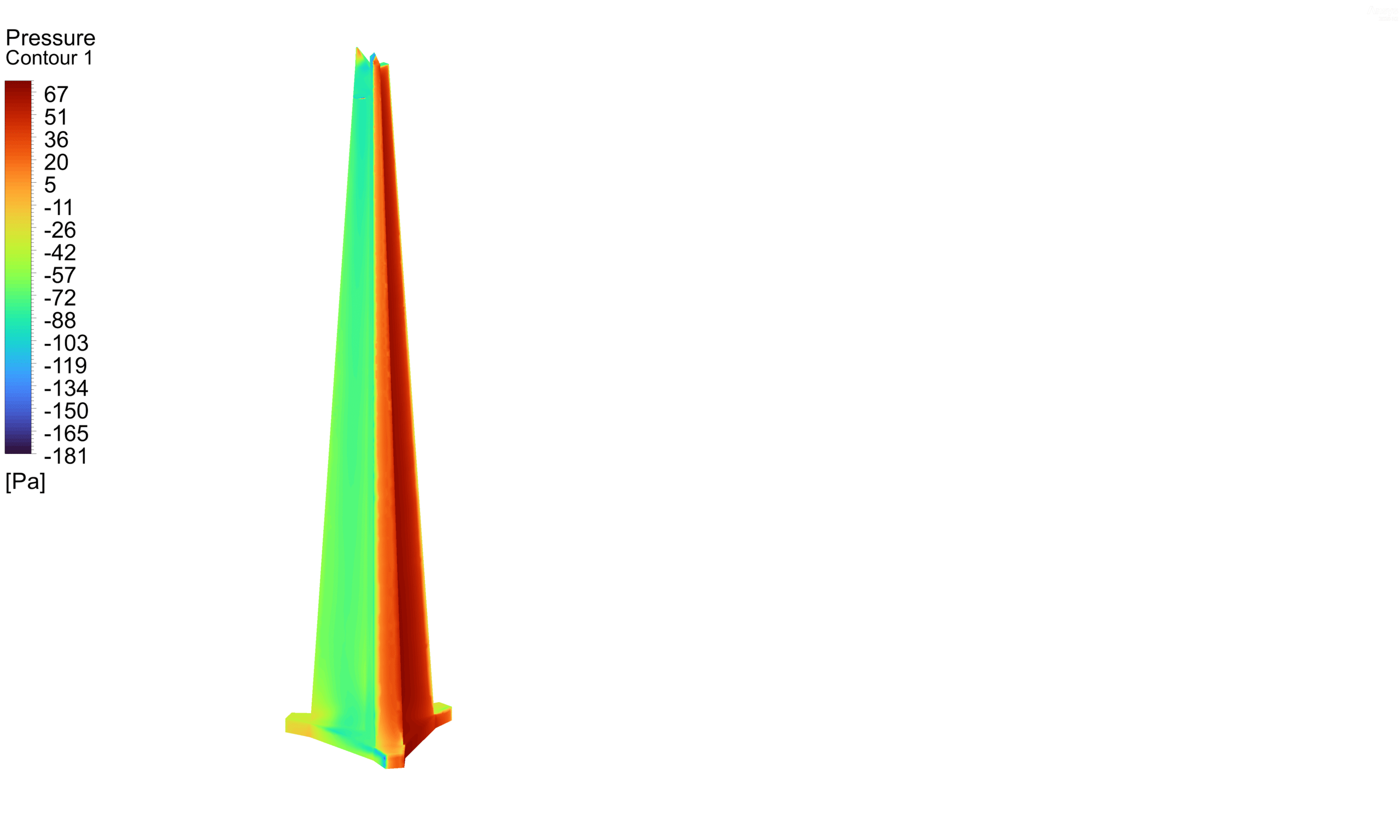
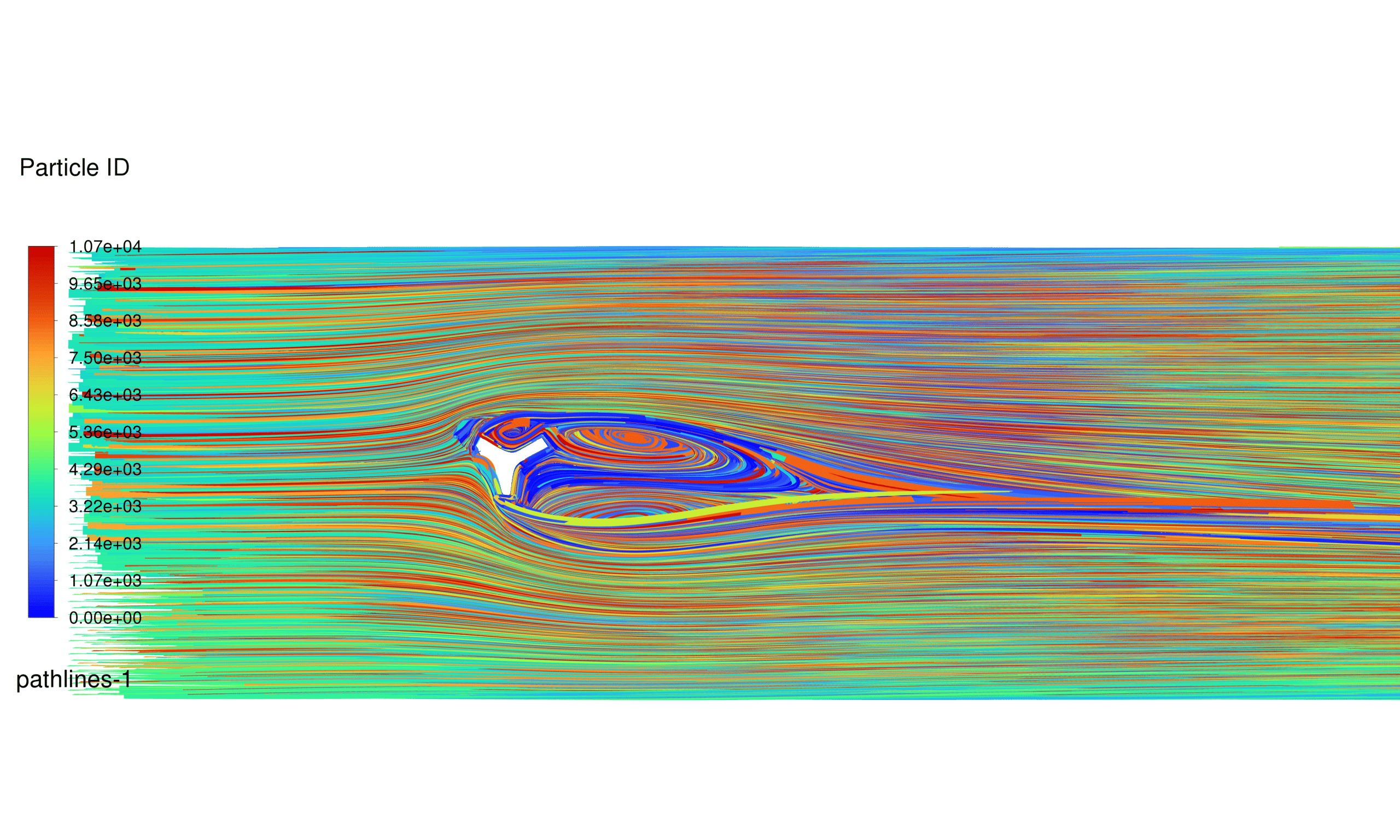
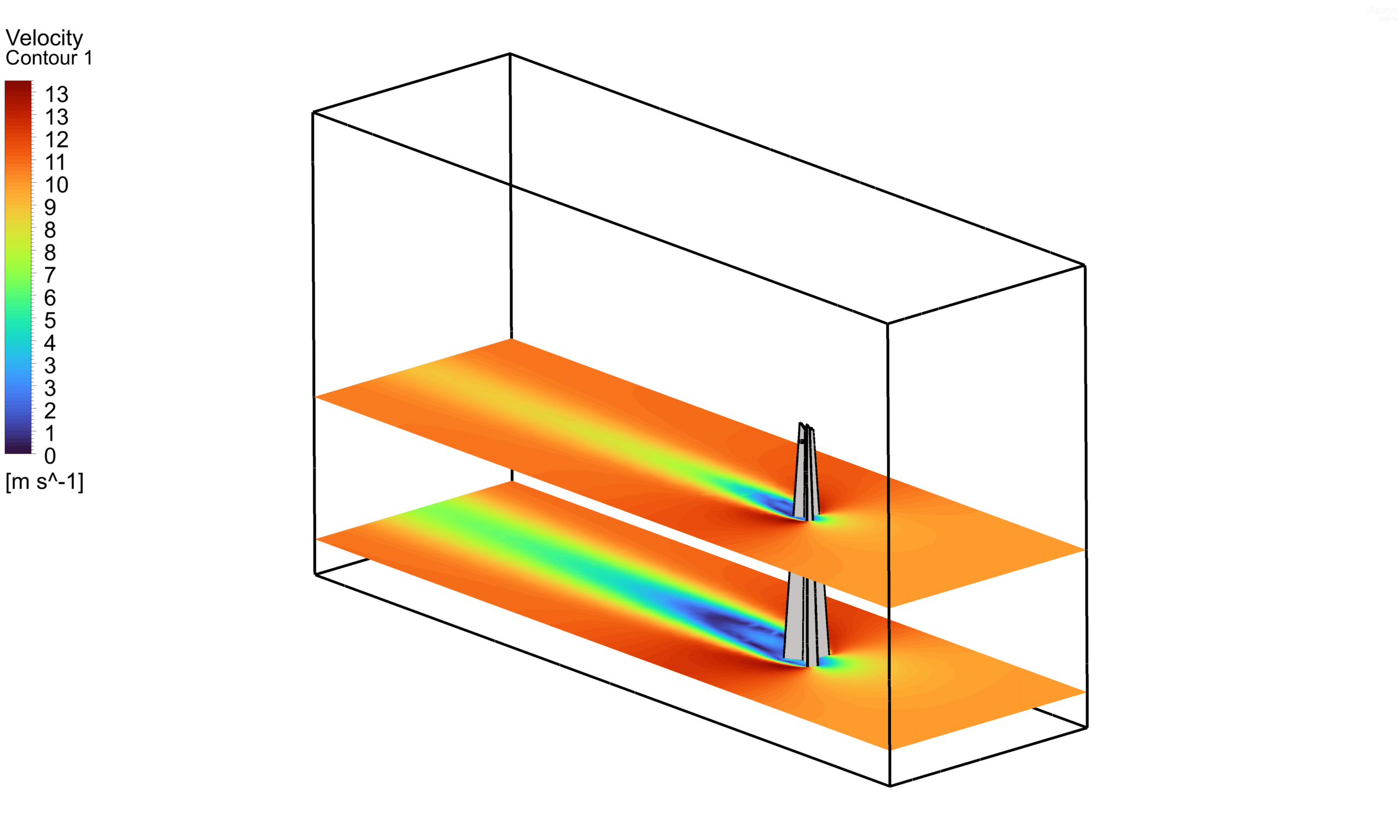
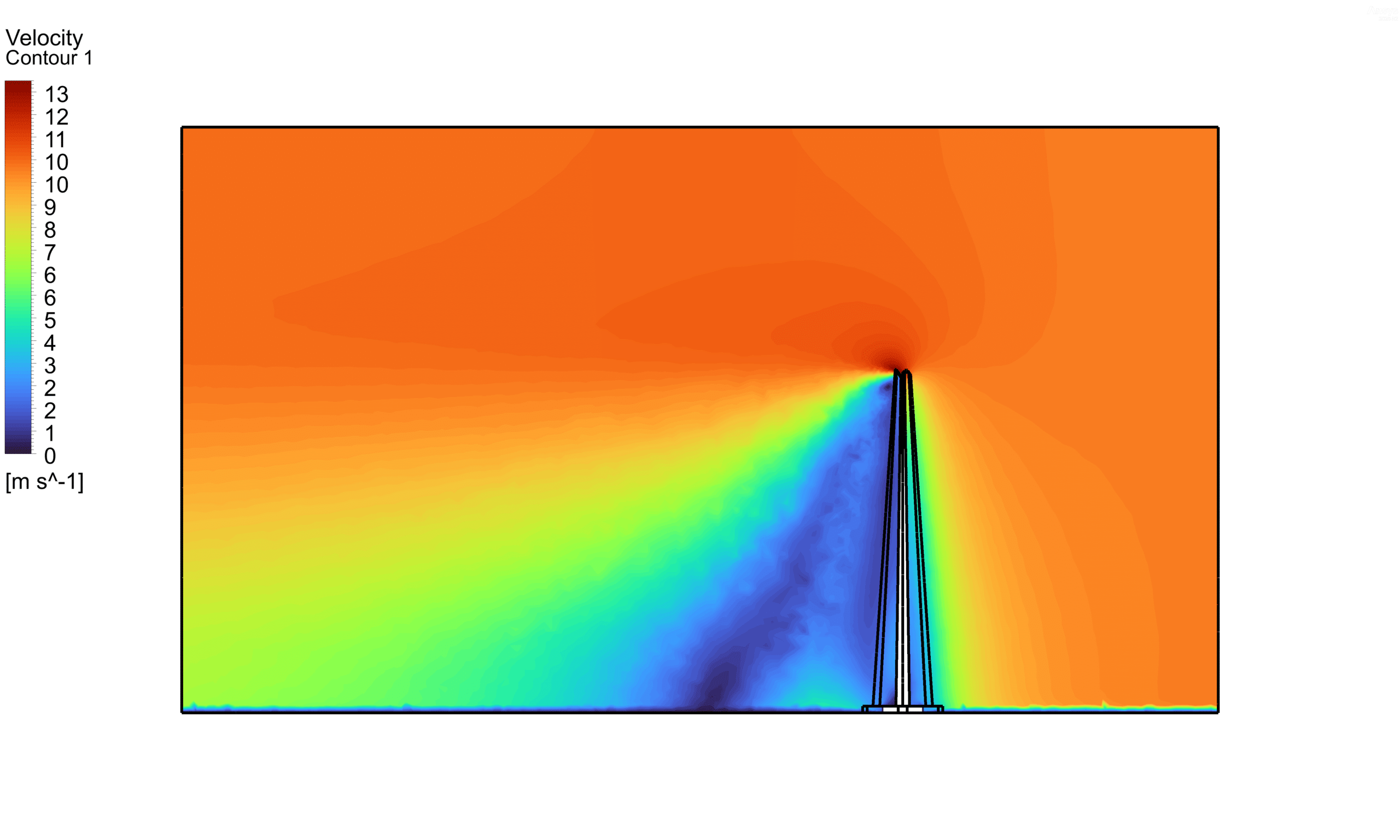
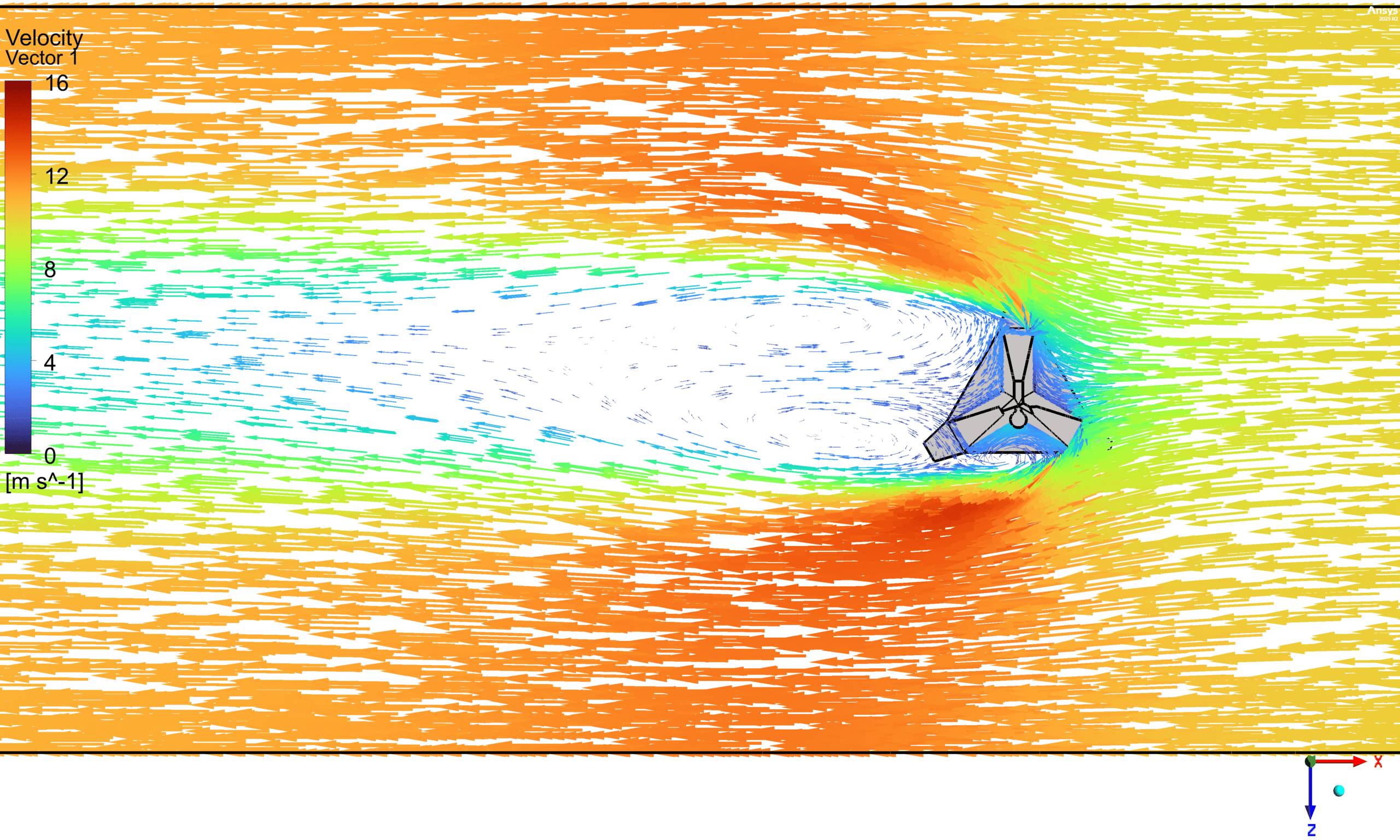
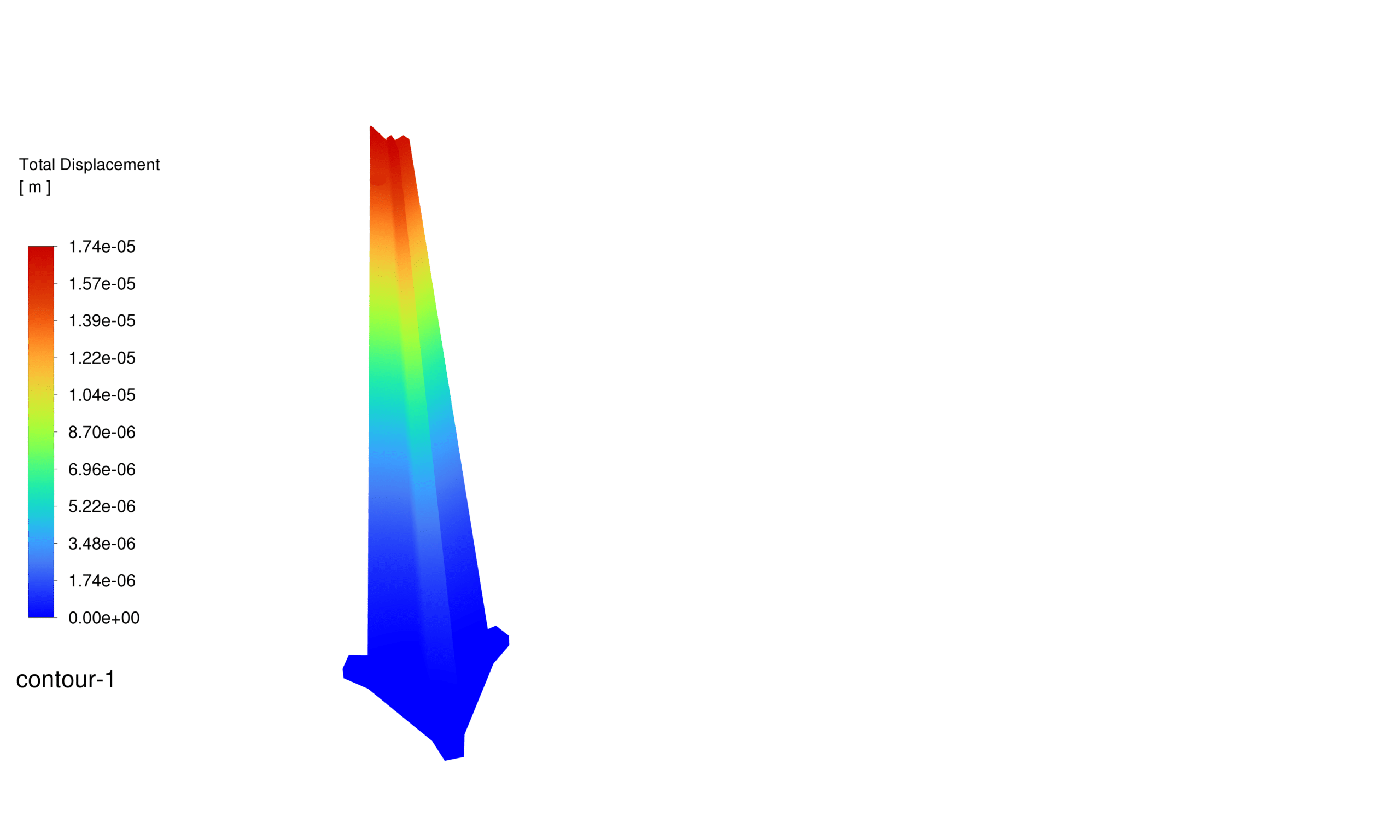
- The results show the flow field around the tower and the resulting structural displacement due to wind loading.
To Order Your Project or benefit from a CFD consultation, contact our experts via email (info@mr-cfd.com), online support tab, or WhatsApp at +44 7443 197273.
There are some Free Products to check our service quality.
If you want the training video in another language instead of English, ask it via info@mr-cfd.com after you buy the product.
Description
Tower Aerodynamic Behavior and Structural Displacement Analysis
Introduction
This project was carried out as a continuation of a previous CFD study on the aerodynamic behavior of airflow around Burj Jeddah. The earlier analysis focused on the external flow pattern, including velocity distribution, wake formation, and pressure variation around the tower, while the present work extends that study by examining the structural displacement caused by aerodynamic loading. This combined approach is relevant for tall Burj Jeddah because aerodynamic form strongly affects wind loads and the resulting structural response.
Geometry and Mesh
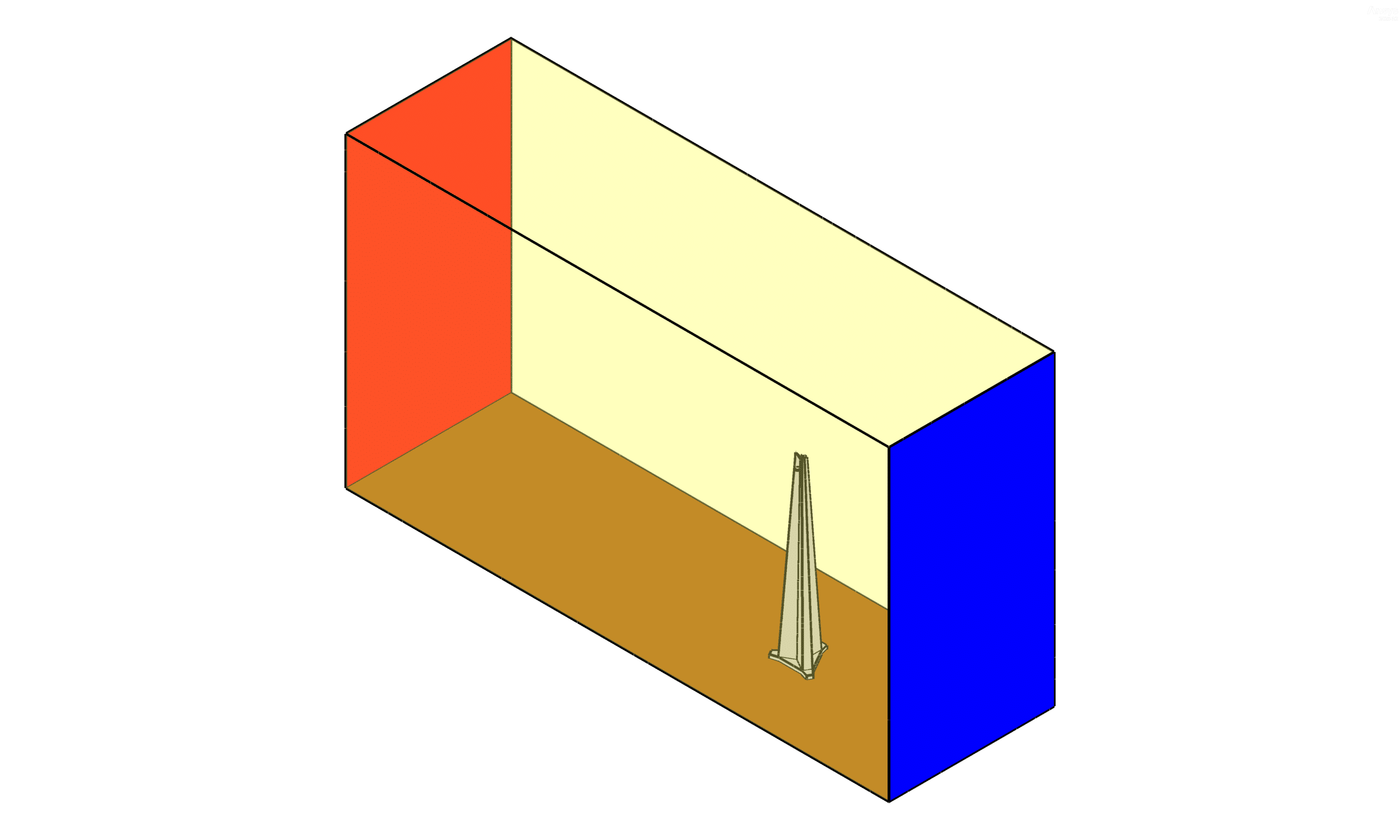
The geometry of the project was first created in ANSYS SpaceClaim and then imported into the ANSYS simulation environment for numerical analysis. In this project, a scaled model of the Burj Jeddah was simulated, and the modeled Burj Jeddah length was about 7 m. A three-dimensional computational domain was defined around the structure, and a tetrahedral mesh with approximately 2.5 million cells was generated to discretize both the tower and the surrounding flow region. The mesh was refined near the tower surfaces and in the wake region to better capture local gradients in velocity and pressure.
Simulation Setup
The analysis was carried out using a pressure-based steady-state solver in ANSYS. The standard – turbulence model was selected to represent the turbulent airflow around the tower, since it is suitable for external aerodynamic simulations with separated and recirculating flow regions. A velocity inlet of 10 m/s was imposed at the domain entrance, and the SIMPLE algorithm was used for pressure–velocity coupling to ensure stable convergence of the solution. This setup allowed the aerodynamic forces generated by the incoming flow to be transferred to the tower model for displacement evaluation.
Results
The results indicate that the Burj Jeddah experiences a very small but clearly nonuniform displacement under the applied flow conditions. The total displacement is highest near the upper portion of the Burj Jeddah, where the aerodynamic loading produces the greatest bending effect, while the base remains nearly fixed due to structural restraint. The contour plots also show that the flow accelerates around the Burj Jeddah and creates a wake region downstream, consistent with the velocity patterns observed in the previous aerodynamic study. Overall, the results confirm that the tower’s structural response is directly related to the wind-flow characteristics around it, demonstrating the importance of coupling aerodynamic analysis with displacement assessment in tall-building studies.
You must be logged in to post a review.

 Talk On WhatsApp
Reviews
There are no reviews yet.