
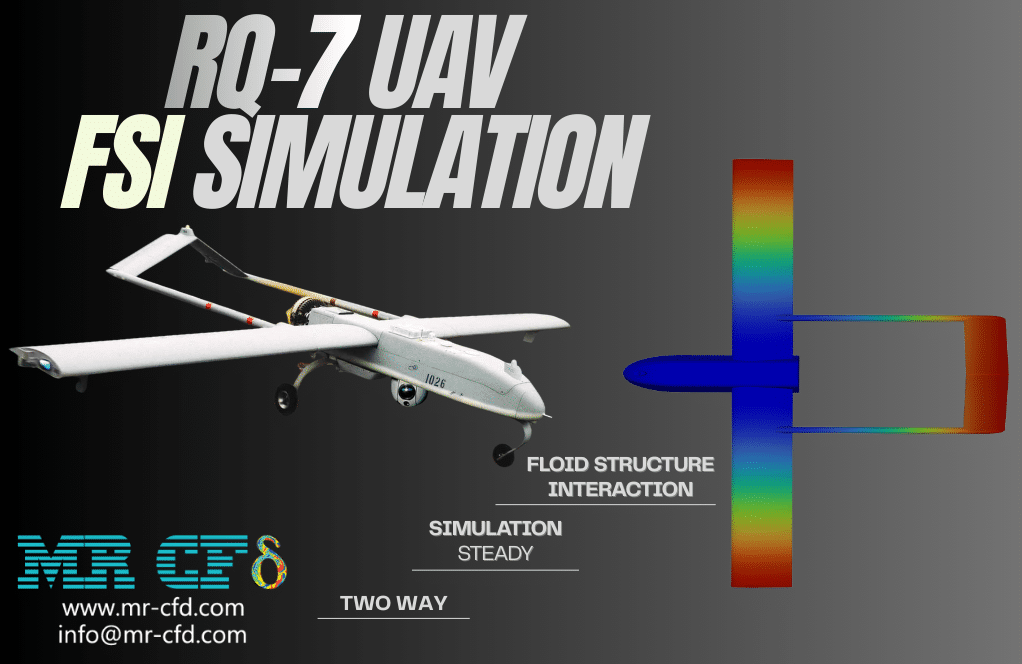
RQ-7 UAV: CFD Simulation Training Package
$3,999.00 Internship
- Aerodynamics comes first all other analyses depend on the accuracy of the baseline force data.
- Stability derivatives quantify how a UAV reacts to disturbances, giving control engineers the numbers they need to guarantee safe handling.
- Acoustic analysis reveals not just noise intensity but its propagation pattern, enabling targeted design changes for stealth and compliance.
- FSI uncovers structural weak points deformation, fatigue, and resonance that purely aerodynamic or purely structural models miss entirely.
To Order Your Project or benefit from a CFD consultation, contact our experts via email (info@mr-cfd.com), online support tab, or WhatsApp at +44 7443 197273.
There are some Free Products to check our service quality.
If you want the training video in another language instead of English, ask it via info@mr-cfd.com after you buy the product.
Description
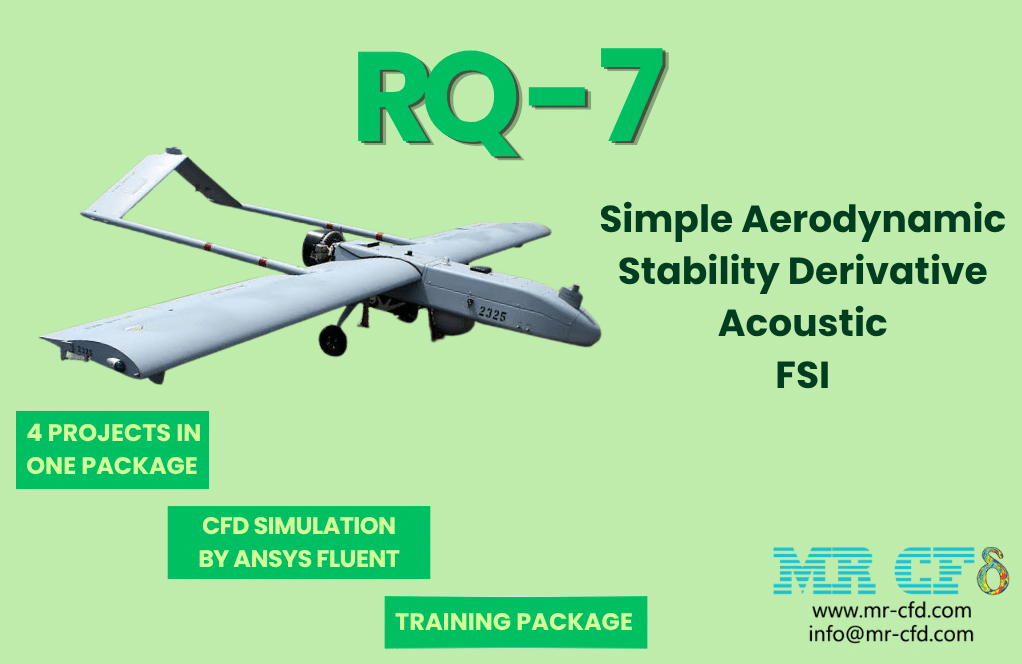
RQ-7 CFD Simulation: 4 Projects In One Package
From Force Prediction to Structural Response
The RQ-7 represents a class of tactical reconnaissance platforms where flight performance, survivability, and environmental compliance all hinge on getting the aerodynamics right at the simulation stage. This package delivers four self-contained ANSYS Fluent projects spanning the core disciplines every UAV analyst must command: external flow characterization, derivative-based stability assessment, propeller and airframe acoustics, and bidirectional fluid-structure coupling. Work through all four and you will own a verified, repeatable methodology aligned with current defense-industry practice.
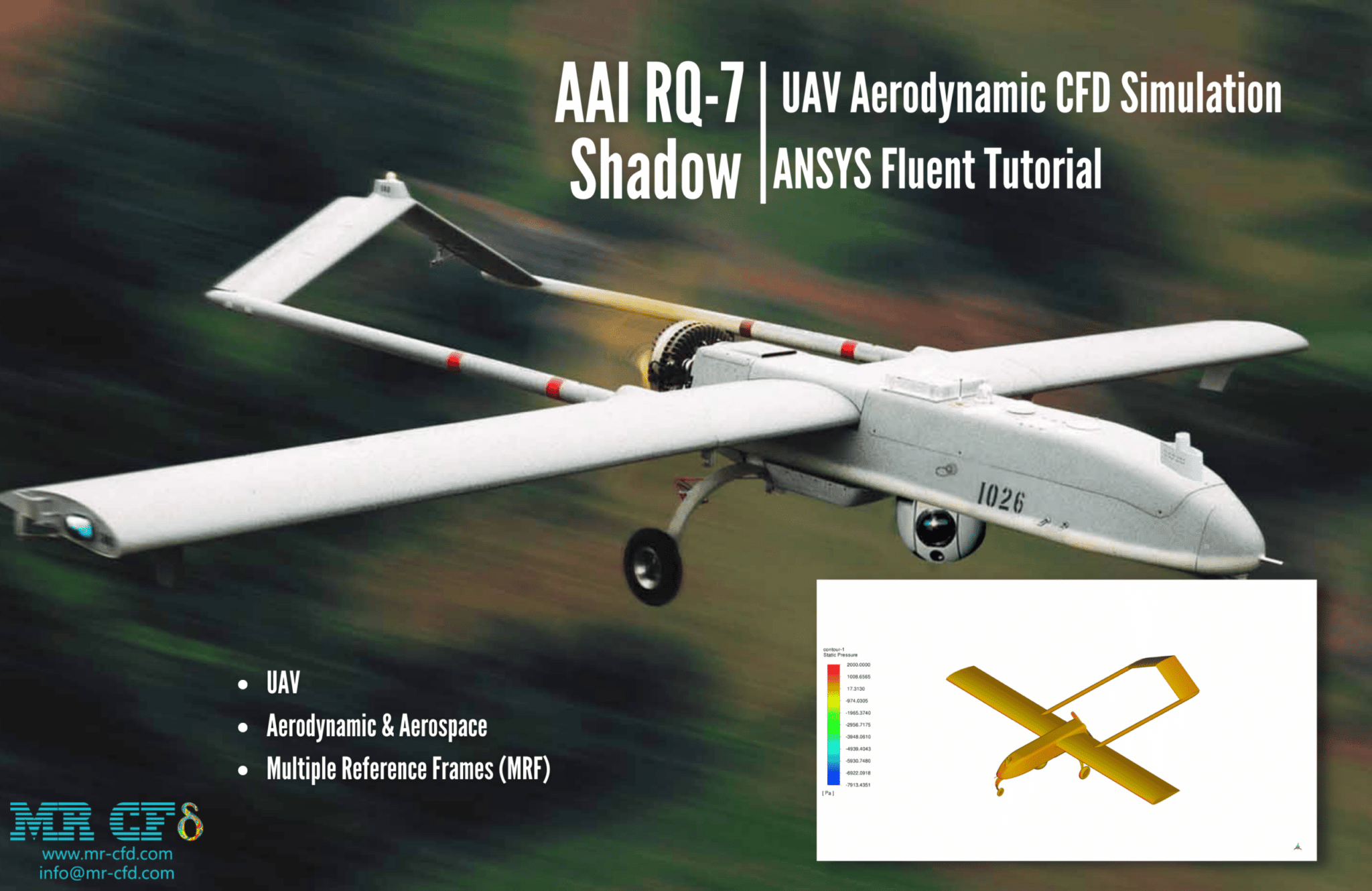
External Flow Characterization and Force Inventory RQ-7 Aerodynamic Analysis
Reliable aerodynamic numbers are the currency every other discipline spends. In this project you will prepare the full RQ-7 airframe for simulation, establish rotating zones around the propeller stage, and run a structured matrix of incidence and sideslip conditions to populate lift, drag, and moment curves. Boundary treatments uniform freestream, pressure-regulated exits, and viscous wall models are configured step by step so convergence is predictable and repeatable. The resulting aerodynamic ledger serves as the authoritative input for every subsequent stability, acoustic, and structural task in the package.
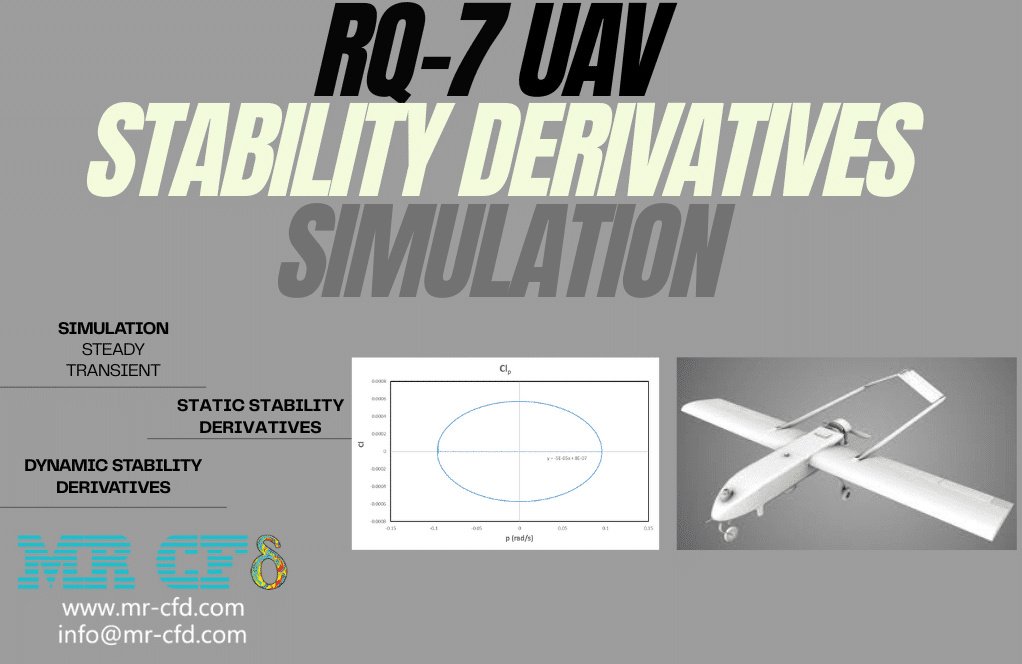
Derivative-Based Stability Assessment and Autopilot Data Generation RQ-7 Stability Derivatives
Sustained loiter and precision tracking demand an airframe that responds predictably to atmospheric disturbances and guidance corrections alike. This project walks you through a controlled perturbation strategy: you will apply measured offsets in pitch angle, roll angle, and yaw rate to the converged baseline, capture the incremental moment changes, and compile longitudinal and lateral-directional derivative tables. Mesh refinement targets vortex-rich wake regions and propeller-wash interaction zones to keep numerical noise well below the derivative magnitudes.
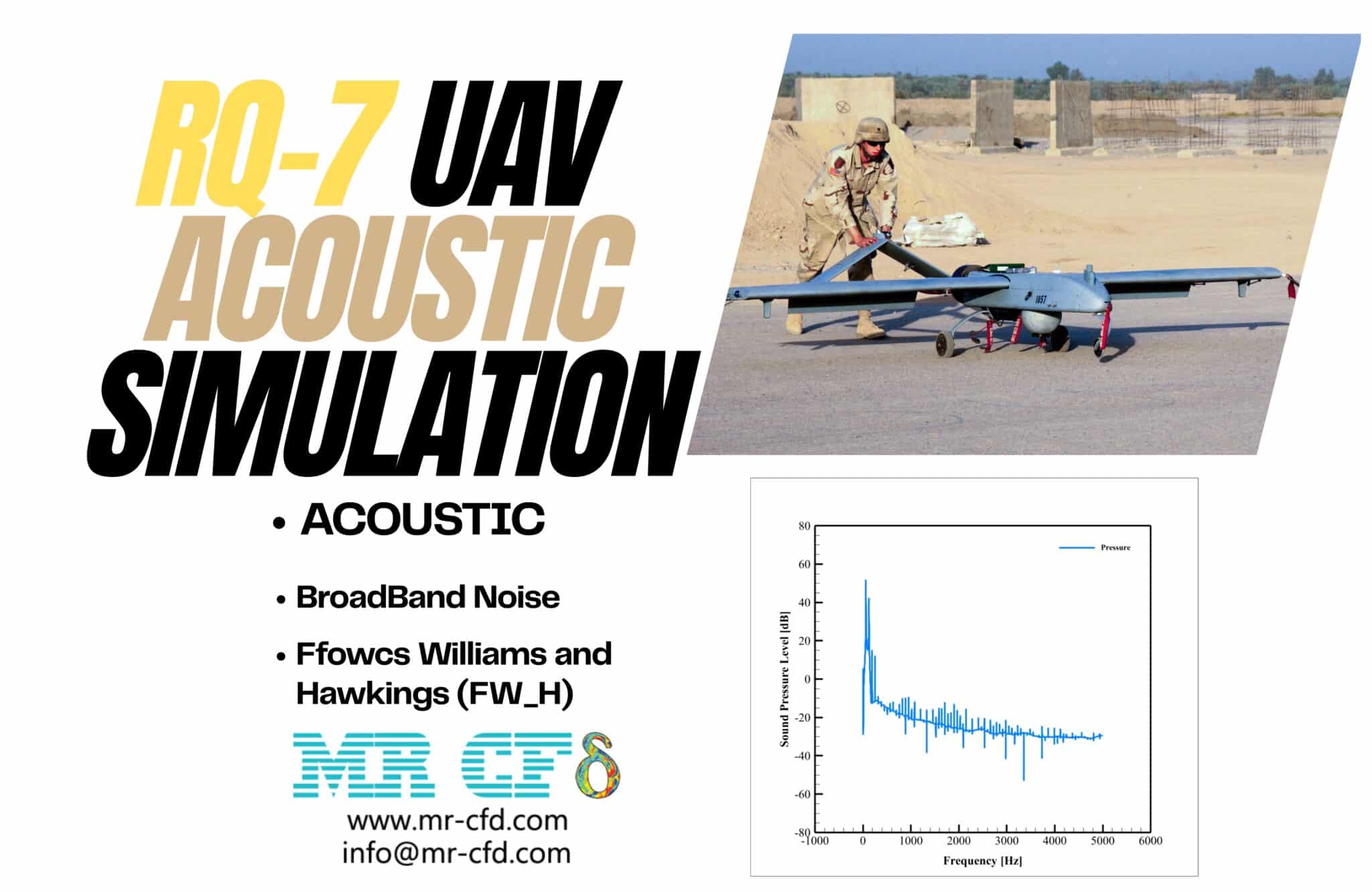
Propeller and Airframe Acoustics Analysis Under Operational Profiles RQ-7
Low observability over the target area and noise-compliant operations near forward bases are both shaped by the vehicle’s acoustic signature. This project takes you through ANSYS Fluent’s time-resolved acoustic workflow: you will capture fluctuating surface pressures on rotating and stationary components, propagate the resulting sound field to distant receiver arrays using integral analogy methods, and break the spectrum down by flight segment climb, cruise, and loiter. The deliverable is a directional noise atlas that lets you weigh design trade-offs such as blade count, tip Mach number, and throttle scheduling against detection risk and regulatory thresholds, all while preserving the aerodynamic performance benchmarked earlier.
Bidirectional Fluid-Structure Interaction and Deformation Analysis RQ-7
Thin composite wings and slender tail booms are efficient but inherently flexible and that flexibility reshapes the very pressure field that causes it. To capture this behavior accurately, the project implements a two-way fluid-structure interaction methodology in ANSYS Fluent: aerodynamic pressures deflect the structure, the revised shape re-enters the flow domain, and the loop repeats until equilibrium is reached. Key deliverables include spanwise bend-twist distributions at multiple airspeeds, a natural-frequency tracker that flags proximity to rotor harmonics, and a quantified measure of how elastic effects alter overall vehicle drag and trim. The entire investigation runs computationally, providing structural confidence months ahead of any flight-test schedule.
You must be logged in to post a review.
Related products
-
Sale

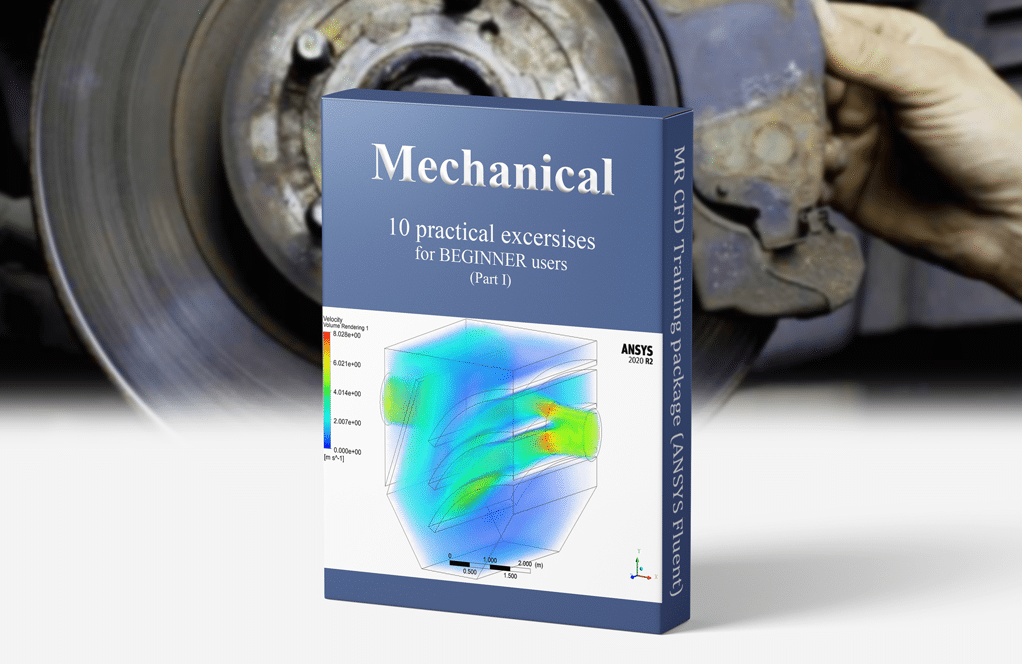
Mechanical Engineering Training Package for Beginners, Part 1, 10 Practical Exercises
Original price was: $720.00.$199.00Current price is: $199.00. Internship -
Sale
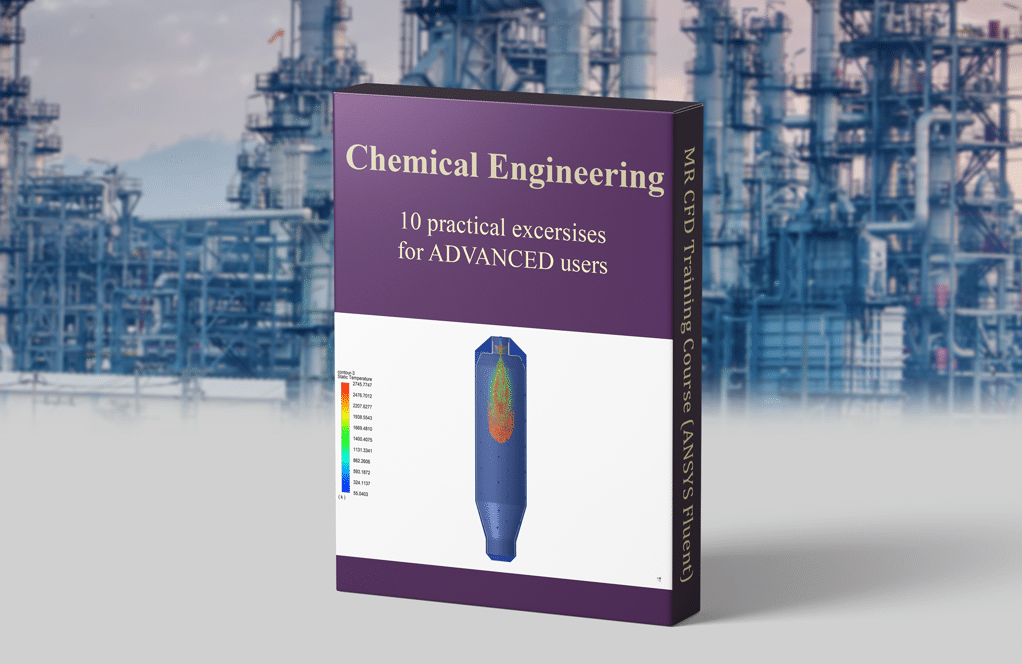
Chemical Engineering Training Package, Advanced Users, 10 Practical Exercises
Original price was: $1,660.00.$399.00Current price is: $399.00. Internship -
Sale
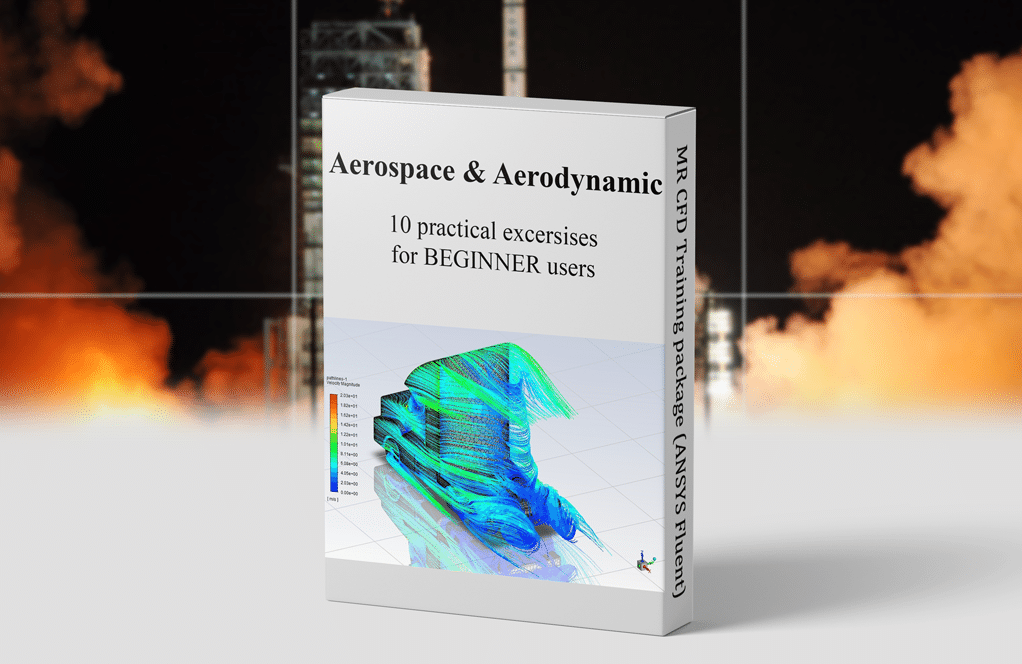
Aerodynamic and Aerospace Training Package for Beginners, 10 Learning Products
Original price was: $840.00.$299.00Current price is: $299.00. Internship
 Talk On WhatsApp
Reviews
There are no reviews yet.